Ultimate Guide to Phlebotomy Training with the NHS: Certification,Courses & career Benefits
If you’re considering a rewarding career in healthcare,becoming a phlebotomist with the NHS might be the perfect choice. Phlebotomy skills are increasingly in demand within hospitals, clinics, and community health settings. This thorough guide provides everything you need to know about phlebotomy training with the NHS — from certification pathways and course options to the career benefits and practical tips for success.
Understanding Phlebotomy and Its Role in Healthcare
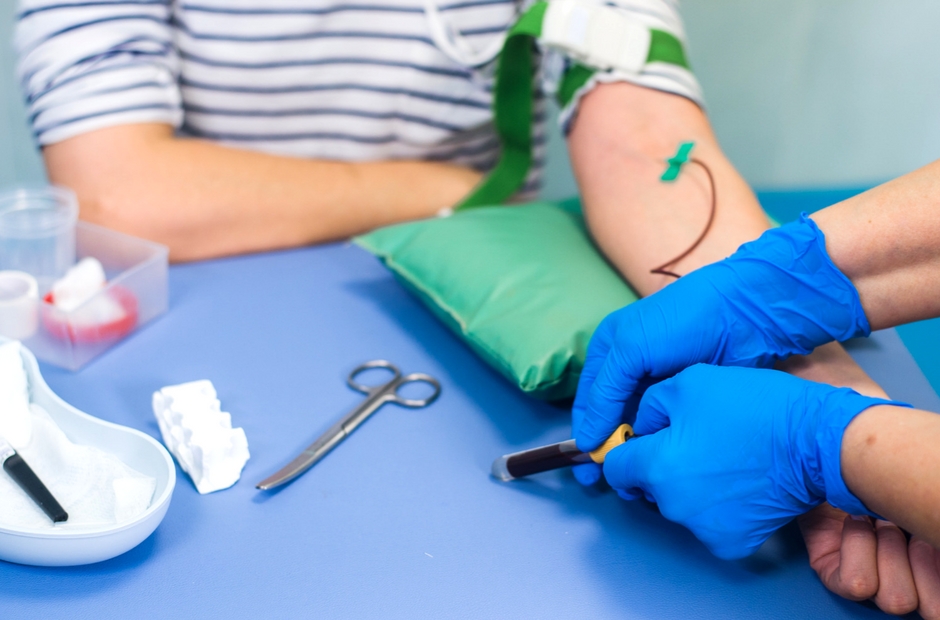
Phlebotomy involves drawing blood from patients for laboratory testing, transfusions, research, or donation purposes. It requires not only technical skills but also compassion, communication, and attention to safety protocols. As a vital part of patient diagnosis and management, phlebotomists play a crucial role in healthcare teams.
Why Choose NHS Phlebotomy Training?
- Reputable Certification: Training aligned with NHS standards enhances credibility.
- Quality Education: Access to comprehensive courses with experienced trainers.
- Career Progression: Opportunities to advance within the NHS and healthcare sector.
- Competitive Salary and Benefits: NHS employment offers excellent pay scales and benefits.
Phlebotomy Certification with the NHS: Key Pathways
Certification is essential for becoming a qualified phlebotomist in the NHS. The most recognized certification pathways include:
- NHS Trainee Phlebotomist Program – A structured training program designed for newcomers.
- City & Guilds/healthcare Specific Diplomas – Industry-recognized qualifications facilitated through NHS partnerships.
- NVQ in Healthcare (Phlebotomy specialization) – Practical assessments combined with classroom learning.
essential Prerequisites and eligibility
Before enrolling in NHS-based phlebotomy courses, candidates typically need:
- Minimum of 3 GCSEs including English and Mathematics
- Interest in healthcare careers
- Good communication skills and empathy
- Most programs are open to beginners; some require prior healthcare experience
NHS Phlebotomy Courses: What to Expect
the NHS offers a variety of phlebotomy training courses designed to suit different learning needs:
Online and Classroom-Based Courses
Most NHS courses combine theoretical learning with practical skills development, including:
- Understanding anatomy and physiology related to blood collection
- Safe venipuncture techniques
- Infection control and safety protocols
- Patient handling and communication skills
- Documentation and data management
Practical Training & Placement
Hands-on experience is crucial. NHS programs typically include clinical placements in hospital or community settings where you perform supervised blood draws, gaining confidence and competence.
Certification Process and Accreditation
after completing your NHS phlebotomy course, you must pass assessments, which may include written tests, practical evaluations, and portfolio reviews.Triumphant candidates receive official certification recognized across the UK healthcare sector, paving the way for employment as a qualified NHS phlebotomist.
Career Benefits of Becoming an NHS Phlebotomist
| Benefit | Details |
|---|---|
| Job Security | NHS roles provide long-term employment stability and pension schemes. |
| Competitive Salary | Starting salaries typically range from £20,000 to £24,000, with potential for increases. |
| Opportunities for Advancement | Progress to senior phlebotomist, team leader, or specialist roles. |
| Continuous Professional Development | Access to workshops,courses,and conferences within the NHS framework. |
| fulfilling career | Making a tangible difference in patient care and health outcomes. |
Practical Tips for Success in NHS Phlebotomy Training
- Embrace Hands-On Practice: The more you practice, the more confident you will become.
- Learn from Experienced Professionals: Seek mentorship and feedback from senior staff.
- Stay Updated on Protocols: NHS procedures and guidelines evolve; regular review is essential.
- Develop Soft Skills: Empathy, patience, and effective communication improve patient experience.
- Maintain a Professional Attitude: Punctuality, attention to detail, and ethical conduct are vital.
Case Studies: Real-Life Success stories
EmmaS Journey to NHS Phlebotomist
Starting with no healthcare experience, Emma enrolled in an NHS-funded phlebotomy course. After certification and a supervised placement, she secured a full-time NHS position. Emma praises the practical training and supportive habitat that helped her transition into her new career.
James’s Career Progression
James initially trained as a phlebotomist with NHS funding. Over time, he specialized in pediatric phlebotomy and advanced into team leadership, thanks to continued professional development opportunities.
First-Hand Experience: What to Expect During Your NHS Phlebotomy Training
trainees should prepare for a blend of classroom learning and real-world practice. Expect to:
- Learn proper blood collection techniques
- Engage in simulations and role-playing
- Attend supervised clinical placements
- Complete assessments and receive constructive feedback
This immersive approach ensures you develop the necessary skills to succeed as an NHS phlebotomist.
Conclusion
Embarking on a career in phlebotomy with the NHS offers stability, personal fulfillment, and exciting progression opportunities. by obtaining recognized certification through NHS courses, gaining practical experience, and honing your soft skills, you can become an essential member of the healthcare team. Whether you’re just starting or looking to advance, the NHS provides excellent training pathways to support your aspirations in the healthcare sector.
Take the first step today—explore NHS phlebotomy training programs and unlock a rewarding future in healthcare!