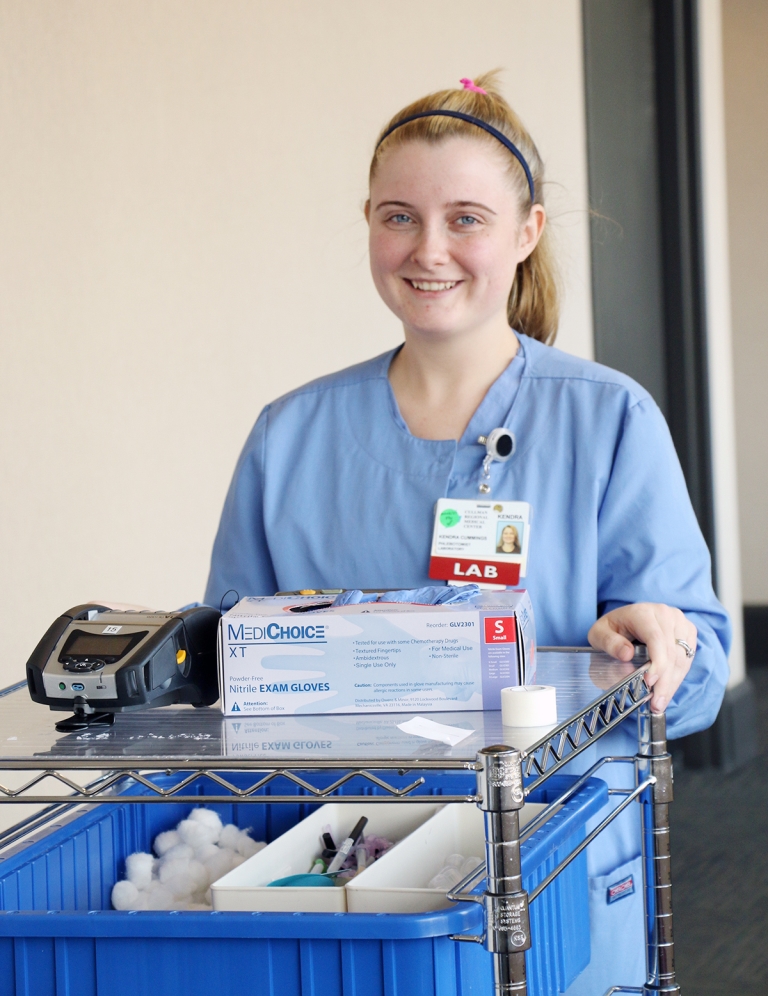
Unlock Your Future: How to Build a Rewarding Career in Phlebotomy
are you interested in a healthcare career that combines patient interaction, technical skills, and promising job stability? Phlebotomy offers an excellent pathway for those seeking a rewarding profession in the medical field. In this thorough guide, we’ll explore how to start, grow, and succeed in a career in phlebotomy, unlocking your future in healthcare.Whether you’re a recent graduate or considering a career switch, this article provides valuable insights, practical tips, and inspiring success stories to help you build a thriving phlebotomy career.
What Is Phlebotomy and Why Choose It?
Phlebotomy is the medical practice of drawing blood from patients for laboratory testing, blood donations, or medical screenings.It’s a critical skill in healthcare, directly contributing to diagnostics, treatment, and research. choosing a career in phlebotomy offers numerous benefits:
- High demand for qualified professionals
- Flexible work environments — hospitals, clinics, blood banks, and mobile services
- Rapid entry path — frequently enough requiring only a certification course
- Potential for career advancement — from entry-level technician to specialized roles or healthcare careers
- Meaningful work — helping people and contributing to health advancements
How to Start a Career in Phlebotomy
1. Understand the Requirements
Before embarking on your journey, know the basic prerequisites to become a certified phlebotomist:
- Must be at least 18 years old (varies by state)
- High school diploma or equivalent
- Basic understanding of anatomy and medical terminology
- Strong communication and interpersonal skills
- Ability to handle blood and blood-borne pathogens safely
2. Complete a Certified Phlebotomy Training Program
The next step is enrolling in an accredited phlebotomy training course. These programs typically cover:
- Venipuncture techniques
- Blood collection safety protocols
- Patient interaction skills
- Handling and processing specimens
Training programs vary in length—from a few weeks to several months—and often culminate in a certification exam.
3. Obtain Certification and licensure
Certification is highly valued and often required by employers. The most recognized certifying agencies include:
- American Society for Clinical Pathology (ASCP)
- National Phlebotomy Association (NPA)
- American Society of phlebotomy Technicians (ASPT)
Requirements for certification typically include completing a training program and passing an exam. Some states also require licensure; check your state’s health department guidelines.
Practical Tips for a Accomplished Phlebotomy Career
- Develop excellent patient communication skills: kindness and reassurance calm anxious patients.
- Maintain strict safety and hygiene protocols: prevent infections and ensure accurate results.
- Gain hands-on experience: internships or volunteering can substantially boost your skills.
- Stay current with industry certifications: pursue ongoing education and specialization.
- Build professional relationships: networking can open doors to job opportunities and career growth.
Benefits of a Career in Phlebotomy
| Benefit | Details |
|---|---|
| High Job Security | Constant demand for blood collection technicians across healthcare facilities. |
| Competitive Salary | Average salaries range from $30,000 to $45,000 annually, with room for growth. |
| Flexible Hours | Many positions offer full-time, part-time, or flexible scheduling options. |
| Career Advancement | Opportunities to specialize or move into supervisory roles and healthcare careers. |
Case Studies: Success Stories in Phlebotomy
John’s Journey from Entry-Level technician to Blood Bank Supervisor
John started as a certified phlebotomist after completing a 4-week training program.With dedication, he gained experience working evening shifts, improving his technical skills, and networking. After three years, he specialized in blood banking, earning additional certifications. Today, John manages a team of technicians and trains new staff, illustrating how a focus on skills and certification can unlock career growth.
Emily’s Transition to Mobile Phlebotomy
Emily preferred a flexible work schedule and patient interaction outside conventional settings. She pursued specialized training for mobile phlebotomy and now works independently, providing blood collection services at patients’ homes. Her career demonstrates the diverse opportunities within the field of phlebotomy and how targeted skills can lead to niche roles.
First-Hand Experience: What to Expect on the Job
Starting your career in phlebotomy requires patience and a commitment to patient care. Initially, you may face the challenge of working with anxious or difficult patients. Proper technique,calm communication,and adherence to safety protocols are essential. Over time, confidence and competence grow, making the job more rewarding and less stressful.
Conclusion: Your Path to a Rewarding Future in Phlebotomy
Building a successful career in phlebotomy is an achievable and rewarding goal. By obtaining the right training, certifications, and ongoing education, you can unlock numerous opportunities in healthcare. The demand for qualified phlebotomists continues to grow, ensuring job stability and career advancement. embrace the journey,develop your skills,and open the door to a future where you make a real difference in people’s lives. Start today and turn your passion into a meaningful profession in phlebotomy!
Get Started with Phlebotomy Training Today