What Is a Phlebotomist? A Complete Guide too the Medical Blood Collection Expert
If you’re exploring healthcare careers or seeking medical testing services, you’ve likely come across the term phlebotomist. But what exactly does a phlebotomist do? What skills are required? Adn why are they such essential members of the healthcare team? In this comprehensive guide, we’ll delve into the role of a phlebotomist, covering everything you need to know—from their responsibilities and training to benefits and practical tips.Weather you’re considering a career in phlebotomy or want to understand more about medical blood collection, this article has you covered.
What Is a Phlebotomist?
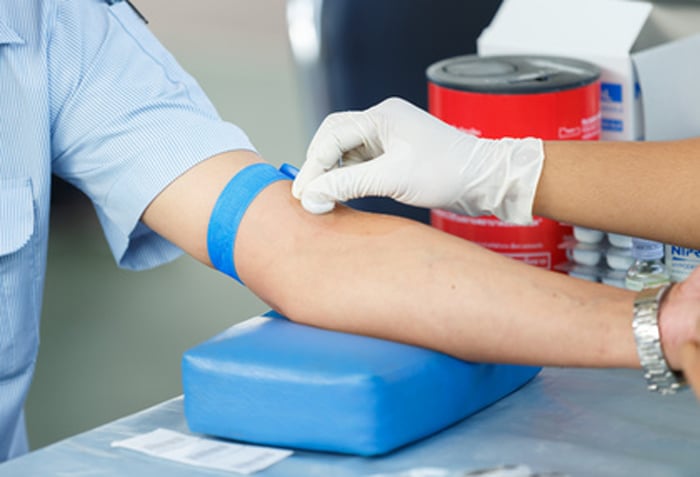
A phlebotomist is a trained healthcare professional specialized in drawing blood from patients or donors. Their primary task is to collect blood samples accurately and safely for laboratory testing, blood donations, or other medical purposes. they are often found working in hospitals, clinics, blood banks, or diagnostic laboratories.
In essence, a phlebotomist acts as a vital link between patients and laboratory testing, ensuring that blood collection is performed with precision, care, and attention to patient comfort. Their expertise considerably impacts the accuracy of diagnostic tests and overall patient health outcomes.
Core Responsibilities of a Phlebotomist
Primary Tasks
- Gathering patient details and verifying identity
- Selecting the appropriate blood collection method and equipment
- Labeling and handling blood samples correctly
- Ensuring the safety and comfort of patients throughout the procedure
- Maintaining accurate records of collected samples
- Transporting samples to laboratories for analysis
- Adhering to strict safety and hygiene protocols
Additional Duties
- Assisting with patient preparation and post-collection care
- Educating patients on blood collection procedures
- Managing supplies and equipment inventory
- Following healthcare regulations and ethical standards
Skills and Qualities of a Successful Phlebotomist
Being a phlebotomist requires a unique combination of technical skills and personal qualities. Here are some of the most important attributes:
- Professionalism: Respectful and empathetic toward patients
- Attention to detail: Accurate blood sample collection and documentation
- Manual dexterity: steady hands for precise blood draws
- Communication skills: Clear in explaining procedures to patients
- Problem-solving abilities: Handling challenging cases or difficult veins
- Physical stamina: ability to stand for long periods during blood collection
- Stress management: Maintaining composure in high-pressure situations
Training and Certification for Phlebotomists
Educational Requirements
Most phlebotomists have a high school diploma or equivalent.Though, specialized training is essential to develop the necessary technical skills and knowledge.
phlebotomy Training Programs
Various educational institutions, vocational schools, and community colleges offer phlebotomy certification courses. These programs typically include:
- Classroom instruction on anatomy, blood collection techniques, and safety protocols
- Hands-on practice with simulated blood draws
- Supervised clinical experience in medical settings
Certification and Licensing
Certification is highly recommended and often required by employers. The most recognized credential is offered by organizations such as the National Phlebotomy Association (NPA) or the American Society for Clinical Pathology (ASCP).
| Certification Body | Eligibility Criteria | Exam Focus |
|---|---|---|
| National Phlebotomy Association (NPA) | Completion of approved training & documented hands-on experience | Blood collection techniques, safety, and patient care |
| American Society for Clinical Pathology (ASCP) | Training plus clinical experience | Technical skills, safety, and professional ethics |
Benefits of becoming a Phlebotomist
Choosing a career as a phlebotomist offers several advantages:
- High-demand profession with job stability
- Relatively short training programs with speedy entry routes
- Chance to make a meaningful difference in patient health
- Potential for career advancement into healthcare support roles
- Competitive salary in the allied health sector
Practical Tips for Aspiring Phlebotomists
- seek accredited training programs with hands-on practice
- Develop excellent interpersonal skills to ease patient anxiety
- Stay up-to-date with the latest safety protocols and industry standards
- Practice different blood draw techniques to handle diverse patient needs
- Build a professional network with healthcare providers
Case Study: The Impact of a Skilled Phlebotomist
In a busy hospital setting, a proficient phlebotomist was able to reduce needle-stick incidents by correctly identifying challenging veins and calming nervous patients. Their attention to detail ensured that blood samples were accurate, resulting in faster diagnostics and improved patient outcomes.This case highlights how expertise in phlebotomy directly contributes to healthcare efficiency and quality of care.
first-hand Experience: What It’s Like to Be a Phlebotomist
Many phlebotomists find their work rewarding as they get to interact with diverse populations and play a crucial role in diagnostics. Despite occasionally facing difficult or anxious patients, successful phlebotomists maintain patience, professionalism, and a compassionate approach. Training provides the skills, but the real-world experience builds confidence and mastery in collection techniques.
Conclusion
a phlebotomist is a vital healthcare professional dedicated to the safe and effective collection of blood samples. Their expertise ensures accurate diagnostics, patient comfort, and seamless healthcare operations. Whether you’re considering a career in this field or seeking to understand the vital role of blood collection experts, recognizing the skills, training, and responsibilities involved underscores their importance in modern medicine. aspiring phlebotomists who prioritize professionalism, continuous learning, and compassionate care will find a rewarding and in-demand career supporting health and well-being.