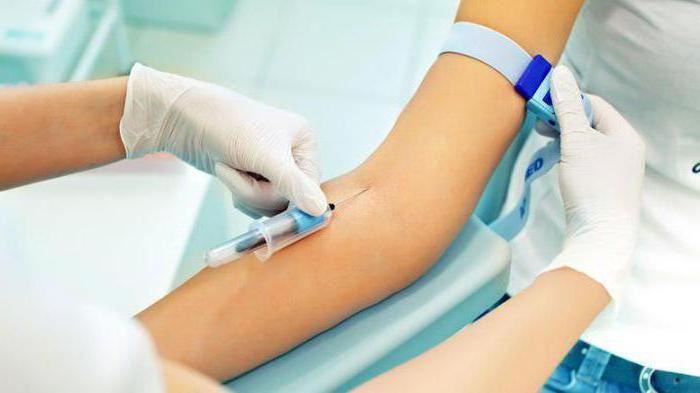
Phlebotomy Uncovered: Everything You Need to Know About Blood Collection and Careers
every medical professional encounters the term “phlebotomy” at some stage in their education or career. But what exactly is phlebotomy, and why is it crucial in the healthcare industry? In this article, we will uncover the essentials of phlebotomy, including its techniques, career prospects, and practical tips for aspiring phlebotomists. Join us as we dive deep into this vital field that directly impacts patient care and diagnosis!
What Is Phlebotomy?
phlebotomy refers to the procedure of drawing blood from a patient for various purposes, including:
- Laboratory testing
- Blood transfusions
- Research purposes
- Donation drives
Phlebotomists are the healthcare experts trained specifically to perform venipunctures and othre blood-collection techniques. Their work is not only essential for diagnostics and patient monitoring but also plays a critical role in saving lives.
The Importance of Phlebotomy in Healthcare
Blood is often called the “river of life,” and for a good reason. It contains vital facts about a patient’s health. Here’s why phlebotomy is so significant:
- Diagnosis: Blood tests can help diagnose a wide array of conditions, from infections to chronic diseases.
- Monitoring: Phlebotomy allows for regular monitoring of patients with ongoing health issues.
- Research: Blood samples are crucial for medical research and new treatment developments.
types of Phlebotomy Techniques
Phlebotomy encompasses various techniques that experienced professionals must master. Here are some common methods:
| Technique | Description |
|---|---|
| Venipuncture | Drawing blood from a vein, typically in the arm. |
| Capillary Blood Collection | Puncturing the skin’s surface for smaller blood samples, usually from fingers or heels. |
| Arterial Blood Collection | Collecting blood from arteries, mainly for gas analysis. |
Becoming a Phlebotomist
Interested in pursuing a career in phlebotomy? Here’s a step-by-step guide:
- Obtain a High School Diploma: A basic requirement to enter phlebotomy training programs.
- Enroll in a Phlebotomy Training Program: Look for accredited programs that cover blood collection techniques, patient interaction, and safety procedures.
- Gain Certification: While not always mandatory, obtaining certification thru a recognized body, like the National phlebotomy Association (NPA) or American Society for Clinical Pathology (ASCP), enhances job prospects.
- Complete Clinical Training: Hands-on training under the supervision of a qualified professional is essential.
- Seek Employment: Opportunities are available in hospitals, clinics, laboratories, and blood donation centers.
Advantages of a Career in Phlebotomy
A phlebotomy career offers numerous benefits:
- Job Demand: The healthcare industry consistently needs skilled phlebotomists, ensuring job security.
- Flexible Hours: Many phlebotomists work part-time or have flexible schedules, ideal for balancing other commitments.
- Quick Training: Compared to many healthcare fields, the training for phlebotomy is relatively short.
- Patient Interaction: Phlebotomists work closely with patients, fostering relationships and a positive work environment.
Challenges in Phlebotomy
While a career in phlebotomy can be rewarding, it’s not without challenges:
- Potential for difficult veins or adverse reactions in patients.
- Handling anxiety from patients who fear needles.
- maintaining precision and safety under pressure.
Practical Tips for Aspiring Phlebotomists
here are some practical tips for those considering a career in phlebotomy:
- Practice makes perfect—get as much hands-on training as you can.
- Develop strong communication skills to reassure and calm patients.
- Maintain a professional demeanor,even in stressful situations.
- Keep abreast of the latest advancements in blood collection techniques.
Personal Experience: A Day as a Phlebotomist
To provide you with real insight, here’s a brief glimpse into a typical day as a phlebotomist:
- Starting the day by reviewing patient appointments and notes.
- Preparing equipment and ensuring compliance with safety protocols.
- Drawing blood samples while ensuring patient comfort.
- Labeling samples accurately for lab processing.
- Interacting with healthcare professionals to discuss results and protocols.
Conclusion
Phlebotomy plays a crucial role in the healthcare system, offering vital information that aids diagnosis and treatment. As a phlebotomist, you will be a key player in the medical field, providing essential support and comfort to patients.if you’re passionate about healthcare and patient interaction, a career in phlebotomy may be the ideal path for you. With the right training and skills, you can make an impactful difference—one blood draw at a time!