Unlock Your Career: A Complete Guide to obtaining Your Phlebotomy State License
are you ready to take your career in healthcare to the next level? Phlebotomy, the practice of drawing blood for medical testing, is a rewarding field that offers numerous opportunities. Though,to work as a phlebotomist,obtaining your phlebotomy state license is essential. This comprehensive guide will walk you through the steps needed to accomplish just that!
What is Phlebotomy?
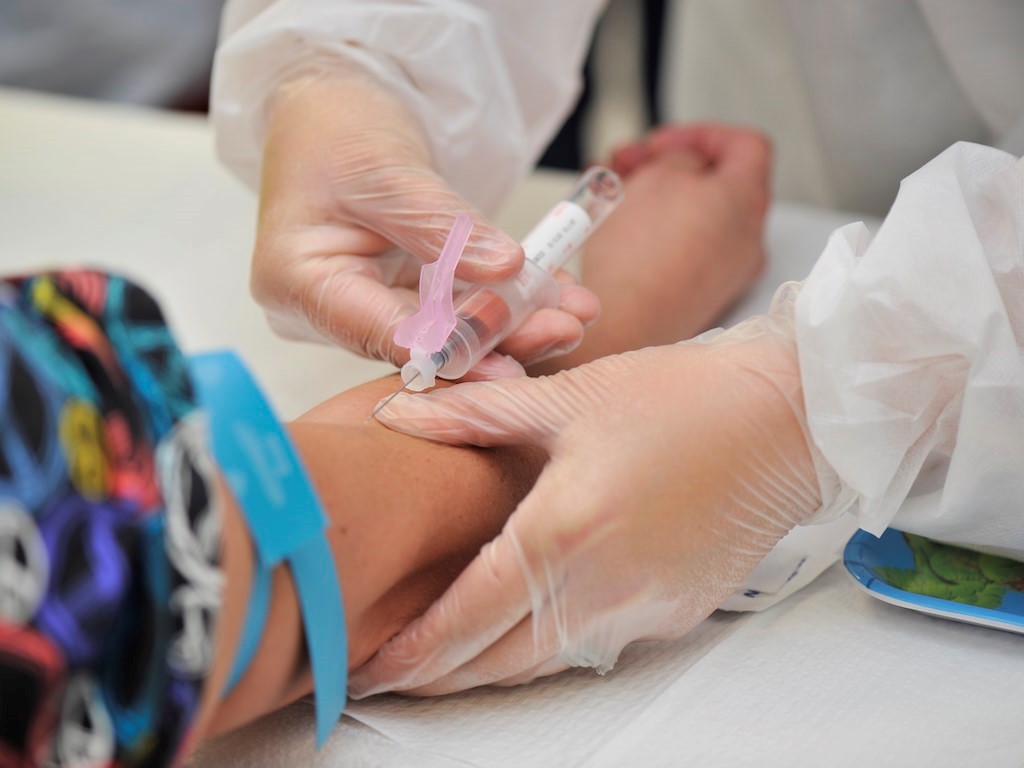
Phlebotomy is a crucial part of the healthcare system, involving the collection of blood specimens from patients. Phlebotomists work in various settings, including hospitals, diagnostic laboratories, and blood donation centers. Their primary responsibilities are:
- Collecting blood samples safely and efficiently.
- Preparing samples for laboratory analysis.
- Maintaining a clean and sterile environment.
- Ensuring patient comfort and safety during the procedure.
Why You Need a Phlebotomy State License
obtaining a phlebotomy state license is important for several reasons:
- Legal Compliance: Many states require a license to practice phlebotomy legally.
- Employability: A license enhances your resume, making you more attractive to potential employers.
- Professional Credibility: A valid license demonstrates your commitment to the profession and adherence to industry standards.
The steps to Obtaining Your Phlebotomy State license
Follow these steps to unlock your career in phlebotomy:
1.Meet the Educational Requirements
Before applying for a state license, you must complete a phlebotomy training program. These programs can be found at trade schools, community colleges, and online institutions. Here’s what to look for:
- Programs should be accredited and recognized.
- Courses typically cover anatomy, blood collection techniques, safety protocols, and patient interaction.
- Look for programs that offer hands-on clinical experience.
2. Complete a Certification Exam
While not all states require certification, obtaining certification can greatly enhance your credentials. Organizations like the National Phlebotomy Association (NPA) and the American Society for Clinical Pathology (ASCP) offer exams.Here’s how to prepare:
- Review study materials and take practice tests.
- Attend review sessions if available.
3. Apply for Your State License
Each state has its own licensing process. Typically, this involves:
- Submitting an application to the appropriate state board.
- providing proof of education and any certifications you hold.
- Paying the required fees.
Check your state’s specific requirements to ensure compliance.
4. Undergo a background Check
Many states require phlebotomists to undergo a background check. This may include:
- Submitting fingerprints to the state police or FBI.
- Checking for any criminal history that could affect your ability to perform your duties.
5. Maintain Your License
Once obtained, your phlebotomy state license may require renewal every few years. Stay updated on:
- Continuing education requirements.
- Changes in state regulations regarding phlebotomy practices.
Benefits of Being a Licensed Phlebotomist
Becoming a licensed phlebotomist comes with several advantages:
- Job Security: There is a consistent demand for skilled phlebotomists in various healthcare settings.
- Career Advancement: With experience, you can move into supervisory roles or specialize in areas like pediatric phlebotomy.
- Flexible Hours: Many phlebotomy jobs offer flexible schedules, making it easier to balance work and personal life.
Practical Tips for Aspiring Phlebotomists
Here are some practical tips to help you in your journey:
- Network: Connect with professionals in the field to gain insights and job leads.
- Stay Informed: Continuously educate yourself on new techniques and technologies in phlebotomy.
- Practice: Gain as much hands-on experience as possible during your training program.
Case Study: Success in Phlebotomy
Consider the story of Jane Smith,who started her career as a certified nursing assistant. After completing her phlebotomy licensure, she transitioned into a full-time position at a local hospital. Within two years, she was promoted to a lead phlebotomist due to her dedication and commitment to continuous education.
Real-Life Experiences: Phlebotomy journey
Many licensed phlebotomists share similar sentiments about their career.Here’s a firsthand experience:
“I found phlebotomy both challenging and rewarding. The quick interactions with patients and the vital role I play in their healthcare really motivate me daily. My license allowed me to work in diverse settings, and I’ve never looked back!” – Alex, licensed Phlebotomist
conclusion
Obtaining your phlebotomy state license is an essential step toward building a accomplished career in the healthcare field. By following the steps outlined in this guide, you’ll be well on your way to becoming a skilled, licensed phlebotomist. Embrace the journey, invest in your education, and prepare to unlock a wide array of career opportunities.
Frequently Asked Questions (FAQ)
| Question | Answer |
|---|---|
| What is the average salary of a phlebotomist? | As of 2023, the average salary for a phlebotomist in the U.S. is approximately $36,000 annually. |
| Do I need a degree to become a phlebotomist? | No, a high school diploma and a phlebotomy training program are typically sufficient. |
| Is hands-on experience required? | Yes, most states require practical experience as part of the certification process. |