What Is a Phlebotomist? A Complete Guide to the Medical Blood Draw Specialist
If you’ve ever undergone a blood test or visited a healthcare facility for diagnostic testing, you’ve likely encountered a phlebotomist. These skilled healthcare professionals play a crucial role in the medical field by safely and efficiently collecting blood samples for laboratory analysis. But what exactly is a phlebotomist, what does their job entail, and what skills are necessary to excel in this profession? In this thorough guide, we’ll explore everything you need to know about this vital medical blood draw specialist.
understanding the Role of a Phlebotomist
what does a Phlebotomist Do?
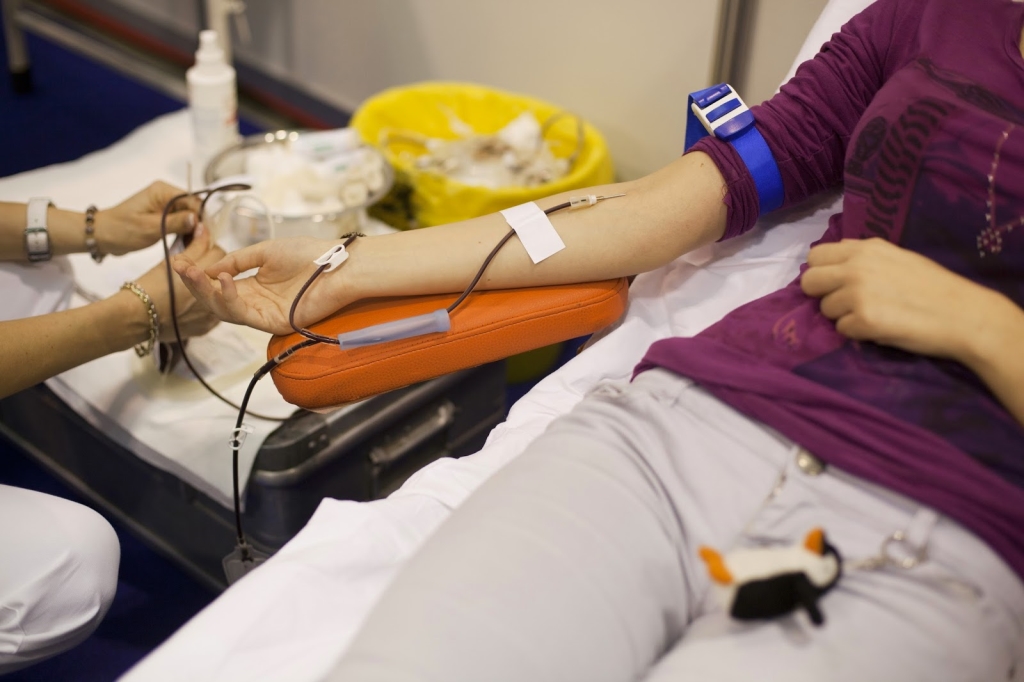
A phlebotomist is a healthcare professional trained to collect blood samples from patients for laboratory testing, transfusions, or donations. Their primary obligation is to perform venipuncture or capillary blood collection with precision and care, ensuring patient safety and comfort.
Key Responsibilities of a Phlebotomist
- Preparing patients for blood draws by explaining procedures and calming nerves.
- Identifying patients correctly to prevent errors.
- Collecting blood samples using needles and collection tubes.
- Labeling specimens accurately to maintain proper identification.
- Handling and processing blood samples for laboratory analysis.
- Maintaining cleanliness and sterilization of equipment.
- Recording patient data and procedure details.
- Providing excellent customer service to patients and healthcare staff.
The path to Becoming a Phlebotomist
Educational Requirements
Most phlebotomists need a high school diploma or equivalent to start their training. Post-secondary education options include certificate programs,diplomas,or associate degrees in phlebotomy or laboratory sciences.
Training and Certification
Proper training involves classroom instruction combined with hands-on practice in blood collection techniques. Certification requirements vary by state and country,but obtaining a recognized certification — such as the National Phlebotomy Certification (NPC) or Certified Phlebotomy Technician (CPT) — can enhance job prospects and credibility.
Skills and Qualities of a Accomplished Phlebotomist
- Attention to Detail: ensuring accurate specimen labeling and documentation.
- Excellent Communication: Explaining procedures and comforting patients.
- Steady Hands and Manual Dexterity: Performing blood draws safely.
- Patience and Empathy: Assisting anxious or arduous patients.
- Knowledge of Safety Protocols: Preventing infections and accidents.
Benefits of Being a Phlebotomist
Advantages of this healthcare Profession
- Growing Job Market: Increasing demand due to healthcare expansion and diagnostic testing needs.
- Relatively short Training Period: Certification programs can be completed in a few months.
- Competitive Salary: Average annual earnings vary by location but are generally favorable.
- Opportunities for Advancement: Moving into supervisory roles or specialized fields like blood banking.
- Fulfilling Work: Contributing to patient health and diagnosis accuracy.
Practical Tips for Aspiring Phlebotomists
- Choose accredited training programs for quality education.
- Gain hands-on experiance through internships or externships.
- Obtain certification from recognized bodies to boost credibility.
- Develop strong interpersonal skills to handle nervous or anxious patients.
- Stay updated on safety standards and medical regulations.
Case Study: A Day in the Life of a Phlebotomist
Maria,a certified phlebotomist working in a busy hospital,starts her day by reviewing patient schedules. She carefully greets patients, explains procedures, and ensures proper identification. Throughout her shift, she performs blood draws for various tests, handles the specimens with utmost care, and collaborates with laboratory staff. Maria emphasizes the importance of empathy, frequently enough calming anxious patients and ensuring a smooth process. her detailed documentation and adherence to safety protocols help streamline the diagnosis process, ultimately contributing to patient care.
Common Challenges Faced by Phlebotomists
- Dealing with difficult or fainting patients.
- Managing time efficiently in a high-volume setting.
- Handling urgent situations requiring speedy action.
- maintaining sterile techniques to prevent infection.
- Adapting to diverse patient backgrounds and needs.
Conclusion
phlebotomists are essential members of the healthcare team, specializing in the precise art of blood collection. Their skill set, attention to detail, and compassionate approach make a significant difference in patient experiences and diagnostic accuracy. Whether you’re considering a career in healthcare or simply curious about what a blood draw specialist does,understanding the vital role of phlebotomists highlights their contribution to modern medicine. If you’re interested in entering this rewarding field, start exploring accredited training programs and certification options to embark on your journey toward becoming a professional phlebotomist.
Frequently Asked Questions (FAQs)
| Question | Answer |
|---|---|
| How long does it take to become a certified phlebotomist? | Most programs take about 3-6 months, depending on the course and certification requirements. |
| Is phlebotomy a safe profession? | Yes, when proper safety protocols are followed, it is a safe and low-risk job. |
| what skills are most crucial for phlebotomists? | Attention to detail, communication skills, manual dexterity, and empathy. |
| Can I specialize as a blood bank technician? | Yes,with additional training and certification,specializing in blood banking is possible. |
Embracing a career as a phlebotomist offers the opportunity to make a difference in healthcare,work in a dynamic environment,and enjoy a fulfilling profession. If you value helping others and enjoy precise work, this might be the perfect path for you.