**Title: What Do Phlebotomists Do – A Comprehensive Guide**
**Introduction:**
Phlebotomists play a crucial role in the healthcare industry by specializing in the collection of blood samples for various medical tests and procedures. This article will delve into the responsibilities, skills, education, and job outlook for phlebotomists to provide a comprehensive understanding of this vital profession.
**What Do Phlebotomists Do?**
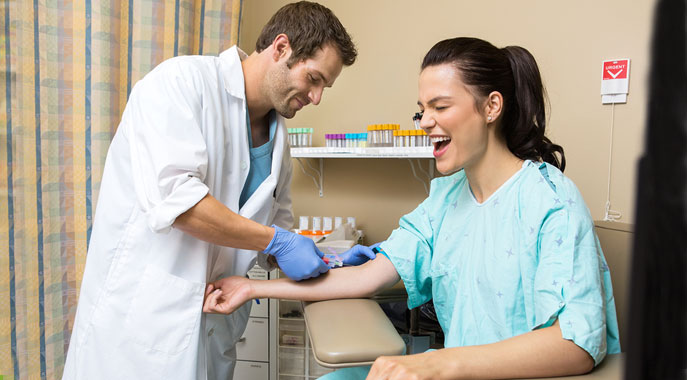
Phlebotomists are skilled healthcare professionals responsible for drawing blood from patients for medical tests, transfusions, donations, or research. Their primary duties include:
1. **Venipuncture**: Performing venipuncture to collect blood samples from patients.
2. **Labeling and Tracking**: Ensuring accurate labeling and tracking of blood samples to prevent errors.
3. **Patient Care**: Providing compassionate care to patients during blood collection procedures.
4. **Following Safety Protocols**: Adhering to strict safety protocols to prevent infections and ensure a sterile environment.
5. **Communication**: Communicating effectively with patients to alleviate any fears or concerns about the procedure.
**Skills Required:**
Phlebotomists need a unique set of skills to excel in their profession, including:
1. **Attention to Detail**: Ensuring accurate labeling and tracking of blood samples.
2. **Communication Skills**: Providing clear instructions to patients and calming their anxieties.
3. **Manual Dexterity**: Performing venipuncture requires precise hand-eye coordination.
4. **Empathy**: Demonstrating compassion and empathy towards patients during procedures.
5. **Medical Knowledge**: Understanding medical terminology and procedures related to blood collection.
**Education and Training:**
To become a phlebotomist, individuals typically need to complete a phlebotomy training program, which can range from a few weeks to several months. Additionally, certification from organizations like the National Healthcareer Association (NHA) or the American Society for Clinical Pathology (ASCP) may be required to practice as a phlebotomist. Some key components of phlebotomy training include:
– Anatomy and Physiology
– Blood Collection Techniques
– Infection Control
– Medical Terminology
**Job Outlook:**
The demand for phlebotomists is expected to grow in the coming years due to advancements in healthcare technology and an aging population. According to the Bureau of Labor Statistics, the median annual wage for phlebotomists was $35,510 in May 2020, with excellent job prospects in hospitals, diagnostic laboratories, and blood donation centers.
**Benefits of Being a Phlebotomist:**
- Fulfilling Career: Making a difference in patients’ lives by providing essential healthcare services.
– Job Stability: High demand for phlebotomists ensures job security and steady employment.
– Competitive Salary: Phlebotomists can earn a respectable income with opportunities for advancement.
**Practical Tips for Phlebotomists:**
- Stay Updated: Keep abreast of the latest medical trends and technological advancements in phlebotomy.
– Practice Safety: Follow safety protocols rigorously to safeguard yourself and patients from infections.
- Develop Soft Skills: Enhance your communication and empathy skills to build rapport with patients.
**Conclusion:**
Phlebotomists play a critical role in healthcare by ensuring the accurate and safe collection of blood samples for diagnostic purposes. Their skills, education, and dedication contribute to the overall well-being of patients and the efficiency of medical procedures. If you are considering a career in healthcare that combines technical expertise with patient interaction, becoming a phlebotomist could be the perfect choice for you.
phlebotomists are indispensable members of healthcare teams, performing essential tasks that contribute to patient care and diagnostic accuracy. By honing their skills, pursuing education and training, and staying updated on industry best practices, phlebotomists can thrive in this dynamic and rewarding profession.