Ultimate Guide to Phlebotomy Technician Certification: How to Launch Your Healthcare career
Embarking on a career in healthcare offers many rewarding opportunities, and becoming a certified phlebotomy technician is a fantastic way to start. Whether you’re passionate about patient care, blood collection, or simply looking for a promising healthcare career path, obtaining your phlebotomy certification is a crucial step. This comprehensive guide will walk you through everything you need to no about becoming a certified phlebotomy technician, from training requirements to practical tips on launching your healthcare career.
What is a Phlebotomy Technician?
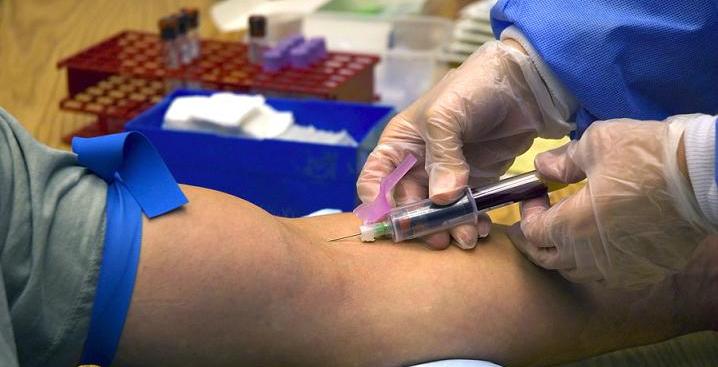
A phlebotomy technician is a healthcare professional trained in collecting blood samples from patients for testing,transfusions,donations,or research.They play a vital role in the diagnostic process,ensuring that blood samples are collected safely,efficiently,and accurately.
Why Obtain Phlebotomy Technician Certification?
While some states allow phlebotomy work without certification, earning a formal credential offers numerous benefits:
- Enhanced employability - Certification makes you a more attractive candidate to employers.
- Increased earning potential – Certified technicians typically earn higher wages.
- Legal compliance – Many healthcare facilities require certification to ensure quality standards.
- Improved skills and knowledge – Certification programs offer comprehensive training in blood collection techniques, safety protocols, and patient interaction.
Steps to Get Certified as a Phlebotomy Technician
1. Meet Basic Educational requirements
Most programs require a high school diploma or equivalent (GED). Prior healthcare experience can be favorable but is not always mandatory.
2. Complete a Recognized Phlebotomy Training Program
Look for accredited programs that include both classroom instruction and hands-on practice. These programs typically last from 4 weeks to several months, depending on the depth of training.
3. Gain Practical Experience
Hands-on sampling experience is essential. Many training programs incorporate clinical externships or practicums to provide real-world practice.
4. Pass a Certification Exam
choose a reputable certifying organization. Common certifications include:
- American Society for Clinical Pathology (ASCP)
- National healthcareer Association (NHA)
- American Medical Technologists (AMT)
- National Phlebotomy Association (NPA)
Certification Exam Overview
The certification exam typically consists of multiple-choice questions covering topics such as blood collection procedures, safety, infection control, anatomy, and patient communication.
| Organization | Exam name | Eligibility | Validity |
|---|---|---|---|
| ASCP | Certified Phlebotomy Technician (CPT) | Completed training & externship | 3 years renewal |
| NHA | Certified Phlebotomy Technician (CPT) | Training + 100 blood draws | 2 years renewal |
| AMT | Registered Phlebotomy Technician (RPT) | Training + clinical experience | 3 years renewal |
Benefits and Practical Tips for Aspiring Phlebotomy Technicians
Benefits of Becoming Certified
- Job stability – Healthcare is a resilient industry.
- Career advancement opportunities – Progress to roles like Laboratory Technician or Medical Assistant.
- Personal satisfaction – Directly helping patients and contributing to health diagnostics.
Practical Tips for Success
- Choose an accredited training program to ensure your certification is recognized nationwide.
- Gain hands-on experience – Practice techniques diligently during externships.
- Stay updated on best practices – Healthcare standards evolve; continuous learning is key.
- Prepare thoroughly for the certification exam – Use practice tests and study guides.
Case Study: From Student to Certified Phlebotomy Technician
Meet Lisa: A Pathway to Healthcare
Lisa completed a 6-week phlebotomy training program while working part-time. After gaining clinical experience during her externship, she prepared for her certification exam and successfully passed. Today, Lisa works at a busy hospital, enjoying the rewarding nature of direct patient care and blood collection. Her journey underscores the importance of accredited training and hands-on practice in launching a prosperous healthcare career.
First-Hand Experience: What to Expect on the Job
As a phlebotomy technician, expect a dynamic work surroundings involving patient interaction, sample processing, and safety protocols. Skills such as communication, attention to detail, and manual dexterity are crucial. the job can be physically demanding but highly fulfilling, especially when contributing to accurate diagnoses and patient well-being.
conclusion
Becoming a certified phlebotomy technician is a strategic and valuable step toward a successful career in healthcare. By completing an accredited training program,gaining practical experience,and passing a reputable certification exam,you can open doors to stable employment,career growth,and meaningful patient interactions.Whether you’re just starting out or looking to enhance your credentials, investing in phlebotomy certification can set you on a path to a rewarding healthcare career. Take the first step today and embark on a journey that combines professional development with making a tangible difference in people’s lives.
Ready to launch your healthcare career?
Explore accredited phlebotomy training programs in your area and start your certification journey now!