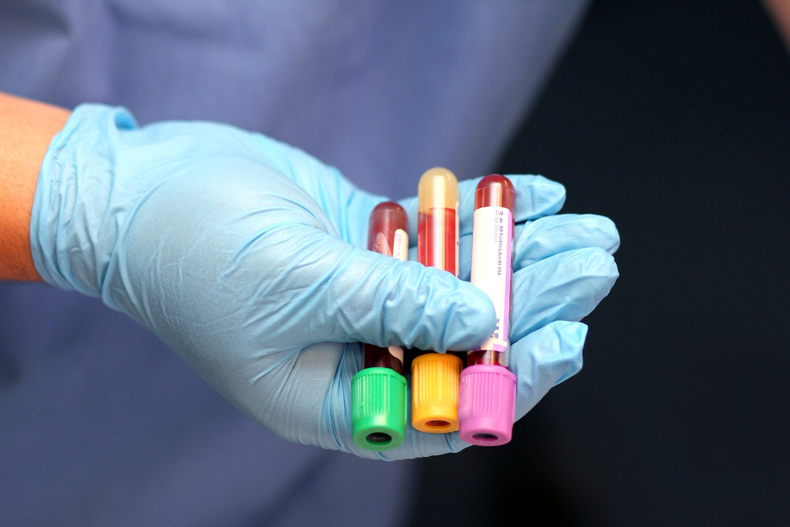
How Long Is a phlebotomy Course? Complete Timeline and Certification Insights
If you’re considering a career in healthcare, becoming a phlebotomist is an excellent choice. Phlebotomy courses are designed to prepare individuals to safely draw blood and assist in various medical settings. But one common question prospective students have is: how long does a phlebotomy course take? In this complete guide, we’ll explore the typical duration of phlebotomy training, certification requirements, and practical tips to help you start your journey confidently.
Understanding Phlebotomy: The Role and Responsibilities
Phlebotomists are vital members of the healthcare team, responsible for collecting blood samples for testing, donation, or research. Their duties include patient identification, blood draw procedures, maintaining sterile technique, and handling specimens. Due to the sensitive nature of their work, proper training and certification are essential to ensure patient safety and accuracy.
How Long is a Phlebotomy Course? The Complete Timeline
The duration of a phlebotomy course depends on several factors, including the type of program, its structure, and the state or country regulations. Generally, courses can range from a few weeks to several months.
Types of Phlebotomy Training Programs and Their duration
| Program Type | Typical Duration | Details |
|---|---|---|
| Certificate program | 4 to 12 weeks | Intensive training focusing on blood collection techniques and safety protocols, ideal for beginners. |
| Diploma or Associates Degree | 6 months to 2 years | More comprehensive education including anatomy, physiology, and clinical practice. |
| On-the-Job Training | Varies, often 40-120 hours | Practical training provided by employers for experienced medical professionals or as an internship. |
Factors Affecting Course Duration
- Program Format: Online, in-person, or hybrid courses may have different timeframes.
- Intensive vs. Part-Time: Full-time programs are shorter, while part-time courses extend over several months.
- State Requirements: Some states require specific course hours or clinical experience, impacting duration.
- Clinical Practice: The need for hands-on practice can add to the overall timeline.
Certification Process and Requirements
Becoming a certified phlebotomist enhances employment opportunities and credibility in the healthcare field. While certification requirements vary,most employers and states prefer or require certification from recognized organizations.
Popular Phlebotomy Certification Agencies
- American Society for Clinical Pathology (ASCP)
- National Healthcareer Association (NHA)
- American Certification Agency (ACA)
- National Center for Competency Testing (NCCT)
Certification Eligibility and Testing Timeline
typically, to qualify for the certification exam, applicants must:
- Complete a state-approved phlebotomy training program.
- Accumulate a specified number of supervised clinical hours (usually 40-120 hours).
- Meet educational prerequisites, such as a high school diploma or GED.
- Choose Accredited Programs: Ensure the course program is accredited by relevant bodies for better employment prospects.
- Gain Hands-on Experience: Seek programs with clinical rotations or internships to build confidence and skills.
- Prepare for Certification Exams: Study thoroughly and take practice tests to increase your success rate.
- Stay Informed on State Regulations: Regulations vary, so check your state’s specific requirements for licensure or certification.
- Identifying and preparing patients for blood draws.
- Ensuring proper labeling and handling of specimens.
- Maintaining sterile techniques and adhering to safety protocols.
- Assisting team members with additional laboratory tasks.
- Certificate programs typically take 4 to 12 weeks.
- Diploma programs may last 6 months to 2 years.
- On-the-job training varies but generally takes a few weeks to months.
- Certification exams are scheduled post-completion, usually within a few weeks.
once eligible, candidates can register for the certification exam. The process usually involves scheduling the test within a few weeks after completing the coursework, depending on testing center availability.
Certification Validity and Recertification
Most certifications are valid for 2-3 years. Recertification involves continuing education and/or retaking the certification exam, which can be planned ahead to ensure compliance and career advancement.
Practical Tips for Aspiring Phlebotomists
Case Study: A Day in the Life of a Phlebotomist
Maria completed her 6-week phlebotomy certificate course, including clinical practice. After passing her certification exam,she secured a position at a local hospital. Her typical day involves:
Maria’s experience exemplifies how comprehensive training and certification can lead to a rewarding and in-demand healthcare career.
Summary: How Long Does It Take to Become a Certified Phlebotomist?
In summary:
from starting a training program to becoming certified, it often takes between 1 to 6 months, depending on your course choice and scheduling. This fast path allows aspiring healthcare workers to enter the workforce rapidly and build a meaningful career in medical laboratories, hospitals, and clinics.
Conclusion
Becoming a phlebotomist is an attainable and rewarding career choice with a clear and manageable timeline. Whether you opt for a short-term certificate program or a more comprehensive diploma,the key is to choose accredited training,gain practical experience,and obtain certification to enhance your employability. Remember that your dedication to learning and patient care will be the foundation of your success in this vital healthcare role.
If you’re passionate about making a difference in patients’ lives and seeking a fast-track healthcare career, a phlebotomy course is an excellent starting point. Invest in quality training, stay informed on certification requirements, and step confidently into your new profession today!