**Title: The Essential Guide to Phlebotomy Duties: What You Need to Know**
**Introduction:**
Phlebotomy is a crucial aspect of healthcare that involves drawing blood from patients for various purposes, such as diagnostics, transfusions, or research. Phlebotomists play a vital role in ensuring that blood is collected safely and accurately. In this comprehensive guide, we will explore the essential duties of phlebotomists and provide you with all the information you need to know about this important healthcare profession.
**What is Phlebotomy?**
Phlebotomy is the process of drawing blood from patients for medical testing, donations, or other purposes. Phlebotomists are trained professionals responsible for performing this procedure safely and efficiently.
**Duties of a Phlebotomist:**
1. **Patient Interaction:** Phlebotomists are often the first healthcare professionals to interact with patients. They must establish trust and ensure patient comfort throughout the blood collection process.
2. **Preparing Equipment:** Phlebotomists are responsible for preparing the necessary equipment for blood collection, including needles, tubes, and other supplies.
3. **Identifying Patients:** Accuracy is crucial in phlebotomy. Phlebotomists must correctly identify patients to ensure that blood samples are labeled and matched correctly.
4. **Venipuncture:** This is the process of puncturing a vein to collect blood. Phlebotomists must have a thorough understanding of anatomy to locate veins accurately and perform the procedure safely.
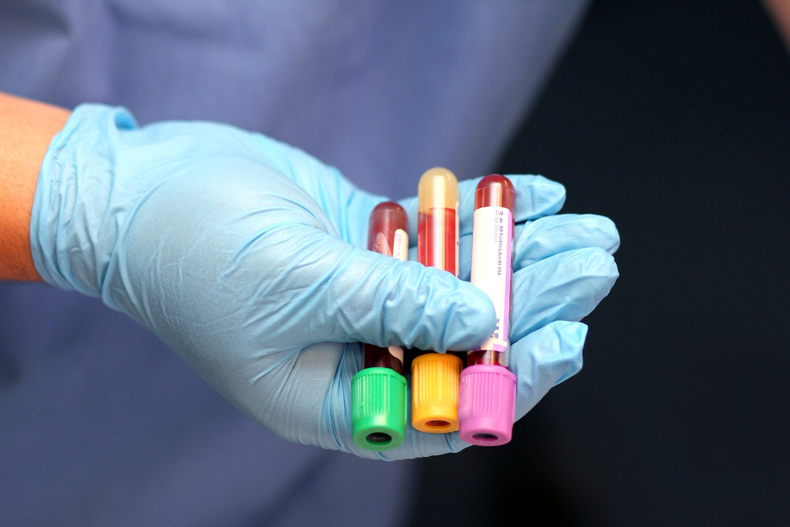
5. **Collecting and Labeling Samples:** Phlebotomists are responsible for collecting blood samples, labeling them accurately, and ensuring that they are properly preserved for testing.
6. **Handling Samples:** Phlebotomists must handle blood samples safely to prevent contamination or damage. Proper storage and transportation are essential to maintain sample integrity.
7. **Documentation:** Phlebotomists are required to maintain detailed records of blood collection procedures, including patient information, test requests, and other relevant data.
**Benefits and Practical Tips:**
– Pursuing a career in phlebotomy can be rewarding, as it offers job stability and growth opportunities in the healthcare industry.
– To succeed as a phlebotomist, it is essential to have strong communication skills, attention to detail, and a compassionate demeanor towards patients.
– Continuing education and certification are important for phlebotomists to stay updated on the latest practices and advancements in the field.
**Conclusion:**
Phlebotomy is a critical component of healthcare that requires skilled professionals to perform blood collection procedures safely and accurately. By understanding the essential duties of a phlebotomist and following best practices, you can contribute to the quality of patient care and uphold the standards of the healthcare industry. Whether you are considering a career in phlebotomy or seeking to learn more about this field, this guide provides you with valuable insights to help you navigate the world of phlebotomy with confidence.