**Title: Unveiling the Key Responsibilities of a Phlebotomist: What You Need to Know**
**Introduction:**
Phlebotomists play a crucial role in the healthcare industry by drawing blood for tests, transfusions, research, or donations. They are essential members of the medical team and perform various duties to ensure accurate blood collection and patient care. In this article, we will explore the key responsibilities of a phlebotomist and provide valuable insights into this important healthcare profession.
**Key Responsibilities of a Phlebotomist:**
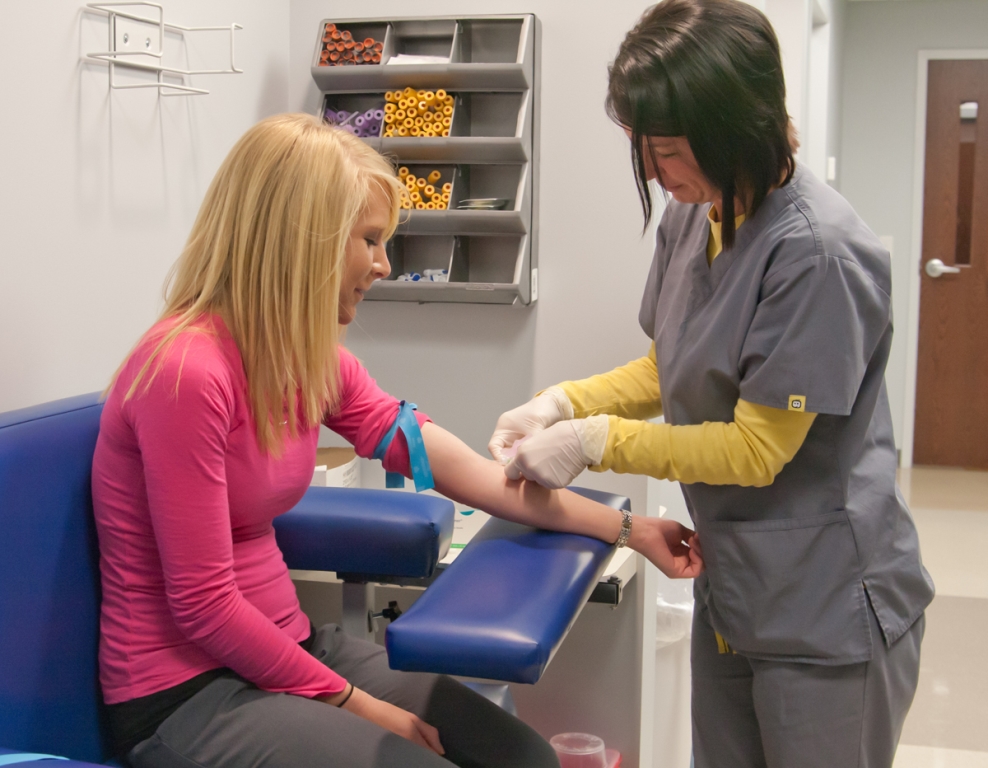
1. **Blood Collection:** One of the primary responsibilities of a phlebotomist is to collect blood samples from patients for various purposes. This process requires skill and precision to ensure that the samples are collected correctly and safely.
2. **Patient Interaction:** Phlebotomists must have excellent communication skills to interact with patients and alleviate any fears or concerns they may have about the blood collection process. Building trust with patients is essential for a successful blood draw.
3. **Labeling and Processing Samples:** After collecting blood samples, phlebotomists are responsible for labeling the samples accurately and processing them for testing or storage. Proper labeling is crucial to avoid mix-ups and ensure the integrity of the samples.
4. **Venipuncture:** Venipuncture is the process of puncturing a vein to collect blood, and phlebotomists must be skilled in this technique. They must locate suitable veins for blood collection and perform the procedure safely and efficiently.
5. **Maintaining Equipment:** Phlebotomists are responsible for maintaining and sanitizing their equipment, including needles, tubes, and other supplies. This is essential to prevent infections and ensure the safety of both patients and healthcare workers.
6. **Data Entry:** Phlebotomists are often required to enter patient information and test results into electronic health records or laboratory systems. Accuracy is crucial in this aspect of their job to ensure that the right information is recorded and accessible to healthcare providers.
7. **Adhering to Safety Protocols:** Phlebotomists must follow strict safety protocols to prevent the spread of infections and ensure the well-being of patients and staff. This includes wearing personal protective equipment, disposing of biohazardous waste properly, and maintaining a clean work environment.
8. **Continuing Education:** To stay current with the latest techniques and best practices in phlebotomy, phlebotomists must participate in regular training and continuing education programs. This helps them enhance their skills and knowledge to provide better care to patients.
**Benefits and Practical Tips:**
**Benefits of Becoming a Phlebotomist:**
– Job Stability: Phlebotomy is a growing field with increasing demand for skilled professionals.
– Competitive Salary: Phlebotomists can earn a competitive salary with opportunities for advancement.
– Fulfilling Career: Helping patients and making a difference in their healthcare journey can be rewarding.
**Practical Tips for Phlebotomists:**
– Practice Venipuncture Techniques: Regular practice can help phlebotomists improve their skills and confidence.
– Stay Updated on Best Practices: Keeping up-to-date with the latest guidelines and techniques in phlebotomy is essential.
– Build Rapport with Patients: Establishing a rapport with patients can make the blood collection process more comfortable for them.
**Conclusion:**
Phlebotomists play a vital role in the healthcare system by collecting blood samples for various purposes. Their key responsibilities include blood collection, patient interaction, labeling samples, venipuncture, equipment maintenance, data entry, safety adherence, and continuing education. By understanding these responsibilities and embracing the importance of their role, phlebotomists can provide high-quality care to patients and contribute to the overall effectiveness of healthcare delivery.
phlebotomy is a rewarding and essential profession that requires dedication, skill, and compassion. By following best practices and staying updated on industry standards, phlebotomists can excel in their roles and make a positive impact on patient care.