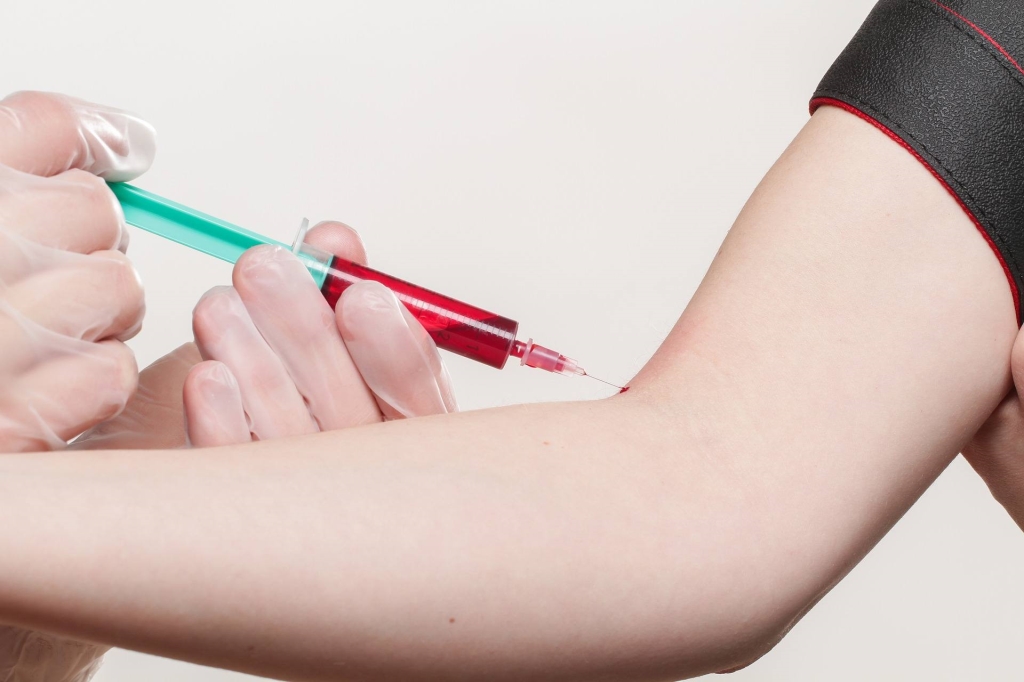
Mastering Vein Selection: Essential Tips for Successful Phlebotomy Procedures
Introduction
Venipuncture,commonly known as blood collection or phlebotomy,is a essential procedure in medical diagnostics. The success of blood draws heavily depends on the skilled selection of veins, making vein selection a critical skill for healthcare professionals. Proper vein selection not only improves the efficiency of the procedure but also enhances patient comfort and safety. In this comprehensive guide, we’ll explore the essential tips for selecting the right veins for successful phlebotomy, backed by expert insights, practical techniques, and real-world case studies.
Understanding the Importance of Proper Vein Selection
Choosing the optimal vein during venipuncture ensures minimal discomfort, reduces the risk of complications, and guarantees the collection of high-quality blood samples. Incorrect vein selection can lead to failed attempts, Hematoma formation, or patient injury. therefore, mastering vein selection is vital for both novice and experienced phlebotomists.
Key Factors to Consider when Selecting a Vein
Patient Anatomy and Condition
- age: Children and elderly patients have diffrent vein characteristics.
- Hydration: Well-hydrated patients tend to have more prominent veins.
- Vein Characteristics: Size, depth, and elasticity influence selection.
- Previous IV or blood draws: Avoid veins previously used for IVs or known issues.
Common Vein Sites for Phlebotomy
The most accessible and reliable veins include:
- Cubital Fossa: Median cubital vein
- Dorsal Vein of the Hand: Dorsal metacarpal veins
- Antecubital Area: Cephalic and basilic veins
- Forearm Veins: Alternative when other sites are unsuitable
Practical Tips for Effective Vein Selection
1. Visual Inspection and Palpation
Start by visually inspecting the patient’s arm for prominent veins. Use light pressure with your index finger to palpate—veins feel like soft, bouncy tubes. Palpation helps assess vein size, depth, and stability. Typically, a good vein is:
- Visible or easily palpable
- Standing or sitting patient
- Straight and elastic
2. Positioning the Patient
Position the patient comfortably, with their arm extended and slightly below heart level. This promotes venous distension, making veins more prominent and easier to access.
3. Use of Tourniquet
A proper tourniquet application (about 3-4 inches above the puncture site) causes veins to swell, enhancing visibility and palpability. Avoid over-tightening to prevent discomfort and venous collapse.
4.Selecting the Largest and Most Stable Vein
The ideal vein is:
- Large enough to accommodate the needle
- Stable and not rolling
- Less likely to bruise or cause hematoma
5. Avoiding Problematic Veins
- Veins that are scarred, hardened, or sclerosed
- Veins distal to IV sites or with signs of infection
- Veins that feel hard or cord-like
Benefits of Proper Vein Selection
| Benefit | Clarification |
|---|---|
| Higher success Rate | Choosing the right vein increases first-attempt success. |
| Patient Comfort | reduces pain and anxiety during blood draw. |
| Minimized Complications | Less bruising, hematoma, or nerve injury. |
| Efficient Procedure | Less time spent on vein searching, saving resources. |
Case Studies Highlighting Effective Vein Selection
Case Study 1: Successful Painless Blood Draw in Elderly Patient
An 80-year-old patient with fragile veins presented difficulties during venipuncture. after proper positioning and palpation, the phlebotomist identified a superficial dorsal vein that was less tortuous and easily palpable. Proper tourniquet application led to a successful, painless blood draw on the first attempt, showcasing the importance of patience and technique.
Case Study 2: Avoiding Hematoma in a Patient with Multiple Attempts
A patient with a history of tough venipuncture had failed attempts at the median cubital vein. The phlebotomist chose the cephalic vein on the forearm, which was larger and more stable. This choice reduced complications and improved patient satisfaction.
First-Hand Experiance: Lessons Learned from the Field
From years of practice, experienced phlebotomists emphasize the importance of customizing vein selection per individual patient. Maintaining patience,practicing gentle palpation,and respecting patient comfort are key. Additionally, continuous training and awareness of vein anatomy enhance success rates in diverse clinical settings.
Conclusion
Mastering vein selection is a cornerstone of successful phlebotomy procedures. By understanding patient anatomy, using practical techniques for palpation and positioning, and selecting the most suitable veins, healthcare professionals can improve success rates, patient experience, and safety. Remember,effective vein selection combines skill,patience,and an attentive approach—making each blood draw as efficient and agreeable as possible. With consistent practice and attention to detail, you can elevate your venipuncture proficiency and provide quality care to every patient.