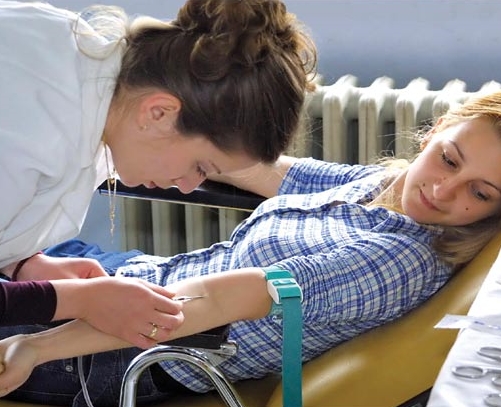
Mastering the Essentials: A beginner’s Guide to Phlebotomy Basics
Introduction
Embarking on a career in healthcare often begins with mastering foundational skills like phlebotomy-the art of drawing blood for tests, donations, and research. Whether you’re an aspiring medical professional, a nursing student, or someone looking to expand your healthcare skillset, understanding the basics of phlebotomy is essential. This comprehensive beginner’s guide will walk you through the vital techniques, safety protocols, tools, and practical tips required to excel in this crucial area of medical practice.Let’s explore how to become proficient and confident in phlebotomy, ensuring patient safety and accurate test results along the way.
What Is Phlebotomy?
Phlebotomy is the process of making an incision in a vein with a needle to collect blood specimens for laboratory testing, transfusions, or research. It is a fundamental procedure in clinical laboratories, hospitals, and blood donation centers. Proper phlebotomy skills are vital for ensuring the integrity of the blood sample, patient comfort, and safety.
Phlebotomy Basics: Essential Skills Every Beginner Should Know
Mastering the fundamentals of phlebotomy involves understanding various key skills. here’s a breakdown of essential techniques and knowledge areas for beginners:
1. Proper Patient Identification
- Ask the patient to state their full name and date of birth.
- Use identification bands or labels for confirmation.
- Double-check patient details before proceeding.
2. Gathering and Preparing Equipment
| Equipment | Description |
|---|---|
| Venipuncture needles | Sterile, usually 21 or 22 gauge |
| Alcohol swabs | Disinfects the puncture site |
| Vacutainer tubes | Blood collection tubes with specific additives |
| Tourniquet | Helps visualize veins |
| Gauze and Bandages | For site compression post-draw |
3.venipuncture Technique
- Select an appropriate vein, usually the median cubital vein.
- Apply the tourniquet 3-4 inches above the site.
- Disinfect with alcohol swab and allow to dry.
- Insert the needle at a 15-30 degree angle into the vein.
- Attach the collection tube and fill, then withdraw gently.
- Apply pressure and bandage the puncture site.
4. Handling and Labeling Blood Samples
- Ensure samples are correctly labeled immediately after collection.
- Use proper labels with patient details, date, and time.
- Handle tubes gently to avoid hemolysis or contamination.
5. post-Procedure Care and Patient Comfort
- Apply gentle pressure to prevent bleeding.
- observe the patient for any adverse reactions.
- Provide post-draw instructions, especially regarding fainting or bleeding.
safety Protocols and Best practices in Phlebotomy
Ensuring safety in phlebotomy is paramount. Follow these guidelines to protect both patients and healthcare professionals:
- Use Personal protective Equipment (PPE): Always wear gloves, masks, and eye protection as needed.
- Practice Proper Hand Hygiene: Wash hands thoroughly before and after procedures.
- Disposal of Sharps: Use approved sharps containers to prevent needle-stick injuries.
- Infection Control: Disinfect the puncture site and work surfaces regularly.
Adhering to these safety measures reduces the risk of cross-contamination and injury.
Benefits of Mastering Phlebotomy Skills
- Career Opportunities: Increased employability in hospitals, clinics, and laboratories.
- Patient Care: Improve patient comfort and trust through professional techniques.
- Accuracy and Reliability: Ensuring high-quality blood samples for precise diagnostic results.
- skill Progress: Building a foundational skill set applicable in various healthcare settings.
Practical Tips for Aspiring Phlebotomists
- Practice on family or friends to build confidence.
- Always double-check patient details before collection.
- Stay updated with the latest venipuncture techniques and equipment.
- Maintain good hygiene and professional appearance.
- Seek feedback from experienced colleagues and trainers.
Case Study: First-Hand Experience in Phlebotomy
Maria, a newly certified phlebotomist, recalls her first week on the job. She learned that patience and calmness are key. During her initial attempts, she faced challenges with difficult veins and patient anxiety. by applying proper techniques, staying gentle, and communicating effectively, she managed to draw blood successfully and gained confidence. Her experience highlights the importance of continuous practice and professionalism in mastering phlebotomy.
Conclusion
Mastering the essentials of phlebotomy is a vital step for anyone pursuing a career in healthcare or seeking to develop valuable clinical skills. From understanding the basic techniques, ensuring safety, to handling blood samples correctly, each component plays a crucial role in delivering quality patient care. With dedication, practice, and adherence to best practices, you can become proficient and confident in the art of phlebotomy. Remember, continuous learning and real-world experience are key to advancing your skills and making a positive impact in the medical field.