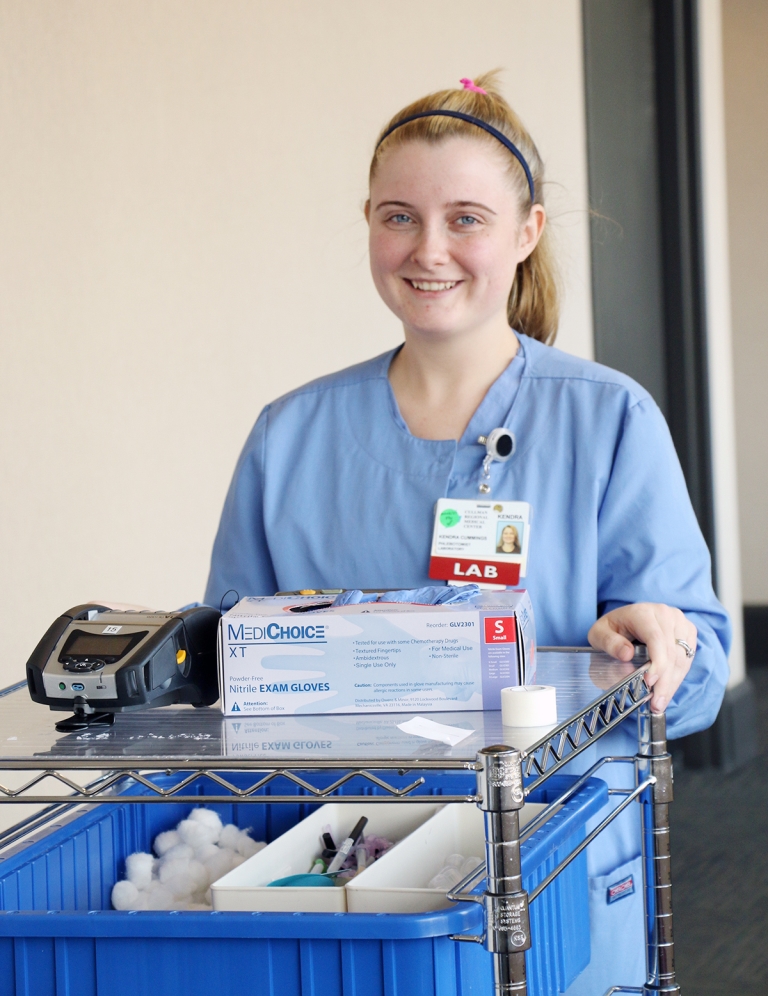
Mastering Phlebotomy: Your Step-by-Step Guide to Becoming a Certified Phlebotomist
Phlebotomy is a vital skill in the medical field, focusing on the collection of blood samples for testing, transfusions, or donations. As a certified phlebotomist, you can embark on a rewarding career that contributes significantly to patient care. This comprehensive guide will navigate you through the essential steps to becoming a certified phlebotomist, from educational requirements to practical tips.
What is Phlebotomy?
Phlebotomy is the practice of drawing blood from patients for a variety of medical reasons. Phlebotomists play a crucial role in healthcare settings, including hospitals, clinics, and laboratories.
Key Responsibilities of a Phlebotomist
- Preparing patients for blood collection.
- Performing venipuncture or capillary collection.
- Ensuring safety by using proper techniques and equipment.
- Labeling and storing samples correctly.
- Assisting in patient care and education.
Steps to Become a Certified Phlebotomist
Becoming a certified phlebotomist requires dedication and a clear understanding of the steps involved. Here’s a detailed breakdown:
1. Obtain a High School Diploma or GED
A foundational requirement for enrolling in any phlebotomy program is possessing a high school diploma or a General Educational Development (GED).
2. Enroll in a Phlebotomy Training Program
Look for accredited phlebotomy programs offered by community colleges, vocational schools, or hospitals. These programs typically include:
- Classroom instruction on human anatomy and blood collection techniques.
- Hands-on practice through clinical experiences.
3. Complete Required Clinical Hours
Hands-on experience is crucial. Most programs require a minimum of 40-100 hours of clinical practice to ensure proficiency in blood collection techniques.
4. Obtain Certification
After completing your training, you’ll need to pass a certification exam. Major certifying bodies include:
- American Society for Clinical Pathology (ASCP)
- National Phlebotomy Association (NPA)
- American Medical Technologists (AMT)
5. Pursue Continuing Education
To maintain your certification, continuous education is often required, which keeps you updated on the latest techniques and regulations in phlebotomy.
Benefits of Becoming a Certified Phlebotomist
Choosing a career in phlebotomy comes with numerous advantages:
- Job Security: With the increasing demand for healthcare services, certified phlebotomists are in high demand.
- Career Advancement: Many phlebotomists advance to roles such as laboratory technician, medical technologist, or healthcare administrator.
- Flexible Schedule: Phlebotomists may work in various settings, providing opportunities for full-time or part-time work.
- Satisfaction from Helping Others: As a phlebotomist, you play a critical role in patient health and well-being.
First-Hand Experience: Case Studies
Case Study 1: Transitioning Careers
John, a former retail manager, decided to pursue phlebotomy. After completing a six-month program, he found the work gratifying and felt a stronger connection to the medical field. His compassionate approach helped him build rapport with patients, ultimately leading to a fulfilling career.
Case Study 2: Balancing Work and Life
Maria, a recent graduate, found a part-time phlebotomy position while continuing her education in nursing. The skills she gained as a phlebotomist enhanced her nursing capabilities, preparing her for real-life patient interactions.
Practical Tips for Success in Phlebotomy
- Practice Makes Perfect: Constantly refine your techniques.
- Stay Calm Under Pressure: Develop ways to manage stress, as phlebotomists often work in fast-paced environments.
- Build Patient Relationships: Strong communication skills can ease patients’ fears and enhance their experience.
- Keep Learning: Engage in workshops and seminars to stay updated on best practices.
Conclusion: Take the First Step Towards Your Phlebotomy Career
Becoming a certified phlebotomist can be a rewarding career choice that opens doors to numerous opportunities in the healthcare sector. By following this step-by-step guide and dedicating yourself to practical learning and patient care, you’ll not only become a skilled professional but also make a significant positive impact in people’s lives.
Now is the time to start your journey. Enroll in a phlebotomy program today and take the first step toward mastering this essential skill!