Mastering phlebotomy CPT: Essential Skills, certification Tips, and Career Insights
Embarking on a career in phlebotomy can be both rewarding and fulfilling for those passionate about healthcare and patient care. The Certified Phlebotomy Technician (CPT) credential is a vital step toward establishing credibility and advancing in this dynamic field. Whether you’re just starting or aiming to hone your skills, understanding the essentials of mastery in phlebotomy, certification strategies, and career prospects is crucial.This extensive guide offers valuable insights to help you excel as a Phlebotomy CPT and build a prosperous healthcare career.
Understanding the Role of a phlebotomy CPT
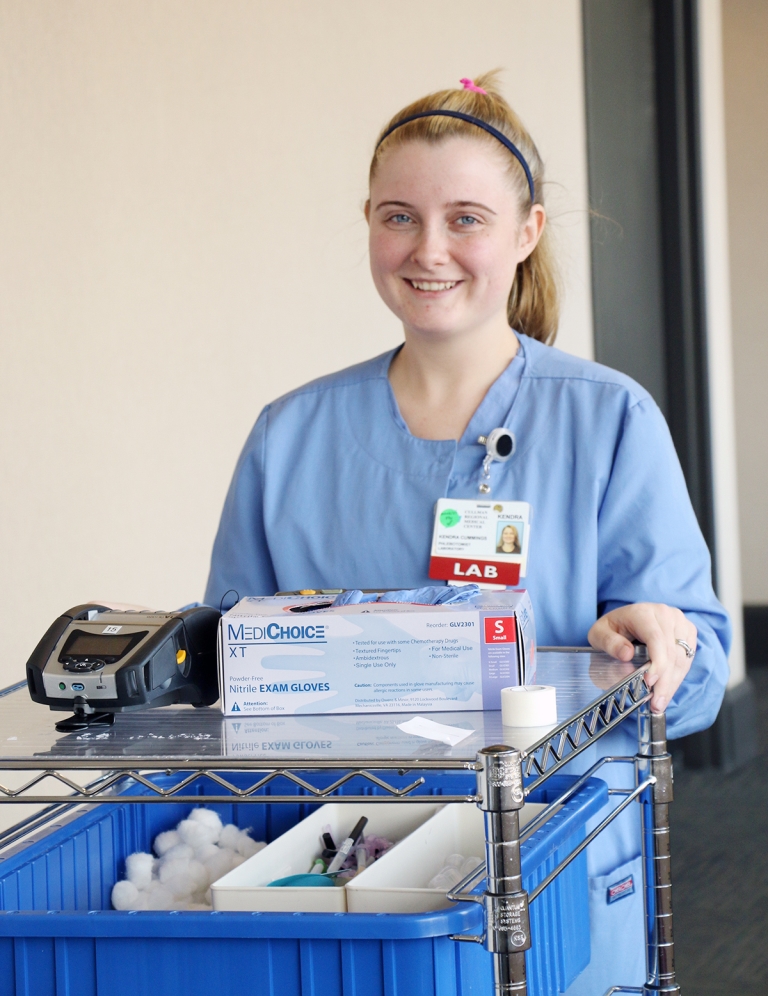
A Phlebotomy Certified Technician (CPT) is responsible for collecting blood samples from patients for laboratory testing,diagnosing various health conditions,and supporting medical research. This role is integral to healthcare teams and requires precision, empathy, and technical competence.
Key responsibilities include:
- Properly preparing patients for blood draws
- Ensuring safety and infection control standards
- Handling and labeling specimens accurately
- Maintaining equipment and documentation
Essential Skills every Phlebotomy CPT Must Master
Success in phlebotomy hinges on a blend of technical prowess and soft skills.Here are the core skills required:
technical Skills
- Vein Selection and Puncture Techniques: Proficiency in locating suitable veins and performing venipuncture with minimal discomfort.
- Specimen Handling: Proper collection, labeling, and transportation of samples to ensure accuracy.
- Knowledge of Equipment: Familiarity with needles, tourniquets, antiseptics, and collection tubes.
- Infection Control: Adherence to safety protocols to prevent cross-contamination and protect patients and staff.
Soft Skills
- Communication Skills: Clearly explaining procedures and alleviating patient anxiety.
- Attention to Detail: Meticulous record-keeping and specimen management.
- Empathy and Patience: providing compassionate care, especially to nervous or vulnerable patients.
- Problem-solving: Handling difficult veins or unforeseen complications calmly and efficiently.
Certification Tips for Aspiring Phlebotomy CPTs
Obtaining your CPT certification is a pivotal step toward career advancement. Here are practical tips to succeed:
Step 1: Meet the Prerequisites
- High school diploma or GED
- Completion of an accredited phlebotomy training program
- Minimum number of supervised blood collections (check specific certifying bodies)
Step 2: Choose a recognized Certification Provider
the most reputable organizations include:
- National Healthcareer Association (NHA)
- American Society for Clinical Pathology (ASCP)
- National Phlebotomy Association (NPA)
Step 3: Prepare for the Certification Exam
- review exam objectives and content outline
- Utilize study guides and practice exams
- Gain hands-on experience through clinical practice
Step 4: Ace the Certification Exam
Approach the exam confidently, manage your time well, and focus on your areas of weakness identified during practice tests.
Step 5: maintain Certification
- Complete continuing education units (CEUs)
- Stay updated with industry standards and best practices
- Renew certification per certifying body requirements
Career Insights and Opportunities in Phlebotomy
once certified, numerous career paths are available. The demand for skilled phlebotomy technicians is consistently high across healthcare settings.
Workplace Settings
- Hospitals and medical centers
- Diagnostic laboratories
- Blood donation centers
- Physician offices
- Mobile phlebotomy services
Salary expectations
| Experience Level | Average Salary (USD) |
|---|---|
| Entry-Level CPT | $30,000 – $40,000 |
| Mid-Career CPT | $40,000 – $50,000 |
| Experienced CPT | $50,000+ |
Advancement Opportunities
- Specialize in pediatric or geriatric phlebotomy
- Transition into clinical laboratory technician roles
- Move into healthcare management or education
Benefits of Becoming a Certified Phlebotomy Technician
- Enhanced credibility and job prospects
- Higher earning potential
- Job stability in a growing healthcare field
- Opportunities for specialization and advancement
Practical Tips for Aspiring Phlebotomists
- Practice venipuncture regularly to improve technique
- Develop excellent bedside manner to ensure patient comfort
- Stay organized with accurate documentation and records
- Stay current with industry updates and new technology
- Network with professionals and join relevant associations
Case Study: First-Hand Experience in Phlebotomy
Maria, a certified phlebotomy technician, shares her experience: “Starting out, I faced many nervous patients, but my emphasis on clear communication and empathy made a huge difference. Over time, my technical skills refined, and I became pleasant handling challenging cases like difficult veins. Certification opened many doors, and now I work in a busy hospital laboratory, supporting critical diagnoses daily.”
Conclusion
Mastering CPT in phlebotomy is a journey that combines skill development, certification, and ongoing professional growth. By honing essential skills, pursuing recognized certification, and gaining practical experience, you position yourself as a vital contributor to healthcare teams. The demand for skilled phlebotomists continues to grow, offering rewarding career opportunities with competitive salaries and a chance to make a real difference in patients’ lives.Invest in your certification, develop your expertise, and take confident steps toward a successful future in phlebotomy.
Ready to advance your healthcare career? Start today by pursuing your certified phlebotomy technician credential and becoming part of a thriving medical community!