Master EKG and Phlebotomy Training: Your Path to a Rewarding Healthcare Career
A practical guide to combining electrocardiogram (EKG/ECG) skills with phlebotomy expertise for a fast,in-demand healthcare role.
Introduction: why EKG and Phlebotomy Together?
If you’re exploring a healthcare career with strong demand, a combined focus on EKG (electrocardiogram) testing and phlebotomy can open doors in clinics, hospitals, and diagnostic labs. EKG technicians monitor heart rhythm and electrical activity, while phlebotomists collect blood samples for testing. Both professions emphasize patient care, attention to detail, and procedural safety. By pursuing structured training that covers both skills, you’ll gain versatile clinical competencies, improve your employability, and position yourself for advancement in allied health settings.
In this article, you’ll find a comprehensive roadmap-from understanding the core tasks to selecting the right program, earning essential certifications, and navigating the career landscape. We’ll incorporate practical tips, real-world scenarios, and actionable steps designed to help you start a rewarding healthcare career with confidence.
What Are EKG and Phlebotomy?
EKG/ECG Technician: What They Do
an EKG technician records the heart’s electrical activity using a surface electrocardiogram. They place leads on a patient, operate the ECG machine, and ensure high-quality readings. Responsibilities typically include preparing patients, troubleshooting common waveform issues, assisting with stress tests as needed, and communicating results to clinicians. EKG technicians are essential in early cardiac assessment and ongoing monitoring, especially in outpatient clinics, cardiology offices, and hospital telemetry units.
Phlebotomy Technician: What They Do
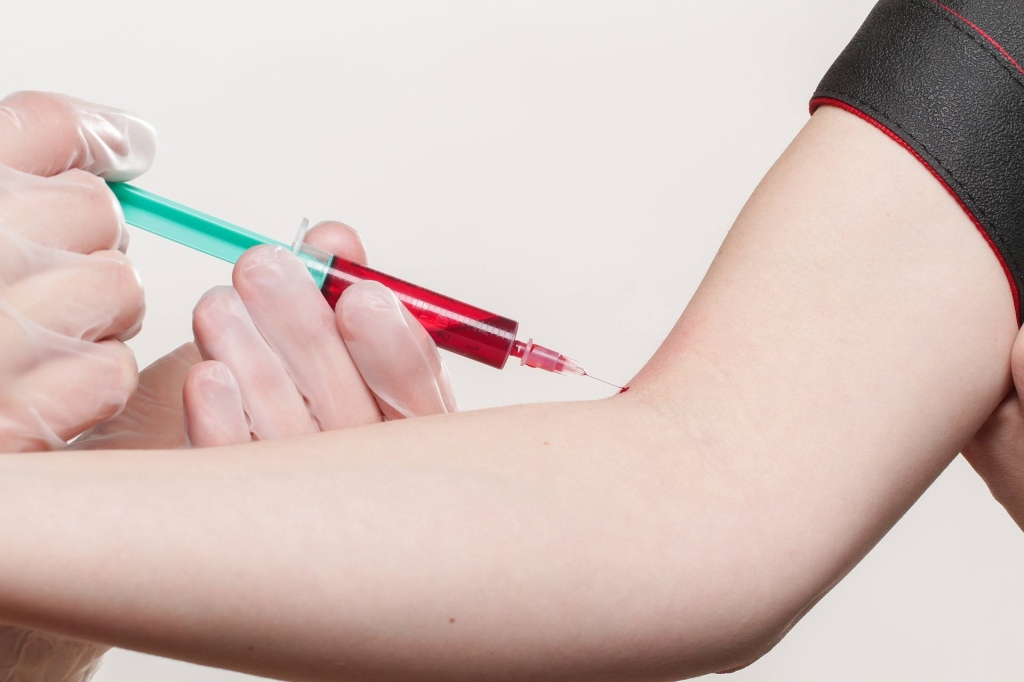
A phlebotomy technician draws blood samples for laboratory analysis, labels specimens, and ensures proper handling and transport to the lab.They interact with diverse patient populations, maintain sterile technique, and adhere to safety and privacy protocols. Phlebotomy is foundational for diagnostic testing, transfusion medicine, and research settings, making skilled phlebotomists a cornerstone of patient-centered care.
Why Learn EKG and Phlebotomy Together?
- Versatility: A dual skill set increases job opportunities across primary care clinics, specialty centers, and hospital outpatient departments.
- Efficiency: Cross-training reduces patient wait times and improves workflow in busy testing environments.
- Career Mobility: With both competencies, you can transition into roles such as Medical Assistant, EKG/Phlebotomy Lead, or Entry-Level Lab Technician.
- Foundation for Advancement: These roles build a strong clinical foundation for further study in nursing, cardiovascular technology, or medical laboratory science.
Training Options and Curriculum Overview
Look for accredited programs that combine hands-on labs, simulation-based practice, and supervised clinical externships. Typical programs run anywhere from a few months to a year,depending on the depth of study and whether you study full-time or part-time. the most effective programs integrate anatomy and physiology basics, safety and infection control, patient interaction, and real-world clinical scenarios.
EKG/ECG Curriculum Highlights
- EKG theory and instrumentation
- Lead placement and 12-lead ECG interpretation basics
- Rhythm strip analysis and artifact recognition
- Cardiac monitoring in outpatient and inpatient settings
- Equipment setup, quality control, and infection control
phlebotomy Curriculum Highlights
- Venipuncture techniques for adults, children, and arduous draw patients
- Capillary (fingerstick) and venous specimen collection
- Specimen labeling, handling, and chain-of-custody
- blood collection safety, OSHA standards, and patient privacy
- Specimen transport and basic phlebotomy math (proper ratios, timelines)
Combined Program Practical Components
- hands-on practice with ECG simulators and real patient demonstrations
- Phlebotomy practice on supervised peers and simulated patients
- Clinical externship with a local hospital, clinic, or lab
- CPR/First Aid certification planning (often included)
Program comparison: Short Snapshot
Choosing the right program matters. The table below offers a fast comparison of typical program attributes. Note that durations and costs vary by region and institution.
| Program Type | Typical Duration | Key Certifications included | Format | Approx. Cost |
|---|---|---|---|---|
| Community College Certificate | 6-9 months | EKG tech, phlebotomy tech, CPR | In-person + labs | $1,500-$4,500 |
| Vocational/Technical School | 4-8 months | EKG tech, Phlebotomy tech | In-person | $3,000-$8,000 |
| Hybrid Online + Local lab | 3-6 months (online theory, local practicum) | EKG tech, Phlebotomy tech, CPR | Online theory + hands-on labs | $2,000-$6,000 |
Certification, Licensure, and Credentialing
Certification and credentialing validate your skills to employers and can influence salary and job prospects. While requirements vary by state and employer, the following are common steps in most U.S.settings:
- Complete an accredited EKG/ECG technician and/or phlebotomy program with a clinical component.
- Earn a professional certification for each discipline (e.g., EKG technician certification and Phlebotomy Technician certification) from recognized national bodies or state boards.
- Maintain CPR/First Aid certification and comply with ongoing continuing education requirements.
- Adhere to patient privacy laws and workplace safety standards (HIPAA,OSHA).
Tip: Some clinics prefer candidates with both EKG and phlebotomy credentials, while others may accept one credential plus strong clinical experience. Always check local job postings to see wich certifications are most valued in your area.
Other Helpful Credentials
- Basic life support (BLS) certification
- CPR and first aid certifications
- Administrative or patient care certifications (optional but beneficial for clinic roles)
career Paths and Salary Outlook
With dual training in EKG and phlebotomy, you can pursue several entry- to mid-level healthcare positions. Salary ranges vary by location,facility type,and experience. Here are typical ranges to set expectations:
: Approximately $34,000-$60,000 per year, depending on region, credentials, and shift differentials. : Approximately $28,000-$45,000 per year, with higher potential in hospital settings or urban areas. : Mid-level roles around $40,000-$60,000, especially with strong clinical and organizational skills.
Remember: salaries are influenced by your geographic region, the demand in your market, and your ongoing professional development. Larger hospital systems and outpatient labs frequently offer higher starting pay and more comprehensive benefits than smaller clinics.
Benefits, Practical Tips, and Best Practices
Benefits of Dual Training
- Enhanced employability in fast-paced clinical environments.
- Solid foundation for advanced roles in cardiac care and laboratory services.
- Greater clinical confidence when communicating with patients and care teams.
- Possibility to work across multiple shifts, improving adaptability.
Practical Tips to Succeed
- Choose programs with strong clinical externships or partnerships with local clinics.
- Practice lead placement and ECG setup using simulators and real-world practice sessions.
- Develop soft skills: empathy, clear instructions, and calm communication during venipuncture or ECG testing.
- Stay organized: maintain documentation, labeling, and specimen transport workflows to avoid errors.
- Prepare for certification exams with a study plan, practice tests, and review sessions.
Case Studies: Real-World Scenarios
Case Study 1: Streamlining a Busy Cardiology Clinic
A mid-size cardiology clinic needed to reduce patient wait times.An EKG tech with solid phlebotomy skills joined the team,enabling simultaneous ECG monitoring and blood sampling during initial intake. The result was shorter appointment times, improved patient satisfaction, and more efficient use of exam room resources.
Case Study 2: Outpatient Lab Expansion
A community hospital expanded its outpatient lab services and hired a dual-trained technician to handle both ECG tracing and specimen collection. the clinician reported fewer scheduling bottlenecks, faster specimen processing, and better adherence to specimen transport deadlines.
First-Hand Experience: What It Feels Like to Train for Both Roles
Students who graduate from dual-track programs often describe a sense of preparedness that comes from hands-on practice in both arenas. One recent graduate shared: ”The two skill sets complement each other. I can set up the ECG while preparing a patient for a blood draw, and I understand why the test results matter.” Another student noted the confidence gained during externships,which often translates into smoother interactions with patients who may be anxious about blood draws or heart tests.
How to Choose the Right Program
- Accreditation and program reputation: Look for programs with clinical partners and a track record of successful job placement.
- Hands-on practice: Seek programs that offer extensive lab time and supervised externships rather than purely online content.
- Certification preparation: Ensure the program aligns with recognized national certifications and includes exam prep.
- Flexibility: If you’re working, consider part-time or hybrid formats with accessible weekend labs.
- cost and financing: Compare tuition, fees, and available financial aid or scholarships; consider ROI based on job outlook.
Resources and Next Steps
ready to start? here are practical steps to move from interest to employment:
- Contact local community colleges, vocational schools, and hospital education departments to ask about dual-track programs.
- Speak with alumni or current students to understand clinical externship quality and job placement support.
- Explore certification options early and plan a study timeline around the exam dates.
- Begin CPR/First Aid training if you haven’t already, as many programs require it.
Helpful Organizations
- American Heart Association (AHA)
- National Phlebotomy Association (NPA)
- National healthcareer Association (NHA)
- American Society for Clinical Pathology (ASCP)
Online Learning Tips
- Use interactive ECG simulators and blood-draw practice kits when available
- Join study groups and practice with peers to reinforce technique and safety
Note: always verify program accreditation and the latest certification requirements in your state, as these can change over time.
Conclusion: Your Path to a Rewarding Healthcare Career Starts Here
Mastering EKG and phlebotomy training is a practical, strategic choice for individuals who wont to enter healthcare quickly without compromising long-term growth. The dual skill set opens doors in clinics, hospitals, and laboratories, while providing a solid foundation for advancement into cardiovascular technology, diagnostic labs, or more advanced allied health roles. By selecting a high-quality program, pursuing recognized certifications, and gaining hands-on clinical experience, you’ll be well-positioned to begin a meaningful, patient-centered career with stability and opportunity.
If you’re ready to start, take the first step today: research local programs, review their curricula, and talk to instructors about how they integrate EKG and phlebotomy training with real-world clinical externships. Your rewarding healthcare career begins with informed choices and deliberate action.
Remember, the journey is as significant as the destination. Each lab session, each successful venipuncture, and every accurate ECG tracing builds your competence-and your confidence-to serve patients with care and professionalism.
To stay ahead in the healthcare field, consider creating a learning plan that includes: weekly practice goals, a certification study timeline, and a monthly goal for completing externship hours. With dedication and the right program, you’ll master EKG and phlebotomy skills and embark on a fulfilling career that helps people live healthier lives.
Interested in taking the next step? Reach out to local training providers and explore their current offerings,financial options,and start dates. A rewarding healthcare career is within reach when you combine technical skill, compassionate care, and a proven training pathway.