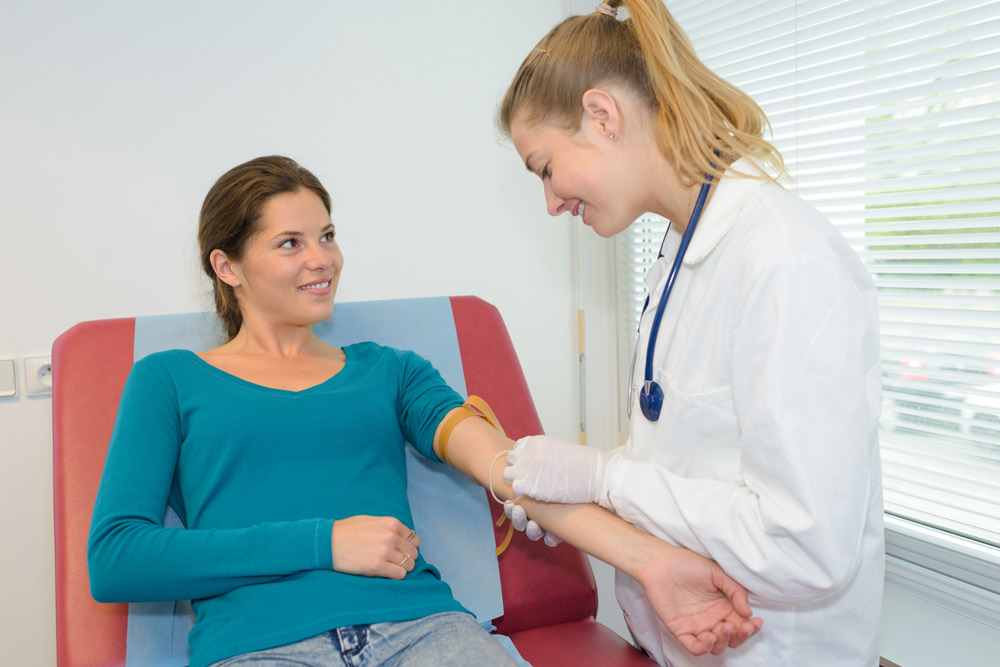
How to Obtain Your phlebotomist Certificate: A Step-by-Step Guide to Starting Your Healthcare Career
Embarking on a career as a certified phlebotomist is an excellent choice for those passionate about healthcare and patient interaction. This comprehensive guide walks you thru the critical steps to obtain your phlebotomist certificate, ensuring you are well-prepared to enter this rewarding field.Whether you’re just starting or looking to advance your healthcare career, understanding the certification process is vital for success.
Introduction
Phlebotomy is a crucial component of the healthcare industry, involving the collection of blood samples for testing and diagnostics. Becoming a certified phlebotomist not only boosts your employability but also enhances your credibility in healthcare settings. This article provides an actionable, step-by-step approach to help you navigate the path toward earning your phlebotomist certificate, ensuring a smooth transition from training to employment.
Why Become a Certified phlebotomist?
- High Demand: The healthcare industry consistently seeks qualified phlebotomists due to rising patient volumes and laboratory testing needs.
- Competitive Salary: Certification can lead to higher wages and better job opportunities.
- Career Advancement: Certifications open doors for specialization, supervisory roles, or further healthcare education.
- Professional Credibility: Certification validates your skills and commitment to safety and professionalism.
Step 1: Meet the Basic Requirements
Before starting your journey toward certification, ensure you meet the basic prerequisites, which typically include:
- Being at least 18 years old
- Having a high school diploma or GED
- Possessing basic math and communication skills
- Passing a background check and health screenings (varies by state)
Step 2: Enroll in a Certified Phlebotomy Training Program
The next crucial step is to undertake formal training through an accredited phlebotomy program. These programs are designed to teach essential skills, safety protocols, and hands-on experience.
Types of Training Programs
- Community colleges offering certificate courses
- Professional vocational schools
- Online programs combined with clinical practice
What to Look for When Choosing a Program
- Program accreditation (check with organizations like CCPT or ASPT)
- Size and content of clinical practice hours
- Program reputation and graduate success rates
- Cost and duration of the course
Step 3: Complete Your Phlebotomy Training and Clinical Practice
Most certification programs mandate a specific number of training hours, including classroom instruction and hands-on practice. Typically, programs require:
| Component | Hours | Description |
|---|---|---|
| Theoretical Classes | 40-60 hours | Basics of anatomy, blood collection procedures, safety protocols |
| Practical Experience | 40-80 hours | Supervised blood draws, patient interactions |
| Final Assessment | – | Written and practical exams to demonstrate competency |
Step 4: prepare for and pass the Certification Exam
After completing your training, you’ll need to pass a certification exam. The most recognized certifying agencies include:
- american Society for Clinical Pathology (ASCP)
- National Phlebotomy Association (NPA)
- American Medical Technologists (AMT)
Preparation tips:
- Review your course materials thoroughly
- Use practice exams to familiarize yourself with the test format
- Focus on safety procedures, specimen handling, and patient communication
Step 5: Obtain Your Phlebotomist Certificate
Upon passing the exam, you’ll receive your official certification card or license, depending on your state’s regulations. This credential confirms you are qualified to work as a professional phlebotomist.
Step 6: Seek Employment and Gain Practical Experience
With your certification in hand,start applying for phlebotomist positions in:
- Hospitals
- Clinics and outpatient facilities
- Laboratories
- Private practices
Practical experience is invaluable,so consider internships or entry-level roles to refine your skills and advance your career.
Benefits of Becoming a Certified Phlebotomist
- Improved job prospects and employability
- Potential for higher salary
- Opportunities for specialization, such as pediatric or arterial blood draws
- Enhanced patient care skills and professional growth
Practical Tips for Aspiring Phlebotomists
- Start early: Research accredited programs in advance to meet deadlines.
- Practice regularly: Enhance your skills through simulated practice or volunteering.
- Network: connect with experienced professionals for mentorship and advice.
- Stay informed: Keep up-to-date with new procedures and regulations in the healthcare industry.
Case Study: Successful Transition to a Certified Phlebotomist
Emily, a recent graduate, enrolled in an accredited vocational school after meeting basic requirements. She completed her training in three months, including 50 hours of clinical practice. After passing her certification exam, Emily secured a position at a local hospital within two weeks. Her certification boosted her confidence and earning potential, and she now aspires to specialize further in pediatric phlebotomy.
Conclusion
Becoming a certified phlebotomist is a strategic and fulfilling step toward a career in healthcare. By following the outlined steps—meeting prerequisites, enrolling in accredited training, gaining hands-on experience, passing certification exams, and seeking employment—you’ll be well on your way to making a meaningful difference in patients’ lives. Remember, dedication and continual learning are key to thriving in this dynamic field. Start your journey today and unlock the door to a rewarding healthcare career as a certified phlebotomist!