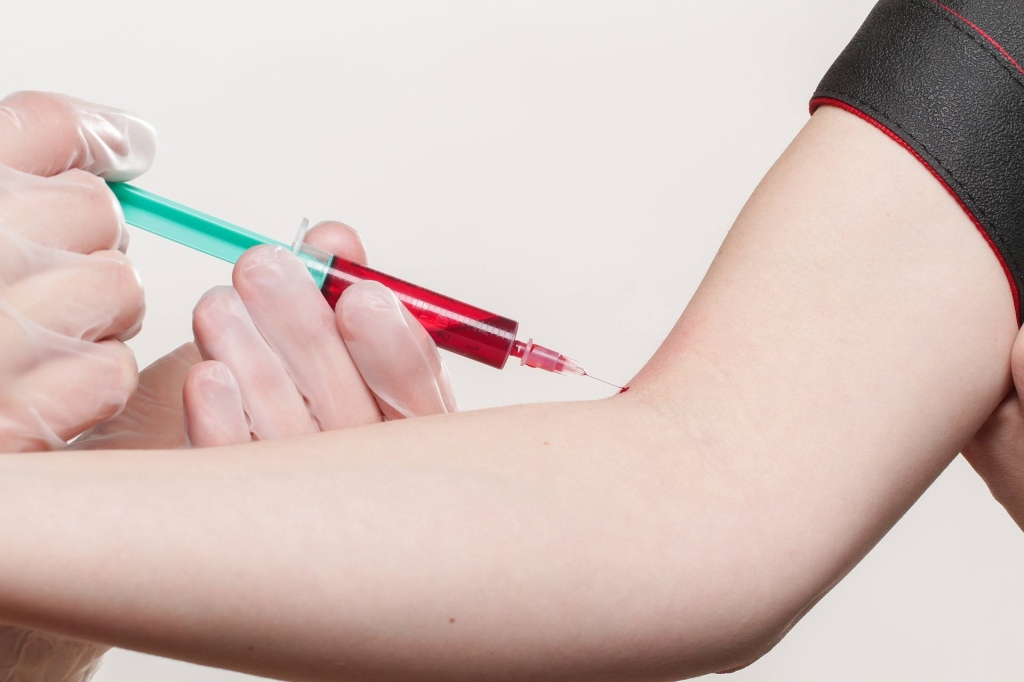
How to Get Certified for Phlebotomy: Your Complete Guide to Certification Success
Embarking on a career in phlebotomy starts with a solid certification. whether you’re just starting out or seeking to advance, getting certified demonstrates your competence, boosts job prospects, and helps you stand out in a competitive healthcare job market. In this comprehensive guide, you’ll learn what phlebotomy certification is, how to become eligible, where to study, how to prepare for exams, and how to maintain your credentials over time. Let’s walk through a proven path to certification success.
What is phlebotomy certification and why it matters
Phlebotomy certification is a formal recognition from an accredited certifying body that you have met specific knowledge and skill requirements to collect blood samples safely and accurately. Certification matters for several reasons:
- Improved employability: Many employers prefer or require certified phlebotomists.
- Professional credibility: Certification validates your ability to perform venipuncture and specimen handling to standard guidelines.
- Career advancement: Certification can unlock higher-level roles, more responsibilities, and better pay.
- Safety and quality: Certification emphasizes safety, infection control, patient care, and QA practices.
Key eligibility and training considerations
Education and prerequisites
Most certifying bodies require:
- At least a high school diploma or GED
- Completion of a approved phlebotomy training program or equivalent clinical experience
- Background check and immunizations may be required by employers or state boards
Training options
Phlebotomy training programs vary by format and duration. Common options include:
- In-person vocational or community college programs with hands-on skills labs
- Hybrid programs combining online coursework with on-site clinical practice
- Certificate programs focused specifically on phlebotomy for healthcare support roles
When evaluating programs, consider:
- Accreditation and alignment with certifying bodies
- Hands-on clinical externship opportunities
- Program length, tuition, and job placement support
- Reviews from former students and success rates on exams
Major phlebotomy certification options
Several reputable organizations offer phlebotomy certification. The most widely recognized include:
- ASCP BOC - Certified Phlebotomy Technician (CPT)
- National Healthcareer Association (NHA) – Phlebotomy Certification
- American Medical Technologists (AMT) – Phlebotomy Technician Certification
Note that certification availability,eligibility requirements,exam formats,and renewal rules may vary by certifying body and state. Always verify current details on the official sites before applying.
ASCP BOC - Certified Phlebotomy technician (CPT)
The ASCP Board of Certification is a well-respected option for phlebotomists. Their CPT credential emphasizes core phlebotomy skills, specimen handling, safety, and compliance with laboratory standards. Typical eligibility paths include completion of an accredited phlebotomy program and practical clinical experience.
NHA – Phlebotomy Certification
The National Healthcareer Association offers a phlebotomy certification designed to validate essential blood collection competencies. NHA’s program commonly requires completing a qualifying training program and passing a national exam that covers patient care, collection techniques, and safety.
AMT - Phlebotomy Technician Certification
AMT provides a phlebotomy technician certification for professionals who have completed an approved program and clinical exposure. This certification is recognized by many healthcare facilities and tends to emphasize real-world clinical performance, sterility, and patient interaction.
Steps to apply for phlebotomy certification
While steps vary by certifying body, a typical path looks like this:
- Complete an accredited phlebotomy training program with clinical externship hours.
- Choose a certifying body (ASCP BOC,NHA,AMT,or other regional options) based on your location and career goals.
- Confirm eligibility with the certifying body’s official requirements (education, clinical hours, background checks).
- Submit an application and pay the exam fee.
- Schedule and pass the certification examination at an approved testing centre or online proctoring environment.
- recieve your certification and begin or advance your phlebotomy career.
Exam preparation: study strategies and resources
Preparing effectively is the cornerstone of certification success. Here are practical tips to help you study efficiently and pass on the first attempt.
- Review official exam content outlines: Start with the certifying body’s stated domains and competencies.
- Use a structured study plan: Allocate time for anatomy, physiology, venipuncture techniques, blood specimen handling, safety and infection control, equipment, order of draw, and QA concepts.
- Practice with multiple-choice questions: Use official practice exams and reputable question banks to build familiarity with exam style.
- Attend hands-on labs or simulations: practice vein selection,tourniquet application,aseptic technique,and proper tube labeling.
- Form study groups: Explaining concepts to peers reinforces your own understanding.
- Take care of logistics: Ensure you no the exam location, parking, required IDs, and testing center rules to avoid last-minute stress.
Examples of core topics to study
- Vein anatomy and common collection sites
- Order of draw and tube additive significance
- Venipuncture technique and needle safety
- Specimen collection, labeling, and transport requirements
- infection control and patient safety (gloving, hand hygiene, PPE)
- Quality control and specimen integrity
- Communication with patients, especially anxious or pediatric individuals
- Emergency procedures and error prevention
Practical tips for success on exam day
- Arrive early with all required documents and a calm mindset.
- review basic information the night before (key safety steps and primer concepts).
- Read each question carefully, eliminate obviously incorrect options, and manage your time.
- Trust your hands-on training: Your clinical experience is often the strongest predictor of success.
- If you don’t know an answer, mark it and return later if time allows.
Clinical experience and hands-on skills
Clinical externships or practicum experiences are typically required for certification. Thes hands-on hours help you demonstrate:
- Proper venipuncture technique and patient interaction
- Correct tube labeling, specimen handling, and transport procedures
- Equipment safety and sharps disposal
- Adherence to worldwide precautions and infection control protocols
Plan ahead to secure externship placements through your training program or local healthcare facilities. Strong clinical performance can also be a compelling part of your resume when seeking employment after certification.
Maintaining and renewing your phlebotomy certification
Certification is not a one-and-done achievement. Most certifying bodies require renewal every few years and continuing education (CE) credits to stay current. Renewal typically involves:
- Submitting proof of continued education related to phlebotomy and patient care
- Paying renewal fees and updating personal information
- Sometimes completing a refresher course or re-examination, depending on the certifying body
Tips for smooth renewal:
- Keep a running log of CE activities and certificates.
- Choose employers or roles that help you access official CE opportunities.
- Set renewal reminders a few months before expiration.
Case studies and first-hand experience
Real-world stories can illuminate the certification journey. Here are two compact, anonymized examples that illustrate common paths to success.
Case Study 1: Maria’s pathway to ASCP BOC CPT
Maria completed a 12-week on-campus phlebotomy program with a robust clinical externship. She then applied for the ASCP BOC CPT exam, submitting her program completion certificate and proof of clinical hours. She studied using the program’s outline, joined a study group, and practiced venipuncture techniques under supervision. After passing the CPT exam on her first attempt,she landed a phlebotomy technician role in a busy hospital lab within two months.
case Study 2: James’s route via NHA and continuing education
James chose the National Healthcareer Association certification route after researching multiple bodies. He completed an online+in-person hybrid phlebotomy program,collected the required clinical hours,and scheduled the NHA exam. He studied with practice tests and leveraged employer-provided CE opportunities post-certification to maintain his credential. James recently transitioned from a hospital setting to a regional blood-draw outreach program,supported by his ongoing CE activities.
Quick reference: certification options at a glance
| Certifying Body | Certification Name | Typical Eligibility | Exam Format | Renewal/CE |
|---|---|---|---|---|
| ASCP BOC | Certified Phlebotomy Technician (CPT) | Complete an accredited phlebotomy program with clinical hours | Multiple-choice,computer-based | renewal with continuing education credits |
| NHA | Phlebotomy Certification | Completion of a qualifying program and clinical experience | Computer-based,multiple-choice | Renewal through CE requirements |
| AMT | Phlebotomy Technician Certification (PBT) | Graduated from an approved program with clinical practice | Computer-based,multiple-choice | CE requirements for recertification |
Practical tips to maximize your certification journey
- Choose a program that aligns with your target certification body to minimize gaps between training and exam requirements.
- Engage in early clinical exposure to build confidence and refine your technique.
- Utilize official study guides, practice exams, and online forums to clarify tricky topics.
- Network with peers and mentors who have recently earned certification to gain insider tips.
- Keep patient safety and empathy at the forefront-excellent soft skills complement technical prowess.
Frequently asked questions
- Is phlebotomy certification required to work as a phlebotomist? Requirements vary by state and employer. Certification is highly recommended and often preferred.
- Can I get certified online? Training can be online or hybrid, but most certifying bodies require documented clinical hours to qualify for the exam.
- How long does it take to become certified? Typical pathways range from 2 to 9 months, depending on program length and scheduling of the exam.
- What if I fail the exam? Most certifying bodies offer retake windows and study recommendations; review the feedback and retake with renewed preparation.
Conclusion: your roadmap to phlebotomy certification success
Phlebotomy certification is a solid investment in your healthcare career.By choosing a reputable certifying body, completing a quality training program with hands-on clinical hours, and preparing strategically for the exam, you’ll be well-positioned to earn your credential and thrive in a patient-focused role. Remember to stay current with CE requirements,seek practical experiences,and leverage support from your training program,employer,and peers. With determination,careful planning,and smart study habits,certification success is within reach-and it can open doors to fulfilling opportunities in hospitals,clinics,blood banks,and outreach programs.
If you’re ready to start, map out your path today: pick a certifying body, enroll in a vetted phlebotomy program, collect clinical hours, and prepare using official outlines and practice questions. Your future as a certified phlebotomy technician begins with the decision to take that next step.