essential Phlebotomist Training Requirements: How to Start Your Healthcare Career
Starting a career in healthcare as a phlebotomist is an excellent choice for those interested in medical labs, patient care, and the vital role of blood collection. proper training and understanding of the requirements are crucial steps toward becoming a certified and competent phlebotomist.In this comprehensive guide, we’ll explore the essential phlebotomist training requirements, certification pathways, practical tips, and how to launch your triumphant healthcare career in this rewarding field.
Introduction
Phlebotomists play a vital role in the medical diagnostic process by collecting blood samples for testing, transfusions, donations, and research. As demand for healthcare services grows, so does the need for qualified professionals in this field. Whether you’re just starting out or considering a career transition, understanding the training requirements and steps involved is key to establishing a successful healthcare career as a phlebotomist.
Understanding the Role of a Phlebotomist
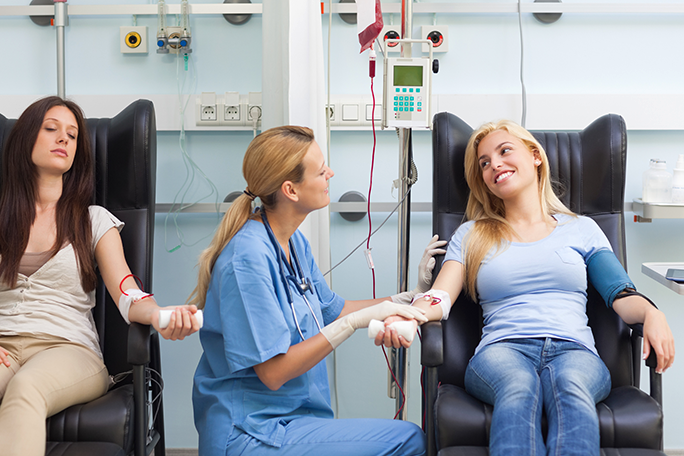
Before diving into training requirements, it’s helpful to understand what a phlebotomist does daily:
- Collect blood samples from patients using proper techniques
- label and prepare specimens for laboratory analysis
- Maintain a clean and safe working habitat
- Interact with patients to ensure comfort and reduce anxiety
- Follow safety protocols and regulations
Essential Phlebotomist Training Requirements
1. Minimum Education Level
Most employers require phlebotomists to have at least a high school diploma or GED. However, pursuing further education, such as post-secondary courses or certifications, can enhance job prospects and earning potential.
2. Formal Training Programs
Completing a recognized phlebotomy training program is a critical step. These programs are typically offered by community colleges, vocational schools, and healthcare institutions. The training usually covers:
- Basic anatomy and physiology
- Blood collection techniques
- safety procedures and OSHA regulations
- Patient interaction and communication skills
- Specimen handling and processing
3.Certification Requirements
While certification is not mandatory in all states, obtaining a professional certification substantially boosts your credibility and employability. The most recognized certifying bodies include:
- American Society for Clinical Pathology (ASCP) – Certified Phlebotomy Technician (CPT)
- National Healthcareer Association (NHA) – Certified Phlebotomy Technician (CPT)
- American Medical Technologists (AMT) – Registered Phlebotomy Technician (RPT)
4. Practical Experiance and Externships
Many training programs include hands-on practice or externships, providing real-world experience essential for certification exams and job readiness. This practical component helps develop confidence and improves your technical skills.
5. Background Checks and Immunizations
Some states and employers require background checks, drug screening, and immunizations (e.g., hepatitis B) before you begin working as a phlebotomist.
Benefits of Becoming a certified Phlebotomist
- High demand for healthcare workers leading to good job stability
- Competitive salary with opportunities for advancement
- Flexible work settings including hospitals, clinics, and labs
- Opportunities to specialize in areas like pediatrics, geriatrics, or donor centers
Practical Tips for Aspiring Phlebotomists
- Choose accredited training programs to ensure comprehensive education
- Practice your skills diligently during externships
- Prepare thoroughly for certification exams using study guides and practice tests
- Develop excellent communication skills to handle diverse patient populations
- Stay updated on OSHA and CDC safety standards
Case Studies: Success Stories in Phlebotomy
| Candidate | Training Path | Outcome |
|---|---|---|
| Jane D. | Certified at Community College | Secured a hospital job within 2 months |
| Mark S. | Online training + externship | Earned NHA certification,now a senior technician |
| lisa R. | State-approved program | Specialized in pediatric phlebotomy, advanced career opportunities |
Conclusion
Embarking on a career as a phlebotomist can be highly rewarding and offers numerous growth opportunities within the healthcare sector. By meeting the essential training requirements—completing accredited programs, obtaining certification, and gaining practical experience—you set a solid foundation for a successful career. Remember, continuous learning and professional growth will keep you at the forefront of this vital healthcare role.If you’re passionate about helping others and looking for a stable, meaningful career, start your journey today by understanding and fulfilling the essential phlebotomist training requirements.