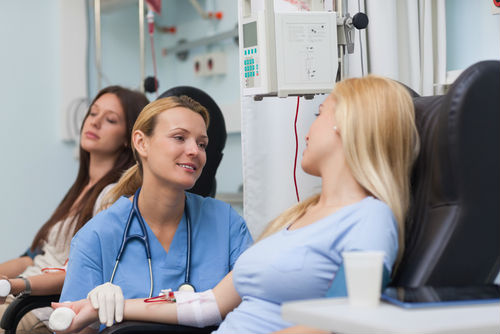
Earn Your Anderson Phlebotomy Certification: A Complete guide to launching Your Healthcare Career
Introduction
Embarking on a career in healthcare can be both exciting and rewarding, especially in roles that demand precision and compassion like phlebotomy. If your considering a future as a certified phlebotomist, earning your Anderson Phlebotomy Certification is a meaningful step toward opening doors to numerous healthcare opportunities. This extensive guide provides you with everything you need to know about how to earn your Anderson certification, from prerequisites and training to practical tips and real-world insights. Let’s dive into the journey to becoming a certified phlebotomist and start building your healthcare career today!
What is Anderson phlebotomy Certification?
The Anderson Phlebotomy Certification is a nationally recognized credential that certifies individuals as qualified phlebotomy technicians. Administered through the Anderson Healthcare Academy or similar accredited programs, this certification validates your skills in drawing blood, following safety protocols, and interacting professionally with patients. obtaining this certification not only enhances your credibility but also makes you more competitive in the job market.
Why pursue Anderson’s certification over others? Due to Anderson’s reputation for rigorous training, comprehensive coursework, and excellent industry connections, it’s a top choice for aspiring phlebotomists seeking quality education and credentialing in the healthcare field.
Requirements to Earn Your Anderson Phlebotomy Certification
before applying for your Anderson phlebotomy certification, ensure you meet the following prerequisites:
- High school diploma or GED: A basic educational qualification.
- Completed a certified phlebotomy training program: Usually 40–80 hours of classroom and practical lab training.
- Practical blood collection experience: Successful completion of a minimum number of blood draws under supervision.
- CPR certification: Basic Life Support (BLS) certification is often required.
Once these requirements are met, you can proceed with the submission process for the Anderson certification exam.
Training and Educational Pathways for anderson Phlebotomy Certification
Official Anderson Phlebotomy Training Program
Enrolling in an accredited Anderson-approved phlebotomy training program ensures you receive the right education and hands-on experience necessary for certification. These programs typically cover:
- Anatomy and physiology related to blood collection
- Proper venipuncture techniques
- Infection control and safety protocols
- Patient interaction and dialog skills
Additional Educational Options
If you’re looking for adaptability, consider online courses combined with in-person practical sessions. Many institutions offer hybrid programs that meet the requirements of Anderson certification.
*Tip:* Verify that the program is approved by Anderson or recognized by the national Healthcareer Association (NHA) to ensure your training counts toward certification eligibility.
How to Apply and Prepare for the Anderson Phlebotomy Certification Exam
Application Process
Follow these essential steps to apply for your certification:
- Complete your training program and obtain proof of completion
- Gather documentation of practical blood draws
- Ensure CPR certification is up to date
- Fill out the official application form from Anderson or the certifying agency
- Pay the required exam fee
- Schedule your exam at an approved testing center
Exam Readiness Tips
Preparing thoroughly is key to passing your Anderson certification exam. here are some practical tips:
- Review training materials and practise blood draw techniques
- Take practice exams to familiarize yourself with the question format
- Join study groups or online forums for peer support
- Focus on infection control, safety protocols, and patient communication
- Ensure your CPR certification remains valid during exam time
Once you pass the exam, you receive your official Anderson Phlebotomy Certification, unlocking new professional opportunities in healthcare settings like clinics, hospitals, and labs.
Benefits of Earning Your Anderson Phlebotomy Certification
- Enhanced employability: Many employers prefer certified phlebotomists from reputable programs like Anderson.
- Higher earning potential: Certification can lead to better salaries and advancement opportunities.
- Professional recognition: Demonstrates your commitment to excellence and patient care.
- Job flexibility: Opportunities across diverse healthcare settings, including mobile phlebotomy and outpatient clinics.
- Continuing education: Certification frequently enough opens paths for advanced certifications and specializations.
Practical Tips for a Successful Phlebotomy Career
- Gain hands-on experience: Seek internships or entry-level positions to refine your skills.
- Stay current on safety protocols: Regularly update your CPR and infection control knowledge.
- Develop excellent patient interaction skills: Compassion and professionalism matter greatly in healthcare.
- Network within the healthcare community: Join professional associations like the National Phlebotomy Association.
- Maintain certification requirements: Complete required continuing education credits periodically.
Applying these practical tips will help you thrive as a certified phlebotomist and grow your healthcare career.
Real-World Success stories
| Name | Background | Career Milestone |
|---|---|---|
| Jane D. | Nursing assistant seeking specialization | Earned Anderson Phlebotomy Certification and became a lead phlebotomist at a regional hospital |
| Mike S. | Recent graduate with biology degree | Secured a job at a major diagnostic lab after certification |
| Lisa P. | Healthcare worker transitioning careers | Built a successful career as a mobile phlebotomist with flexible hours |
These stories exemplify how earning your Anderson certification can open diverse pathways within healthcare.
First-Hand Experience: What It’s Like to Be a Certified Phlebotomist
Many certified phlebotomists describe their work as both challenging and rewarding. The role requires precision, patience, and genuine care for patients. Whether drawing blood in a busy hospital or working in outpatient clinics, certified phlebotomists play a vital role in diagnostics and patient health outcomes. Hands-on training and certification equip professionals with the skills needed to handle various scenarios confidently, ensuring patient safety and comfort.
Conclusion
Becoming a certified phlebotomist through the Anderson program is a strategic step toward launching a successful healthcare career. By understanding the certification requirements, choosing the right training pathway, and preparing diligently for the exam, you set yourself up for professional growth and fulfillment. The demand for skilled phlebotomists continues to rise, making this a promising career choice for those interested in healthcare, patient interaction, and vital diagnostics. Start your journey today—earn your Anderson Phlebotomy Certification and take the first step toward making a meaningful difference in patients’ lives while advancing your career.