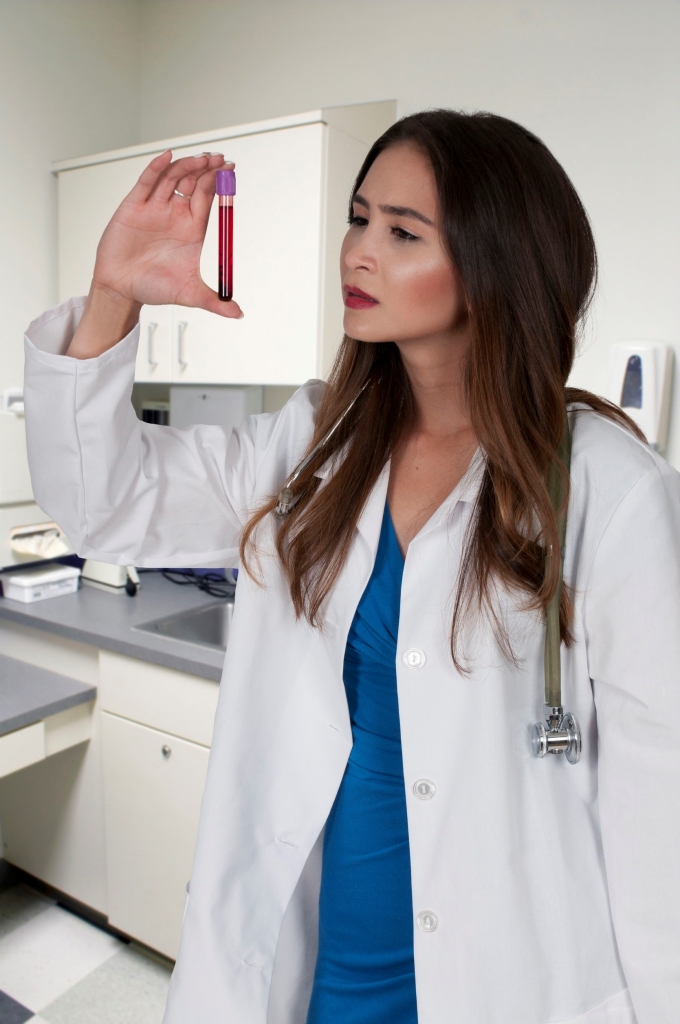
How Much Do Phlebotomists Earn Per Hour? A Complete Guide to Pay, Trends, and Salary Insights
If you’re considering a career as a phlebotomist or you’re already in the field, understanding the earning potential is crucial. In this comprehensive guide, we’ll explore how much phlebotomists typically earn per hour, delve into salary trends, factors influencing pay, and provide practical tips to help you maximize your earnings in this vital healthcare role.
Introduction to Phlebotomy and Its importance
Phlebotomy is a healthcare profession focused on drawing blood for medical testing, transfusions, donations, or research. this role is essential in diagnosing health conditions, ensuring safe blood supplies, and supporting medical research. As the demand for healthcare services grows, so does the need for qualified phlebotomists. Understanding their earning potential can help aspiring professionals make informed career choices.
Average Hourly Earnings for Phlebotomists
One of the most common questions is,how much do phlebotomists earn per hour? The answer varies based on geography,experience,certifications,and workplace settings.Here’s a detailed overview:
| Region | Average Hourly Wage | Range of pay |
|---|---|---|
| United States | $15.50 - $20.00 | $12.00 – $25.00 |
| Canada | C$16.00 - C$22.00 | C$14.00 - C$25.00 |
| United Kingdom | £9.50 – £13.50 | £8.00 – £15.00 |
Factors Influencing Phlebotomist Salaries
1. Experience and Skill level
Like many healthcare roles,experience significantly impacts phlebotomy wages. Entry-level phlebotomists typically start with lower pay, while seasoned professionals with several years of experience or specialized skills can command higher hourly rates.
2. Certifications and Education
holding certifications such as the Certified Phlebotomy Technician (CPT) boosts earning potential. Advanced certifications or additional training in areas like pediatric or arterial blood sampling can further increase hourly wages.
3. Geographic Location
Wages vary widely based on the region. Urban areas with higher living costs tend to offer better pay than rural locations. For example, phlebotomists in metropolitan cities often earn more per hour than those in small towns.
4. Work Setting
Phlebotomists work in various environments including hospitals, clinics, blood donation centers, and laboratories. Hospital-based phlebotomists may earn more than those working in outpatient or mobile settings.
5. Full-Time vs. Part-Time
Full-time phlebotomists generally have higher annual and hourly income compared to part-time workers, although hourly rates may be similar.
Salary Trends and Career Growth
The demand for trained phlebotomists is expected to grow steadily due to an aging population and increased healthcare needs. According to the Bureau of Labor Statistics (BLS), employment for phlebotomists is projected to increase by 10% from 2020 to 2030, faster than the average for all occupations. This growth directly influences salary trends, with wages rising as the profession becomes more competitive and specialized.
Current Salary Insights
- Median annual salary: Approximately $36,000
- Average hourly wage: Around $17.00
- Top earners in high-demand regions: Up to $25.00 per hour
Practical Tips to increase Your Earnings as a Phlebotomist
- Obtain Certification: Certifications like CPT can lead to higher pay.
- Gain Experience: more years on the job increase your earning potential.
- Specialize: Training in advanced techniques or working with arduous populations makes you more valuable.
- Work in high-Demand areas: Urban or metropolitan centers tend to pay more.
- Seek Employment in Private Clinics or Hospitals: These often provide higher wages compared to smaller outpatient clinics.
Case Studies: Real-Life Phlebotomist Earnings
Case Study 1: Emily, Entry-Level Phlebotomist in california
Emily recently completed her CPT certification and obtained her frist job at a large hospital in Los Angeles. she earns $20.00 per hour, which is above the national average due to California’s high cost of living and demand for healthcare workers. Her experience continues to grow,and she plans to pursue advanced certification to increase her pay further.
Case Study 2: James, Senior Phlebotomist in Texas
James has over 10 years of experience working in outpatient and mobile blood donation centers in Houston. He earns $22.50 per hour, leveraging his expertise and specialized skills.James notes that flexibility and continuous learning are key to his earning growth.
First-Hand Experience: Insights from a Certified Phlebotomist
“Working as a phlebotomist is rewarding, especially when you can see the direct impact of your work on patient health,” shares Sarah, a certified phlebotomist with 5 years of experience. ”While the hourly pay is decent, expanding your skills and certifications can significantly boost your income. Additionally,working in high-demand urban areas and hospitals tends to offer the best pay.”
Conclusion
Understanding how much phlebotomists earn per hour is vital for those considering this career path or seeking to advance within it. Currently, the average hourly wage ranges from $15.50 to $20.00 in the US,with potential to earn more based on experience,certifications,and location. As the healthcare industry continues to grow, so do opportunities for higher wages and career progress in phlebotomy.By gaining relevant skills, certifications, and choosing high-demand workplaces, you can maximize your earning potential and enjoy a fulfilling career in healthcare.
Whether you’re starting your journey or looking to increase your current earnings, staying informed about industry trends and continuously enhancing your skills will ensure you remain competitive and well-compensated in this essential medical profession.