**Title: Comprehensive Guide to Phlebotomy Methods: Techniques, Tools, and Tips**
**Introduction:**
Phlebotomy, the practice of drawing blood from patients for diagnostic tests, transfusions, or donations, is a crucial skill in the medical field. There are several different methods and techniques used in phlebotomy, each with its own advantages and best practices. In this comprehensive guide, we’ll delve into the various phlebotomy methods, tools, and tips to provide a comprehensive overview of this essential medical procedure.
**Understanding Phlebotomy Methods:**
Phlebotomy methods refer to the techniques used to collect blood specimens from patients. There are several common methods used in phlebotomy, each suitable for different situations or patient needs. Let’s explore some of the most commonly used phlebotomy methods:
1. **Venipuncture:** This is the most common method of blood collection, involving the puncture of a vein with a needle. Venipuncture is typically used for routine blood tests and can be performed on most patients.
2. **Capillary Puncture:** In this method, blood is collected from the capillaries just beneath the skin’s surface, often using a lancet. Capillary puncture is commonly used for pediatric patients, elderly patients, or patients with fragile veins.
3. **Arterial Puncture:** Reserved for specialized tests, arterial puncture involves collecting blood from an artery, usually the radial artery in the wrist. This method requires specific training and is used in certain diagnostic procedures.
4. **Butterfly Needle:** Also known as a winged infusion set, the butterfly needle is a smaller needle attached to flexible wings that make it easier to maneuver and ideal for patients with difficult veins.
**Phlebotomy Tools and Equipment:**
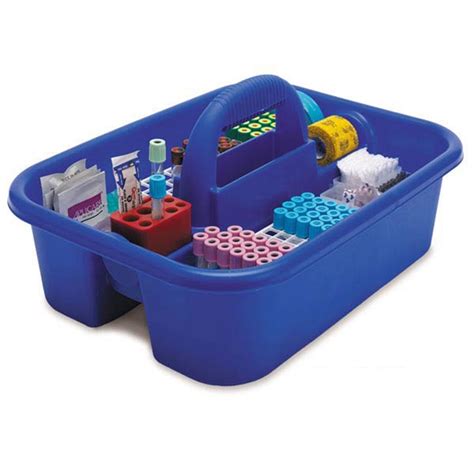
To perform phlebotomy effectively, phlebotomists require a range of tools and equipment. Some essential tools commonly used in phlebotomy include:
– **Vacutainer Tubes:** These tubes are used to collect blood specimens and come in different colors to indicate the type of test to be performed.
– **Needles:** Phlebotomy needles come in various sizes and gauges, suitable for different patient needs.
– **Alcohol Swabs:** Used for disinfecting the puncture site before blood collection to prevent infections.
– **Tourniquet:** A tourniquet is used to apply pressure to the vein, making it easier to locate and puncture.
**Benefits of Different Phlebotomy Methods:**
Each phlebotomy method offers unique benefits and is suited to different patient populations or situations. Understanding the advantages of each method can help phlebotomists choose the most appropriate technique for each patient. Some benefits of different phlebotomy methods include:
– **Venipuncture:** Suitable for most patients and allows for the collection of larger blood volumes.
– **Capillary Puncture:** Ideal for patients with fragile veins, pediatric patients, or elderly patients.
– **Arterial Puncture:** Provides access to arterial blood for specialized tests that require arterial blood samples.
– **Butterfly Needle:** Easier to maneuver and ideal for patients with difficult veins, such as elderly or pediatric patients.
**Practical Tips for Successful Phlebotomy:**
To ensure successful and safe blood collection, phlebotomists should follow best practices and guidelines. Some practical tips for successful phlebotomy include:
1. **Patient Identification:** Always verify the patient’s identity before collecting blood to prevent errors.
2. **Preparing Equipment:** Ensure all phlebotomy tools and equipment are sterile and ready for use.
3. **Proper Technique:** Follow proper phlebotomy techniques, including selecting the right method and using proper needle insertion angles.
4. **Patient Comfort:** Communicate effectively with patients, explain the procedure, and address any concerns to ensure patient comfort.
**Conclusion:**
Phlebotomy is an essential procedure in the medical field, requiring knowledge of various methods, tools, and techniques. By understanding the different phlebotomy methods and following best practices, phlebotomists can perform blood collection safely and effectively. Remember to consider the benefits of each method, use the appropriate tools, and follow practical tips for successful phlebotomy. With proper training and expertise, phlebotomists play a vital role in patient care and diagnostic testing.