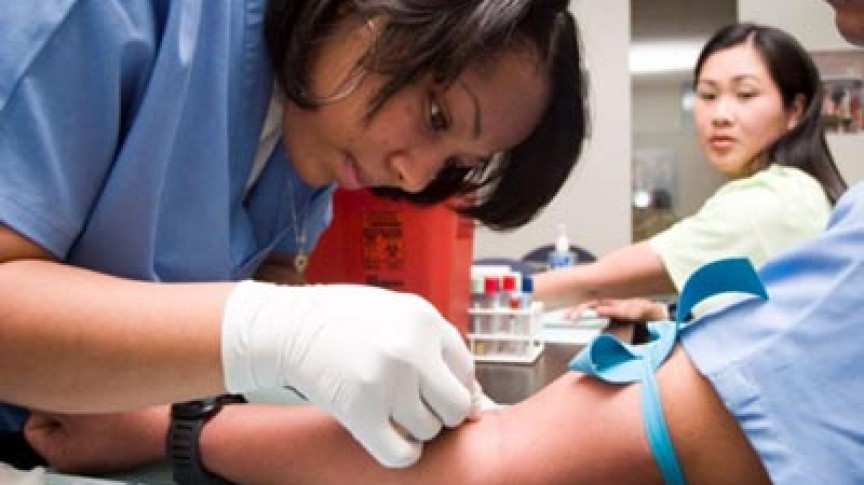
**Title: The Importance of Phlebotomy Competency in Healthcare**
**Introduction:**
Phlebotomy is a crucial aspect of healthcare that involves the collection of blood samples for various diagnostic tests, transfusions, and research purposes. Phlebotomy competency refers to the knowledge, skills, and abilities required for phlebotomists to perform their job effectively and safely. In this article, we will explore the significance of phlebotomy competency in healthcare settings, the key components of phlebotomy competency, and how healthcare professionals can enhance their competency in this field.
**Benefits of Phlebotomy Competency:**
1. **Patient Safety:** Competent phlebotomists ensure that blood samples are collected accurately and safely, reducing the risk of patient injuries and complications.
2. **Reliable Test Results:** Proper phlebotomy techniques lead to high-quality blood samples, which are essential for accurate and reliable test results.
3. **Efficiency:** Competent phlebotomists are able to collect blood samples quickly and efficiently, minimizing patient discomfort and wait times.
4. **Professionalism:** Phlebotomy competency reflects a high level of professionalism and commitment to delivering quality care to patients.
5. **Career Advancement:** Having the necessary skills and knowledge in phlebotomy can open up opportunities for career advancement and specialization in the healthcare field.
**Key Components of Phlebotomy Competency:**
1. **Anatomy and Physiology:** Understanding the anatomy and physiology of the circulatory system is essential for identifying appropriate veins for blood collection.
2. **Infection Control:** Following proper infection control protocols helps prevent the spread of infections and ensures a safe working environment.
3. **Patient Interaction:** Effective communication and bedside manner are important for building trust with patients and ensuring a positive experience during blood collection.
4. **Blood Collection Techniques:** Mastery of various blood collection techniques, such as venipuncture and capillary puncture, is essential for successful blood sample collection.
5. **Labeling and Handling:** Proper labeling and handling of blood samples are critical to prevent errors in sample identification and ensure accurate test results.
6. **Quality Assurance:** Understanding quality assurance principles and protocols helps maintain the integrity and accuracy of blood samples throughout the testing process.
**Practical Tips for Enhancing Phlebotomy Competency:**
1. **Continuing Education:** Stay updated on the latest trends and practices in phlebotomy through continuing education courses, workshops, and certifications.
2. **Practice Makes Perfect:** Regular practice and hands-on experience can help improve your phlebotomy skills and confidence.
3. **Seek Feedback:** Request feedback from experienced phlebotomists and healthcare professionals to identify areas for improvement and growth.
4. **Stay Calm Under Pressure:** Develop strategies to manage stress and anxiety during high-pressure situations to maintain focus and accuracy during blood collection.
5. **Professional Development:** Take advantage of professional development opportunities, such as conferences and seminars, to expand your knowledge and skills in phlebotomy.
**Case Study:**
In a recent study conducted at a healthcare facility, phlebotomists who underwent competency training and assessment showed a significant improvement in blood collection success rates and patient satisfaction. The study highlighted the importance of ongoing competency training in enhancing the quality of phlebotomy services and improving patient outcomes.
**Conclusion:**
Phlebotomy competency is a vital aspect of healthcare that ensures the safe and accurate collection of blood samples for diagnostic purposes. By investing in ongoing training and development, healthcare professionals can enhance their competency in phlebotomy and provide high-quality care to patients. Remember, phlebotomy competency is not just about technical skills; it also encompasses professionalism, communication, and patient-centered care. Strive to be a competent and compassionate phlebotomist to make a positive impact on patient outcomes and the healthcare system as a whole.