**Title: A Comprehensive Guide to Pursuing a Phlebotomy Career**
**Introduction:**
Are you someone who is interested in the medical field but doesn’t want to spend years in school? Have you considered a career in phlebotomy? Phlebotomists are trained professionals responsible for drawing blood from patients for various medical tests, procedures, and donations. In this guide, we will explore what a phlebotomy career entails, the necessary training and certifications, job outlook and salary potential, as well as the benefits and practical tips for those considering this rewarding career path.
**What is Phlebotomy?**
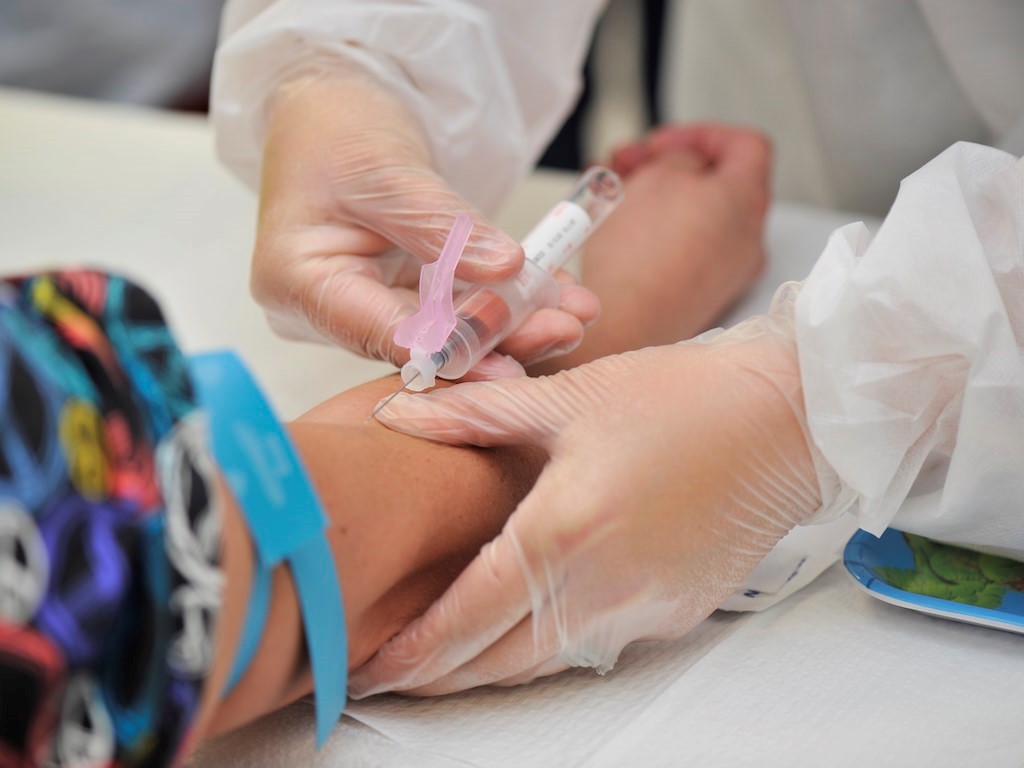
Phlebotomy is the practice of drawing blood from patients for medical testing, transfusions, donations, or research purposes. Phlebotomists are skilled professionals who are trained to collect blood samples in a safe and sanitary manner. They play a crucial role in the healthcare industry by providing accurate and reliable blood specimens for diagnostic purposes.
**Training and Certification:**
To become a phlebotomist, you will need to complete a phlebotomy training program, which can be found at community colleges, vocational schools, or medical institutes. These programs typically last from a few weeks to a few months and cover topics such as anatomy, physiology, medical terminology, and specimen collection techniques. After completing your training, you will need to pass a certification exam to become a certified phlebotomist.
**Job Outlook and Salary:**
According to the Bureau of Labor Statistics, the job outlook for phlebotomists is projected to grow 17% from 2020 to 2030, much faster than the average for all occupations. As of 2020, the median annual wage for phlebotomists was $36,480. However, salaries can vary depending on factors such as location, experience, and employer.
**Benefits and Practical Tips:**
– Flexibility: Phlebotomists often have flexible work schedules, with opportunities for full-time, part-time, or evening and weekend shifts.
– Job Satisfaction: Helping patients and playing a vital role in their healthcare journey can be incredibly rewarding.
– Continuous Learning: The medical field is constantly evolving, giving phlebotomists the opportunity to expand their knowledge and skills.
**Case Study:**
Sarah is a certified phlebotomist who works at a busy hospital in a major city. She enjoys interacting with patients and feels fulfilled knowing that her work contributes to their healthcare needs. Through her training and experience, Sarah has developed strong communication skills and a keen eye for detail. She values the continuous learning opportunities in her field and is grateful for the job stability and growth potential in phlebotomy.
**First-Hand Experience:**
If you are considering a career in phlebotomy, gaining hands-on experience through internships or volunteer work can be invaluable. It will give you a taste of what the job entails and help you decide if phlebotomy is the right path for you. Additionally, networking with professionals in the field and staying up to date on industry trends can further enhance your career prospects.
**Conclusion:**
a career in phlebotomy offers a rewarding and fulfilling path for individuals interested in the healthcare field. With the right training, certification, and dedication, you can embark on a successful career as a phlebotomist. From job stability to job satisfaction, the benefits of pursuing a phlebotomy career are plentiful. If you have a passion for helping others and a desire to make a difference in healthcare, consider exploring the possibilities in phlebotomy.