Crafting the Perfect Entry-Level Phlebotomy Resume: Tips and Templates for Success
As the healthcare industry continues to grow, the demand for skilled phlebotomists is on the rise. If you’re eager to launch your career in this rewarding field, a well-crafted resume is your ticket to standing out in a competitive job market. In this article, we’ll explore essential tips and templates to help you create the perfect entry-level phlebotomy resume that captures the attention of hiring managers.
Understanding the Role of a Phlebotomist
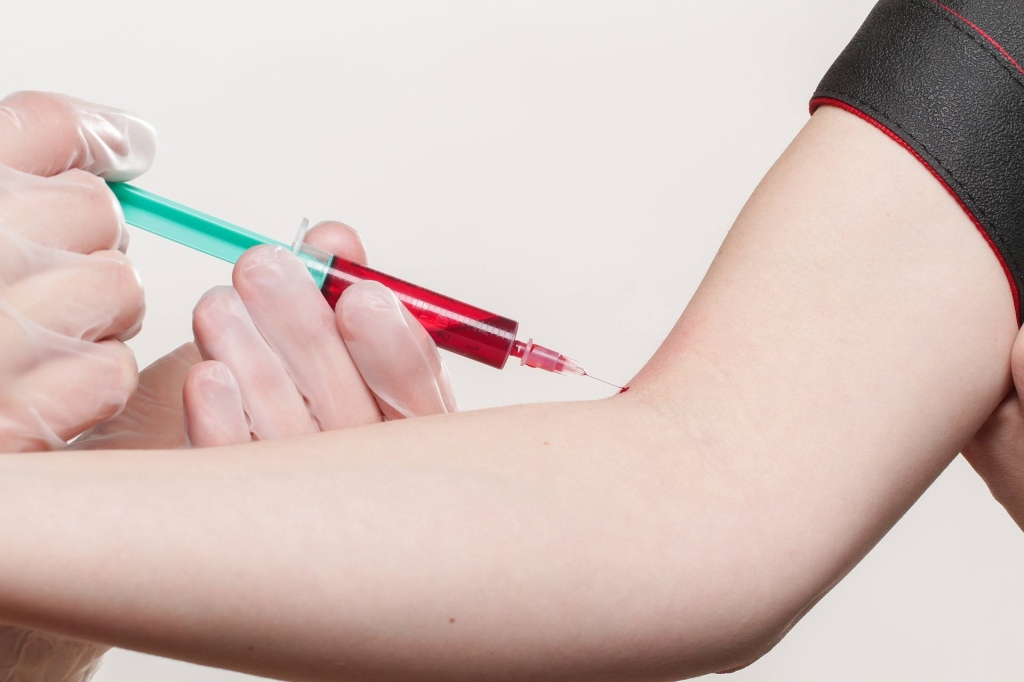
Before diving into resume crafting, let’s briefly outline what a phlebotomist does. Phlebotomists are healthcare professionals responsible for drawing blood from patients for tests, transfusions, donations, or research. They must maintain patient safety and comfort while adhering to strict ethical and regulatory guidelines.
Why a Strong Phlebotomy Resume Matters
A strong resume is your first impression in the job application process. It showcases your skills, education, and any relevant experience, making it crucial for grabbing the attention of potential employers. An effective phlebotomy resume highlights not just your technical skills but also your interpersonal abilities—both of which are vital in this patient-facing role.
Key Components of an Entry-Level Phlebotomy Resume
Your resume should typically include the following sections:
- Contact Information
- Objective Statement
- Education
- Skills
- Relevant Certifications
- Experience
- Volunteer Work (if applicable)
Creating Your Phlebotomy Resume
1. Contact Information
Start your resume with your contact details. This section should include:
- Your full name
- Your phone number
- Your email address (use a professional one)
- Your LinkedIn profile (optional)
2. Objective Statement
Your objective statement is a brief introduction (1-2 sentences) that highlights your career goals and what you bring to the position. For example:
“Dedicated and compassionate certified phlebotomist seeking an entry-level position at [Company Name] to utilize my strong skills in patient care and blood collection.”
3. Education
List your educational background, focusing on relevant degrees or training programs. Include:
| Degree | Institution | Year Graduated |
|---|---|---|
| Phlebotomy Technician Certificate | [Institution Name] | [Year] |
| High School Diploma | [Excelsior High School] | [Year] |
4. Skills
Highlight both hard and soft skills relevant to phlebotomy. Consider including:
- Venipuncture skills
- Knowledge of blood collection techniques
- Patient care and communication
- Attention to detail
- Time management
5. Relevant Certifications
Include any relevant certifications such as:
- Certified Phlebotomy Technician (CPT)
- Bloodborne Pathogen Certification
- CPR/First Aid Certification
6. Experience
For entry-level phlebotomists, you might not have extensive work experience, but you can include internships, clinical rotations, or relevant volunteer work. Use bullet points to describe your responsibilities. For example:
- Performed venipunctures on diverse patient populations under supervision.
- Assisted in the lab environment maintaining cleanliness and organization.
- Provided patient education on blood collection procedures.
7. Volunteer Work (if applicable)
Highlight any volunteer experience that may be relevant. This shows a commitment to the healthcare field and can be appealing to employers.
Practical Tips for Writing Your Phlebotomy Resume
Creating a standout resume involves more than just formatting; here are some practical tips:
- Customize Your Resume: Tailor your resume for each job application, using keywords from the job description.
- Use Action Verbs: Begin bullet points with strong action verbs like “Executed,” “Assisted,” “Collaborated,” etc.
- Keep it Concise: Aim for a one-page resume, particularly for entry-level positions.
- Proofread: Typos and grammatical errors can hinder your chances. Always proofread your resume before submission.
Template for Your Phlebotomy Resume
Here’s a simple template to help you get started:
    [Your Name]

    [Your Phone Number]

    [Your Email Address]

    [LinkedIn Profile]


    Objective:

    [Your brief objective statement]


    Education:

    [Degree] – [Institution], [Year]


    Skills:

    - [Skill 1]

    - [Skill 2]

    - [Skill 3]


    Certifications:

    [Certification 1]

    [Certification 2]


    Experience:

    [Job Title] - [Company Name] ([Year])

    - [Responsibility 1]

    - [Responsibility 2]


    Volunteer Work:

    [Role] - [Organization Name] ([Year])

    - [Responsibility]
Benefits of a Well-Crafted Resume
Having a well-organized, clearly presented resume increases your chances of getting noticed by hiring managers. It not only highlights your qualifications but also your professionalism and attention to detail, traits that are invaluable in the healthcare environment.
Conclusion
Crafting the perfect entry-level phlebotomy resume is key to launching your career in this essential field. By focusing on relevant skills, certifications, and a clear presentation of your background, you can present yourself as an ideal candidate for any phlebotomy position. Remember, each job application is an opportunity to refine and enhance your resume. We hope this guide has provided you with the insights needed to create a resume that opens doors to your future in phlebotomy. Good luck!