Essential Guide to Obtaining Your State Phlebotomy License: Steps, Requirements, and Tips
If you’re considering a career in healthcare, obtaining a phlebotomy license is a crucial step. Phlebotomists are in high demand, and their expertise is essential for collecting blood samples for diagnostic purposes. In this comprehensive guide, we will walk you through the essential steps, requirements, and tips to successfully obtain your state phlebotomy license.
Why You Need a Phlebotomy License
Before diving into the requirements and steps, let’s understand the significance of a phlebotomy license:
- Legitimacy: A license demonstrates your qualifications and adherence to state regulations.
- Employment Opportunities: Many employers require a licensed phlebotomist, which can increase your job prospects.
- Professional Development: A structured training program provides you with the essential skills needed for the role.
Steps to Obtain Your State Phlebotomy License
Step 1: Research State Requirements
The first step in obtaining your phlebotomy license is to research the specific requirements in your state. Each state has its own regulations regarding training, certification, and licensing. Generally, you will need to:
- Complete a state-approved phlebotomy training program.
- Gain practical experience in blood collection.
- Pass a certification exam.
Step 2: Complete a Phlebotomy Training Program
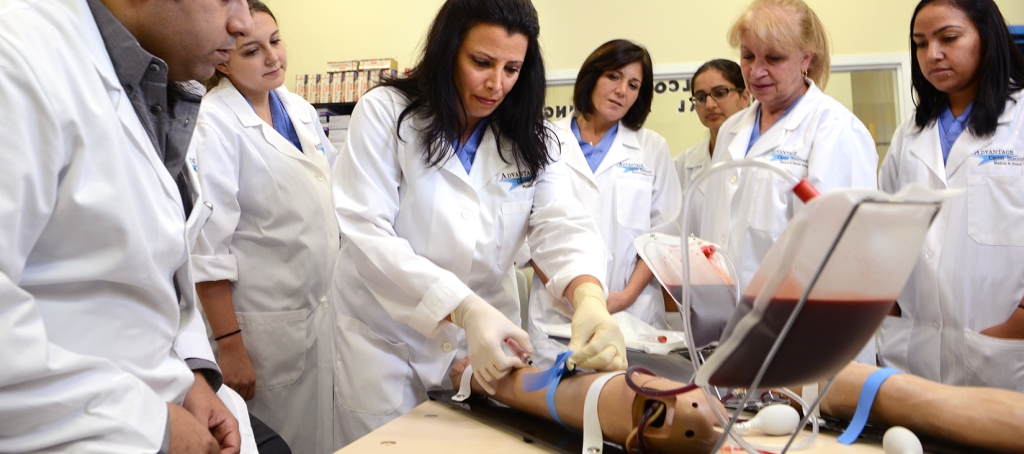
Select a phlebotomy training program that is accredited and meets state requirements. Most programs take 4 to 8 months to complete and include both classroom and hands-on training. Make sure the program includes:
- Fundamentals of blood collection techniques.
- Safety protocols and regulations.
- Patient interaction and care.
Step 3: Gain Clinical Experience
In addition to completing your training, you must acquire hands-on experience. This often comes from internships or clinical rotations that are part of your training program. Aim for a minimum of 100 successful venipunctures and skin punctures under supervision.
Step 4: Obtain Certification
After completing your training and acquiring the necessary experience, you can sit for a certification exam. Various organizations offer certification, including:
- American Society for Clinical Pathology (ASCP)
- National Phlebotomy Association (NPA)
- American Medical Technologists (AMT)
Step 5: Apply for Your State License
Once you have passed your certification exam, the final step is to apply for your state phlebotomy license. This typically involves:
- Submitting an application form.
- Paying the required fees.
- Providing proof of education and certification.
Phlebotomy License Requirements by State
| State | License Required? | Certification Organizations |
|---|---|---|
| California | Yes | ASCP, AMT |
| Florida | Yes | NPA, ASCP |
| New York | Yes | ASCP |
| Texas | No State License | AMT |
Benefits of Being a Licensed Phlebotomist
Obtaining your phlebotomy license comes with several benefits:
- Higher Earning Potential: Licensed professionals often earn higher salaries.
- Job Stability: The healthcare sector is growing rapidly, increasing demand for phlebotomists.
- Specialization Options: Opportunities for further specialization in areas like donor phlebotomy or pediatric phlebotomy.
Practical Tips for Success
As you embark on your journey to obtaining your phlebotomy license, consider these practical tips:
- Stay Organized: Keep track of all required documents and deadlines during your application process.
- Network: Connect with industry professionals through online forums and local events.
- Practice, Practice, Practice: Take every opportunity to practice your blood collection skills during your training.
First-Hand Experience: Insights from a Licensed Phlebotomist
To give you additional insights, we spoke to Jamie, a licensed phlebotomist with over three years of experience:
“The journey to becoming a licensed phlebotomist was both challenging and rewarding. The hands-on training was the most valuable part for me. I felt more confident after practicing with real patients. Receiving my license allowed me to pursue opportunities that I wouldn’t have had otherwise. Plus, meeting patients and supporting their health journeys is incredibly fulfilling!”
Conclusion
The path to obtaining your state phlebotomy license is straightforward but requires commitment and diligence. By following the steps outlined in this guide, understanding state-specific requirements, and leveraging practical tips, you can set yourself up for success in your phlebotomy career. A licensed phlebotomist not only gains job stability and a good salary but also plays a vital role in the healthcare system. Start your journey today!