Unlocking Your Future: A Comprehensive Guide to Working as a Phlebotomist
Phlebotomy is a vital component of the medical field, playing a crucial role in patient care. With the increasing demand for healthcare professionals, phlebotomy has emerged as a promising career option. This guide will explore everything you need to know about becoming a phlebotomist, from job responsibilities to training requirements and the benefits of the profession.
What is Phlebotomy?
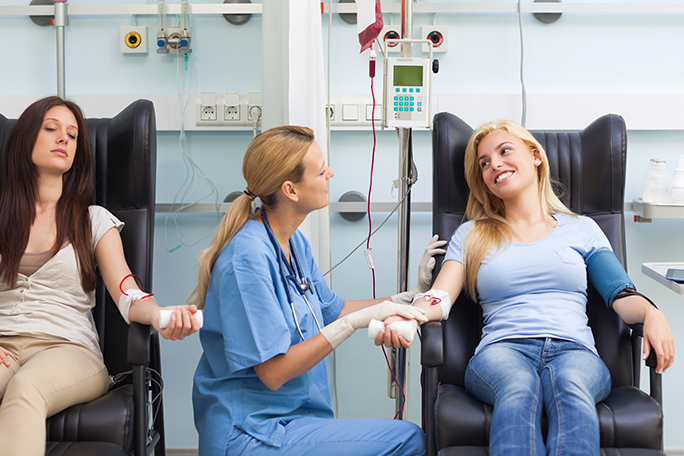
Phlebotomy involves drawing blood from patients for various purposes such as medical tests, transfusions, donations, or research. Phlebotomists are essential members of the healthcare team and work closely with patients and laboratory staff.
Job Responsibilities of a Phlebotomist
A phlebotomist’s responsibilities extend beyond just drawing blood. Here are some key tasks:
- Preparing patients for blood collection
- Explaining procedures to alleviate patient anxiety
- Collecting blood samples safely and efficiently
- Labeling and storing samples for lab analysis
- Maintaining a sterile environment and adhering to safety protocols
- Documenting the procedure in patient records
Qualifications and Training Requirements
To become a phlebotomist, you typically need a combination of education and certification:
- High School Diploma: A basic requirement for entry into phlebotomy programs.
- Phlebotomy Training Program: Enroll in a certified program, typically lasting 4 to 8 months.
- Certification: Although not always mandatory, obtaining certification can enhance job prospects. Popular certifications include PBT (ASCP), CPT (NHA), and RPT (AMT).
Benefits of a Career in Phlebotomy
A career in phlebotomy offers numerous advantages:
- Job Stability: The healthcare industry continues to expand, leading to a strong demand for phlebotomists.
- Short Training Period: Compared to many other medical careers, become a phlebotomist can be achieved in a relatively brief time frame.
- Work Flexibility: Phlebotomists can find employment in hospitals, labs, clinics, and even blood donation centers, providing various working environments.
- Patient Interaction: If you enjoy working with people, this career allows you to help patients every day.
- Career Advancement: With additional training, phlebotomists can advance to roles such as laboratory technicians, medical assistants, or healthcare supervisors.
Practical Tips for Aspiring Phlebotomists
Here are some actionable tips to help you succeed in your phlebotomy career:
- Gain Hands-On Experience: Seek internships or volunteer opportunities to practice your skills in real-world settings.
- Communicate Effectively: Developing strong communication skills will help you put patients at ease before procedures.
- Stay Organized: Keeping meticulous records of blood samples is crucial in maintaining patient safety and lab accuracy.
- Prioritize Safety: Always adhere to safety protocols to protect yourself and your patients.
- Continuing Education: Stay updated on the latest techniques and advancements by attending workshops and training sessions.
Salary Expectations for Phlebotomists
The salary of a phlebotomist can vary based on location, experience, and type of employment. Below is a simple overview of average annual salaries:
| Location | Average Salary |
|---|---|
| United States | $36,000 |
| California | $42,000 |
| Texas | $33,000 |
| Florida | $35,500 |
| New York | $40,000 |
Case Study: A Day in the Life of a Phlebotomist
Meet Sarah, a certified phlebotomist who works at a local hospital. Her day usually begins with reviewing the patient appointments. After a quick chat with her team, she prepares her workstation.
Throughout her day, Sarah performs blood draws for a variety of reasons, ranging from routine checks to pre-surgical tests. She enjoys interacting with patients, providing them with reassurance and compassion, especially those who are nervous about needles.
By the end of her shift, Sarah has successfully collected blood for over 20 patients, all while maintaining a high standard of care and safety. The satisfaction she gets from her work drives her to continue growing in her profession.
First-Hand Experience: Reflections from a Phlebotomist
John, a phlebotomist for three years, shares his insights: “Being a phlebotomist is incredibly rewarding. I’ve met so many different people, and it feels great to know I’m playing a part in their health journey. The initial fear of drawing blood has turned into excitement as I’ve honed my skills.”
Conclusion
Working as a phlebotomist is more than just a job; it’s a gateway to contributing positively to the healthcare system. With rapidly growing demand, fulfilling job duties, and the opportunity for professional growth, phlebotomy could be the right career path for you. If you are compassionate, detail-oriented, and eager to help others, consider unlocking your future in this exciting field.