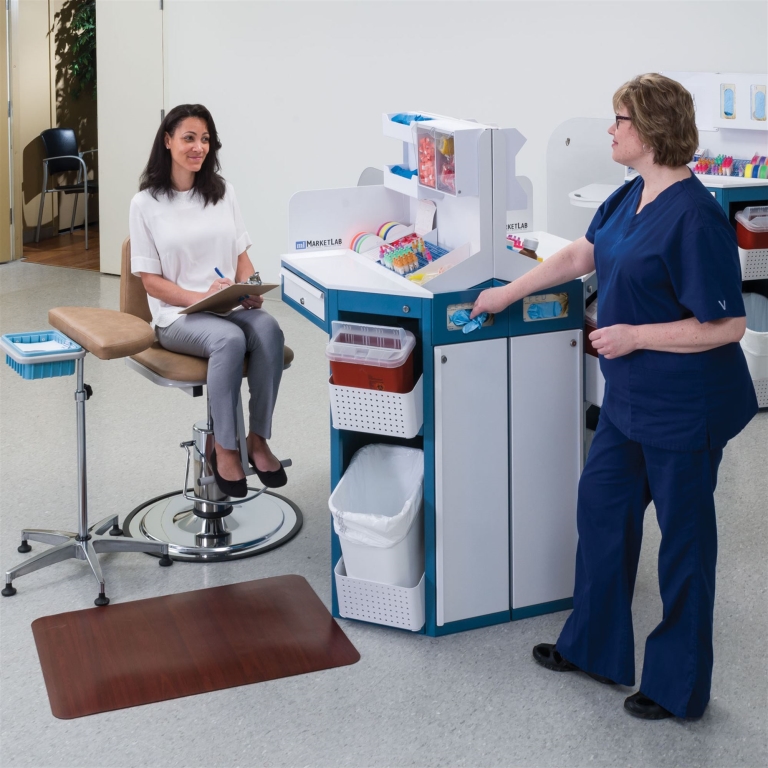
Become a Certified Phlebotomist: Everything You Need to Know About Phlebotomy Certification Courses
Are you considering a career as a phlebotomist? Do you have an interest in healthcare and enjoy working with patients? If so, becoming a certified phlebotomist could be the perfect career path for you. Phlebotomy is the practice of drawing blood from patients for various medical reasons, such as lab tests, donations, or transfusions. In this comprehensive guide, we will cover everything you need to know about phlebotomy certification courses and how to become a certified phlebotomist.
What is Phlebotomy?
Phlebotomy is a crucial aspect of healthcare that involves the collection and transportation of blood samples for testing and analysis. Phlebotomists are trained professionals who perform venipuncture, the process of puncturing a vein with a needle to draw blood. They are responsible for ensuring the safety and comfort of the patient during the procedure, as well as the accuracy and integrity of the blood samples collected.
Why Become a Certified Phlebotomist?
- High demand for phlebotomists in healthcare settings
- Excellent job stability and growth opportunities
- Opportunity to work in various healthcare settings, such as hospitals, clinics, laboratories, and blood banks
- Fulfilling career that directly impacts patient care and treatment
How to Become a Certified Phlebotomist
To become a certified phlebotomist, you will need to complete a phlebotomy certification course from an accredited institution. These courses typically include both classroom instruction and hands-on training in a clinical setting. The curriculum covers topics such as anatomy and physiology, medical terminology, infection control, venipuncture techniques, and specimen handling.
Steps to Becoming a Certified Phlebotomist:
- Research phlebotomy certification programs in your area
- Enroll in a reputable phlebotomy training program
- Complete the required coursework and hands-on training
- Pass a national certification exam, such as the NCPT or ASCP
- Apply for phlebotomy certification through a recognized certifying agency
- Maintain your certification through continuing education and renewal requirements
Benefits of Phlebotomy Certification
Obtaining phlebotomy certification demonstrates your commitment to excellence and professionalism in the field. Certified phlebotomists typically earn higher salaries, have better job prospects, and are more competitive in the job market. Certification also provides a sense of accomplishment and pride in your skills and knowledge as a healthcare professional.
Practical Tips for Success
- Practice venipuncture techniques regularly to build proficiency and confidence
- Develop strong communication and interpersonal skills to interact with patients effectively
- Stay updated on the latest developments and best practices in phlebotomy through continuing education
- Seek mentorship from experienced phlebotomists to enhance your learning and career growth
Conclusion
Becoming a certified phlebotomist is a rewarding and fulfilling career choice for individuals interested in healthcare and patient care. By completing a phlebotomy certification course and obtaining national certification, you can embark on a successful career path with excellent job prospects and growth opportunities. Remember to stay current with continuing education and renewal requirements to maintain your certification and advance your skills in this vital healthcare profession.