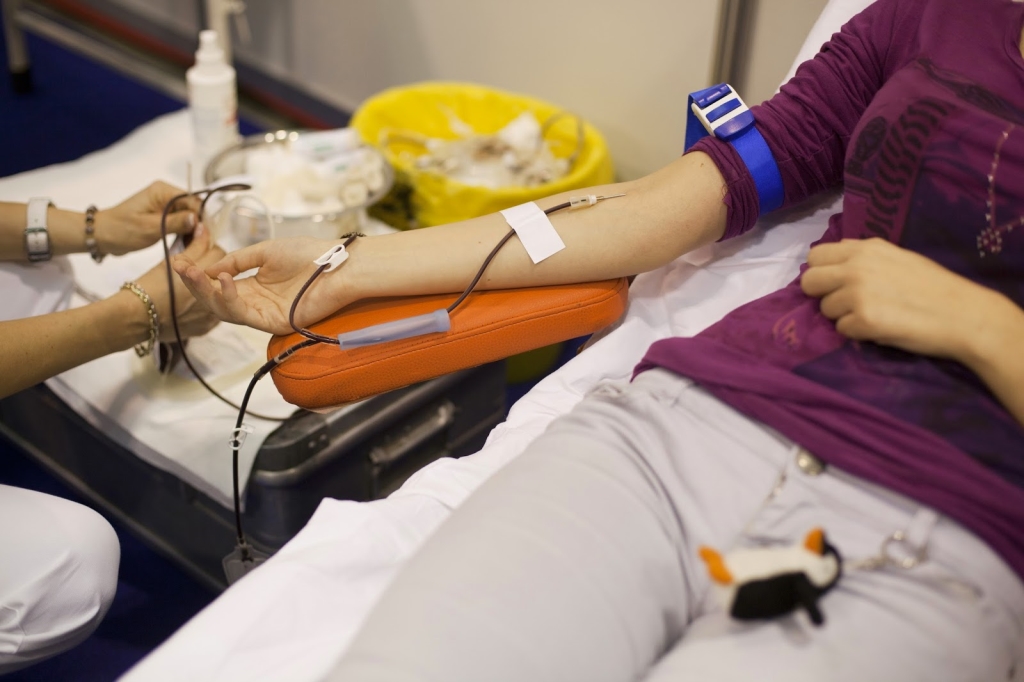
Earn Your ASPT Phlebotomy Certification: Essential steps to Advance Your Healthcare Career
Embarking on a career in healthcare can be both rewarding and fulfilling. Among the various roles in the medical field, phlebotomy technicians play a crucial part in patient care by collecting blood samples essential for diagnostics and treatment. Earning your ASPT Phlebotomy Certification not only validates your skills but also opens doors to higher-paying jobs and career advancement opportunities. In this comprehensive guide, we’ll walk you through the essential steps to achieve your ASPT phlebotomy certification and elevate your healthcare career trajectory.
What Is the ASPT Phlebotomy Certification?
The American Society for Phlebotomy Technicians (ASPT) certification is a recognized credential that certifies a phlebotomy technician’s competency and adherence to industry standards. Earning an ASPT certification demonstrates your professional commitment, knowledge, and skill proficiency, making you a competitive candidate in the healthcare job market.
Why Obtain Your ASPT Phlebotomy Certification?
- Career advancement: Certified phlebotomists often access higher-paying positions and specialized roles.
- Job Security: Certification showcases your expertise, making you indispensable to employers.
- Industry Recognition: It signifies adherence to ethical and professional standards.
- increased Confidence: certification prepares you to handle diverse patient populations and complex procedures.
Prerequisites for ASPT Phlebotomy Certification
Before pursuing the ASPT certification, ensure you meet the following prerequisites:
- Minimum age requirement (usually 18 years or older).
- High school diploma, GED, or equivalent qualification.
- Completed a structured phlebotomy training program or have relevant work experience.
- Basic knowledge of anatomy, clinical procedures, and safety protocols.
Step-by-Step Guide to Earning Your ASPT phlebotomy Certification
Step 1: Enroll in a recognized Phlebotomy Training Program
Select a comprehensive phlebotomy course accredited by reputable bodies such as the National Accrediting Agency for Clinical Laboratory Sciences (NAACLS). A good program covers:
- Anatomy and physiology
- Blood collection procedures
- Patient interaction and communication skills
- Safety and infection control practices
Most programs combine classroom learning with supervised practical experience, which is vital for building confidence and competence.
Step 2: Accumulate Hands-On Phlebotomy Experience
Gain practical experience through externships, clinics, or healthcare facilities. The ASPT certification exam often requires evidence of hands-on training, typically at least 40 hours of practical experience in blood collection.
Step 3: Prepare for the ASPT Certification Exam
Thorough preparation increases your chances of passing the exam smoothly. Consider the following:
- Review the official ASPT exam content outline.
- Use practice exams and study guides specific to the ASPT certification.
- Join study groups or online forums to clarify doubts and share knowledge.
Step 4: Register and Schedule the Exam
Once prepared, register for the ASPT phlebotomy certification exam via their official website. The exam is typically offered at testing centers or online, depending on the current arrangements. Ensure you meet all requirements and confirm your exam date early.
Step 5: Pass the Certification Exam
The ASPT exam usually consists of multiple-choice questions covering blood collection techniques, safety procedures, patient interaction, and professional ethics. A passing score qualifies you for certification.
Step 6: Obtain Your ASPT Phlebotomy Certification
After successfully passing the exam, you’ll receive your official certification card. Maintain your credential through continuing education as per ASPT guidelines to stay current and renew your certification when needed.
Benefits of Holding an ASPT Phlebotomy certification
| Benefit | Impact |
|---|---|
| Higher Salary Potential | Certified phlebotomists tend to earn more than non-certified colleagues. |
| Enhanced employability | Certification distinguishes you in a competitive job market. |
| Professional Credibility | Recognition by peers and employers enhances your reputation. |
| Career Versatility | Certification opens doors to roles in outpatient clinics, hospitals, and specialized labs. |
Practical Tips for Aspiring Phlebotomists
- Stay Updated: keep abreast of current industry standards and innovations in blood collection techniques.
- Improve Communication Skills: Developing empathetic patient interaction can improve sample collection success.
- Build a Professional Network: join associations like ASPT and attend industry seminars for growth.
- Maintain Certification: Engage in continuing education to renew your credential and stay knowledgeable.
Real-Life Case Study: Success Story of an Aspiring Phlebotomist
Maria, a recent graduate, enrolled in a reputable phlebotomy program and completed her clinical externship with over 50 blood draws. After preparing diligently for the ASPT exam, she passed on her first attempt.Today,Maria works at a prominent hospital,earning a higher salary and enjoying the respect of her peers. Her story exemplifies the power of certification in advancing a healthcare career.
Conclusion
Achieving your ASPT Phlebotomy Certification is a strategic step toward a successful and fulfilling healthcare career. By following the essential steps—enrolling in a quality training program,gaining practical experience,preparing thoroughly for the exam,and maintaining your certification—you set yourself apart in a competitive medical field. Remember, certification not only validates your skills but also boosts your confidence and opens up new career opportunities. Take action today and invest in your future as a certified phlebotomy technician!