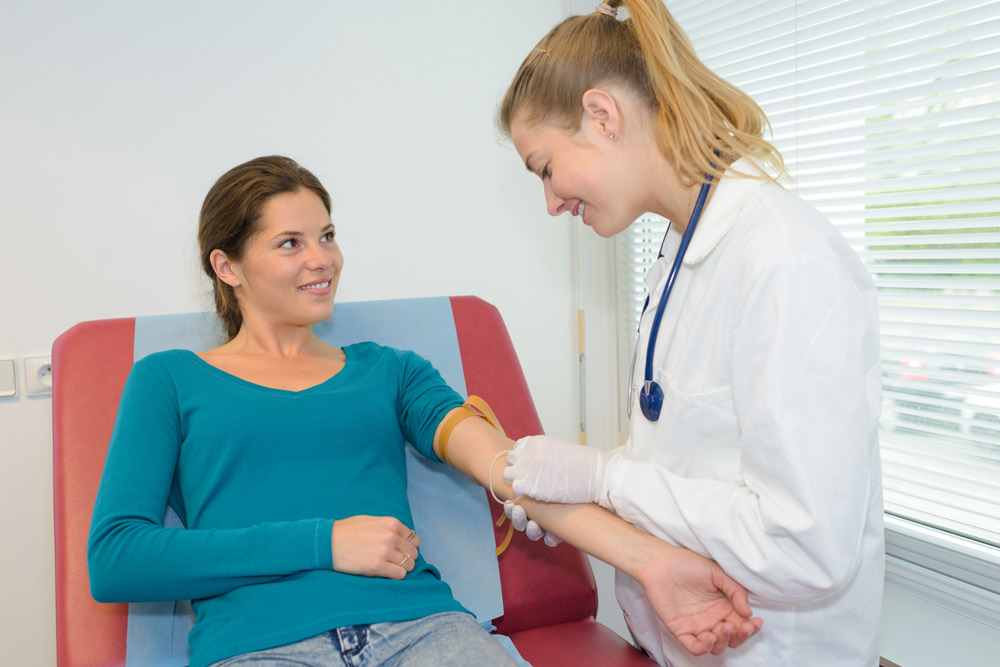
Unlocking Success in Your Healthcare Career: Essential tips for a valuable Phlebotomy Clinical Experience
Embarking on a career in healthcare can be both exciting and challenging. Among the foundational steps toward a triumphant healthcare profession is mastering phlebotomy. Gaining practical experience through a well-structured clinical rotation isn’t just a requirement—it’s an chance to develop vital skills, build confidence, and set the stage for future success. In this comprehensive guide, we’ll explore essential tips to maximize your phlebotomy clinical experience, unlock your potential, and advance your healthcare career.
Understanding the Importance of a Quality Phlebotomy Clinical Experience
A phlebotomy clinical rotation is more than simply collecting blood samples; it’s an immersive learning experience that shapes your professional skills and work ethic. Here are some reasons why a valuable clinical experience is critical:
- Skill Advancement: Hands-on practise improves your technique and accuracy.
- Building Confidence: Practical experience helps overcome nervousness and builds professionalism.
- Understanding Healthcare Settings: Exposure to hospital dynamics, patient interactions, and team collaboration.
- Networking Opportunities: Connecting wiht seasoned professionals and mentors.
- Career Advancement: A strong clinical background enhances your resume and job prospects.
Key Strategies for a Successful Phlebotomy Clinical Experience
1. Prepare Thoroughly Before the Rotation
Preparation is the cornerstone of success. Before starting your clinical rotation, ensure you:
- Review phlebotomy procedures and related anatomy and physiology.
- Practice patient communication skills to ease anxiety and foster trust.
- Gather necessary certifications or documentation required by your programme.
- Learn about clinical protocols and safety standards.
2.Demonstrate Professionalism and a positive Attitude
From arriving on time to maintaining a neat appearance, professionalism influences perceptions and opportunities. Cultivate a friendly attitude, show eagerness to learn, and respect the healthcare environment and patients.
3.Prioritize Patient Safety and Comfort
Remember, patient care is at the heart of phlebotomy. Tips include:
- Follow strict hygiene protocols.
- Use proper labeling and handling procedures.
- Communicate clearly and empathetically with patients.
- Respect patient privacy and preferences.
4.Seek Feedback and reflect
Regularly ask for constructive feedback from supervisors and peers. Reflect on your performance to identify areas for improvement and track your progress over time.
5. Embrace Learning Opportunities and Challenges
Every patient interaction or technique is a chance to learn.Stay curious, ask questions when appropriate, and view challenges as growth opportunities.
benefits and Practical Tips for Maximizing Your Experience
Benefits of a Well-Conducted Phlebotomy Clinical Rotation:
- Reduced patient and procedure anxiety
- Enhanced technical proficiency
- better understanding of healthcare workflows
- development of critical critical thinking skills
- Increased confidence in job interviews and on-the-job performance
Practical Tips to Make the Most of Your Phlebotomy Clinical experience
- Maintain a Journal: Document daily challenges, successes, and questions to review later.
- Observe and Mimic: Watch experienced phlebotomists and adopt their best practices.
- Stay Organized: keep track of the samples collected, procedures performed, and feedback received.
- Communicate effectively: Ask for clarification when unsure and engage respectfully with team members.
- Develop Soft Skills: Cultivate patience, empathy, and resilience—key traits in healthcare.
Case Studies: Real-Life Success Stories
Case Study 1: Overcoming patient Anxiety
Emily, a student in her clinical rotation, encountered nervous patients frequently. by employing calming communication techniques and demonstrating confidence, she earned patient trust, resulting in smoother collections and positive feedback from supervisors.
Case Study 2: Handling Difficult Draws
John faced challenges with difficult veins. He practiced with simulated models outside of routine hours and collaborated with experienced staff. His perseverance paid off, leading to successful blood draws and increased confidence.
First-Hand Experience: What Makes a Phlebotomy Rotation Valuable?
Engaging actively during your clinical placement—asking questions, seeking feedback, and practicing diligently—creates a memorable and impactful experience.Remember, skills like proper needle insertion, patient interaction, and safety protocols are best learned through consistent practice and mentorship. Such foundational experiences are instrumental in shaping a competent, compassionate healthcare professional.
Summary Table: Tips for a Successful Phlebotomy Clinical Experience
| Aspect | Key Tips |
|---|---|
| Preparation | Review procedures, understand safety, gather certifications |
| Professionalism | be punctual, neat, respectful, and proactive |
| Patient Care | Prioritize comfort, communicate clearly, ensure safety |
| Learning attitude | Ask questions, seek feedback, reflect regularly |
| Networking & Growth | Build relationships, observe mentors, document progress |
Conclusion: Unlock Your Healthcare Career potential
Maximizing your phlebotomy clinical experience is a pivotal step toward building a successful healthcare career. By preparing thoroughly,demonstrating professionalism,prioritizing patient safety,and embracing continuous learning,you lay a strong foundation for future growth. Remember, each patient interaction and every challenge overcome adds to your skill set and confidence.Engage actively in your rotations, seek mentorship, and reflect on your experiences. Success in healthcare starts with a meaningful, dedicated clinical experience—so make it count!
Take the Next Step
If you’re ready to advance your healthcare journey, consider enrolling in accredited phlebotomy programs, seeking hands-on clinical opportunities, and connecting with experienced professionals.your dedication and proactive attitude can open doors to a rewarding healthcare career filled with endless opportunities to make a difference.