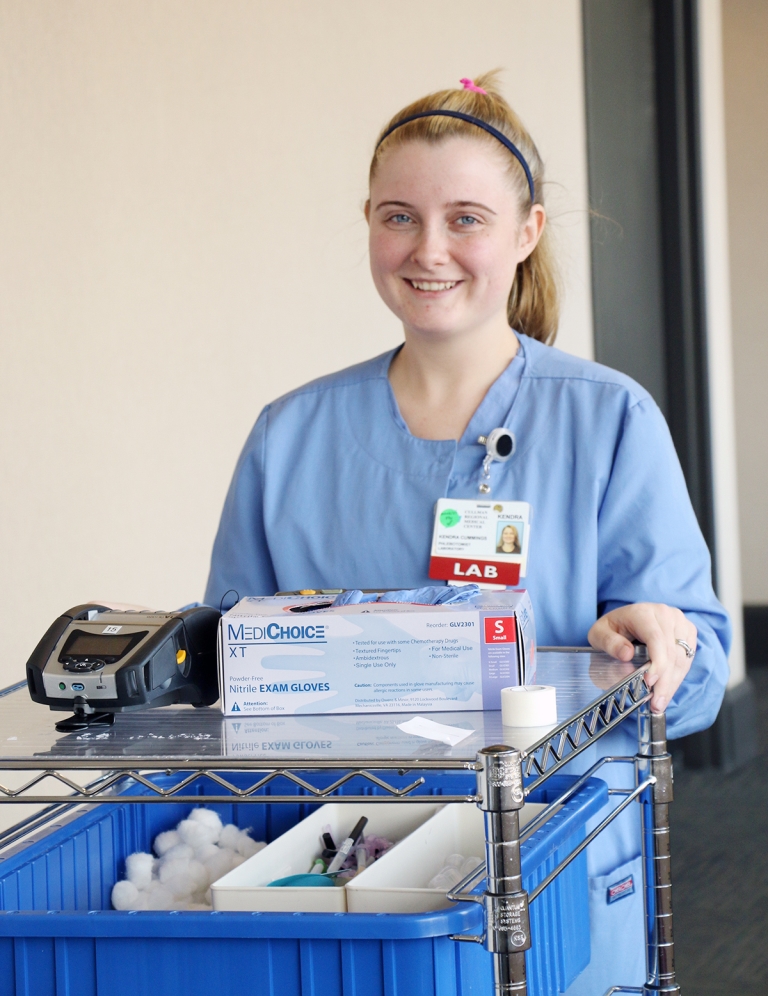
Mastering Phlebotomy: Essential Skills and tips for Aspiring Blood Collection Professionals
Introduction
Embarking on a career in phlebotomy can be both rewarding and challenging. As a vital part of healthcare, blood collection professionals—commonly known as phlebotomists—play a crucial role in diagnostic testing, patient care, and medical research. Mastering the art of phlebotomy requires a combination of technical skills, interpersonal abilities, and a thorough understanding of safety protocols. Whether your just starting your journey or looking to refine your skills,this comprehensive guide will equip you with essential tips,practical advice,and insights to excel as a blood collection professional.
Understanding Phlebotomy: What It Entails
phlebotomy involves drawing blood from patients for various purposes, including medical testing, donation, and research. The role demands accuracy and care to ensure safe and successful blood collection. For aspiring phlebotomists,understanding the core components of phlebotomy is the first step toward mastering this vital healthcare skill.
Essential Skills for Aspiring Phlebotomists
1. Technical Expertise in Blood Draw Procedures
Proficiency in various blood collection techniques, such as venipuncture and capillary puncture, is fundamental. this includes selecting the appropriate equipment, finding suitable vein sites, and performing collections efficiently.
2. knowledge of Anatomy and Physiology
Understanding human anatomy, especially blood vessel locations and variations, helps to minimize discomfort and prevent complications during blood draw procedures.
3. Excellent Patient Interaction Skills
Building rapport with patients can alleviate anxiety and ensure cooperation. A friendly demeanor,clear communication,and empathy are critical for a positive blood collection experience.
4. Attention to Safety and Hygiene Protocols
Maintaining a sterile environment, proper needle handling, and proper disposal of sharps are non-negotiable in preventing infections and ensuring safety for both patients and staff.
5. Strong Organizational and Record-Keeping Skills
Accurate documentation of collection details, patient data, and test orders are essential for maintaining high-quality standards and compliance with healthcare regulations.
Practical Tips to Become a Master in Phlebotomy
- Practice the Basics: Regularly rehearse blood draw techniques in a simulated environment or under the supervision of experienced professionals.
- Stay updated on Equipment: familiarize yourself with different needles, tubes, and lancets to select the best tools for each situation.
- Develop a Systematic Approach: Follow a step-by-step process for patient identification, preparation, blood collection, and post-draw care.
- Maintain Patient Comfort: Use gentle techniques, apply pressure after draw, and offer reassurance to reduce patient discomfort.
- Adhere to Safety Standards: Always wear personal protective equipment (PPE) and practice proper disposal of contaminated materials.
The Benefits of Mastering Phlebotomy
| Benefit | Details |
|---|---|
| Career Opportunities | High demand in hospitals, clinics, and labs with potential for career growth. |
| Patient Care Impact | Direct contribution to diagnostics and patient health outcomes. |
| Skill-versatility | Applicable in various healthcare settings, research, and mobile blood drives. |
| Personal Development | Builds confidence, interpersonal skills, and technical proficiency. |
Case Study: Successfully Navigating a Challenging Blood Draw
Jane, a novice phlebotomist, faced her first tough patient with small veins and high anxiety. By staying calm, applying proper tourniquet techniques, and communicating clearly, she successfully performed the venipuncture on her third attempt. This experience underscored the importance of patience, good communication, and proper technique—key components to mastering phlebotomy under pressure.
Practical Tips for Aspiring Blood Collection Professionals
- Get Certified: Enroll in accredited phlebotomy training programs to gain foundational knowledge and skills.
- Seek Hands-On Experience: Volunteer or find internships to practice real-world blood collection.
- prioritize Safety: Always follow OSHA and CDC guidelines for infection control and sharps safety.
- Develop Soft Skills: Enhance communication and empathy to improve patient cooperation and satisfaction.
- Continuously Educate yourself: Attend workshops, webinars, and professional conferences to stay current with best practices and technological advances.
Conclusion
Mastering phlebotomy is a rewarding journey that combines technical proficiency, compassionate patient care, and strict adherence to safety protocols. As an aspiring blood collection professional, honing these skills through practice, education, and real-world experience will set you on the path to a successful healthcare career. Remember, every successful blood draw not only contributes to accurate medical diagnosis but also positively impacts patient trust and comfort. Embrace the learning process, stay committed to safety and professionalism, and you’ll soon become a skilled and confident phlebotomist.