**Title: The Ultimate Guide to Blood Draw Phlebotomy: Everything You Need to Know**
**Introduction:**
Blood draw phlebotomy is a crucial aspect of healthcare that involves drawing blood samples from patients for diagnostic testing, blood donations, or research purposes. This ultimate guide will provide you with all the essential information you need to know about blood draw phlebotomy, including techniques, tips, and best practices.
**Benefits of Blood Draw Phlebotomy:**
– Provides valuable information for diagnosing and monitoring various health conditions.
– Allows for blood donations that can save lives.
– Plays a crucial role in medical research and clinical trials.
– Helps healthcare professionals make informed decisions about patient care.
**Techniques and Best Practices:**
1. Use appropriate equipment: Make sure to use sterile needles, tubes, and other equipment to prevent contamination and ensure accurate results.
2. Proper patient identification: Verify the patient’s identity before starting the blood draw procedure to prevent errors.
3. Choose the right vein: Select a vein that is visible, accessible, and suitable for blood collection.
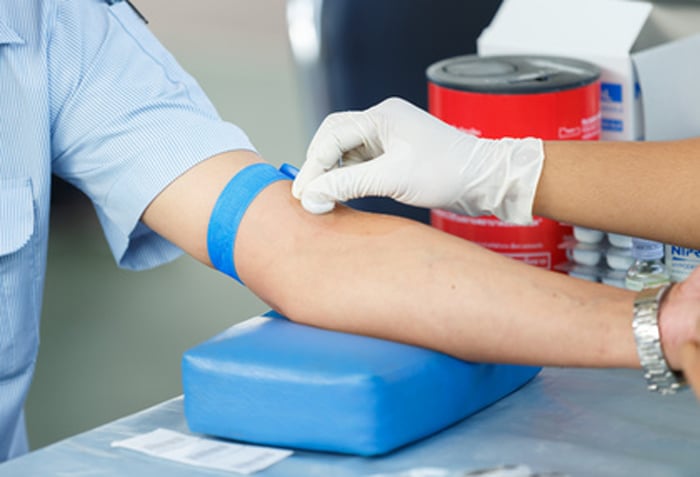
4. Apply a tourniquet: Use a tourniquet to make the vein more visible and help with venipuncture.
5. Clean the site: Disinfect the site with alcohol swabs before inserting the needle to reduce the risk of infection.
6. Insert the needle: Use a smooth, swift motion to insert the needle into the vein at the correct angle.
7. Collect the blood: Allow the blood to flow into the collection tubes at a steady pace.
8. Remove the needle: Once the blood collection is complete, remove the needle gently and apply pressure to the site to stop bleeding.
9. Label the tubes: Make sure to label the tubes correctly with the patient’s information to avoid mix-ups.
10. Dispose of sharps safely: Dispose of used needles and other sharps in a designated sharps container to prevent needle stick injuries.
**Practical Tips for Blood Draw Phlebotomy:**
– Practice good communication skills with patients to help alleviate any fears or anxiety.
– Stay updated on the latest phlebotomy techniques and guidelines to ensure safe and efficient blood draws.
- Develop a routine for preparing equipment and setting up your workspace to streamline the blood draw process.
– Maintain a clean and organized work environment to reduce the risk of contamination.
– Take breaks and stay hydrated during long blood draw sessions to prevent fatigue.
**Case Studies:**
Case Study 1: A phlebotomist successfully performs a blood draw on a child with a fear of needles by using distraction techniques and building trust with the patient.
Case Study 2: A patient with difficult veins requires multiple attempts for a successful blood draw, highlighting the importance of patience and persistence in phlebotomy.
**Firsthand Experience:**
As a phlebotomist with years of experience, I have encountered a wide range of challenges and rewarding moments in the field of blood draw phlebotomy. From nervous patients to difficult veins, every blood draw presents a unique opportunity to provide compassionate care and accurate results.
**Conclusion:**
Blood draw phlebotomy is an essential skill for healthcare professionals that requires precision, patience, and empathy. By following proper techniques and best practices, phlebotomists can ensure safe and successful blood draws for patients. With the information provided in this ultimate guide, you now have a comprehensive understanding of blood draw phlebotomy and are equipped to perform this critical procedure with confidence and efficiency.
Remember, each blood draw is a chance to make a positive impact on patient care and healthcare outcomes. Stay informed, stay prepared, and always prioritize patient safety in your phlebotomy practice.