Master the Essential Phlebotomy Steps: A Complete Guide for Accurate blood Collection
If you’re venturing into the healthcare field or seeking to improve your blood collection skills, mastering the essential phlebotomy steps is crucial for ensuring accurate, safe, and efficient blood draws.Phlebotomy, the process of drawing blood for lab analyses, requires precision, attention to detail, and a good understanding of best practices.This comprehensive guide is designed to equip healthcare professionals, students, and aspiring phlebotomists with the knowledge they need to excel in this vital skill.
Understanding the Significance of Proper Phlebotomy Technique
Accurate blood collection is the foundation of reliable lab results and patient safety.Improper techniques can led to complications such as hemolysis, sample contamination, or patient discomfort. By mastering the essential steps in phlebotomy, you ensure the integrity of the specimen, minimize pain, and reduce the risk of adverse events.
essential Phlebotomy Equipment and Supplies
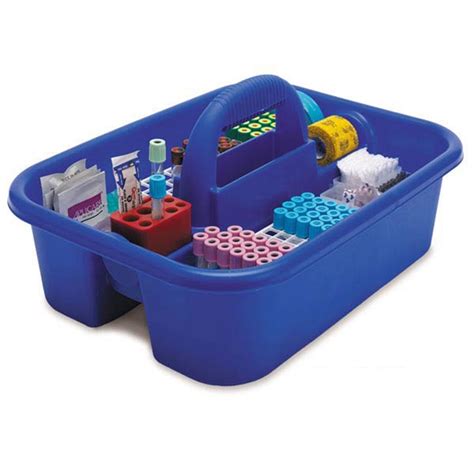
before starting a blood draw, it’s significant to gather all necessary supplies to facilitate a smooth procedure. Here’s a list of essential phlebotomy tools:
- Venipuncture needles (typically 21G or 22G)
- Vacutainer tubes or collection tubes
- Alcohol prep pads or swabs
- Tourniquet
- Gloves (medical-grade)
- Gauze pads and adhesive bandages
- Alcohol-based antiseptic solution
- Labels and marker for sample identification
- Optional: butterfly needles for difficult veins
Step-by-step Guide to Master the Essential Phlebotomy Steps
1. Prepare and Verify Patient Identity
The first step in any phlebotomy procedure is patient identification. Use two identifiers (e.g., name and date of birth) to confirm the patient’s identity and prevent sample mix-ups.
2. explain the Procedure
Clear communication reduces patient anxiety and ensures cooperation. Briefly explain what you’ll do, emphasizing safety and comfort.
3. Wash Your Hands and Don Personal Protective Equipment (PPE)
Hygiene is paramount. Wash hands thoroughly and wear gloves to prevent contamination and protect both patient and healthcare worker.
4. Apply the Tourniquet
Place the tourniquet 3-4 inches above the selected puncture site to engorge the veins, making them easier to palpate and select.
- Ensure the tourniquet isn’t too tight to avoid discomfort or hemoconcentration.
- Leave it on for no longer than 1 minute.
5. Select and Prepare the Venipuncture Site
Typically, the median cubital vein is preferred due to its size and stability. Follow these steps:
- Palpate to locate a suitable vein.
- Disinfect the area with an alcohol swab using a gentle circular motion from the inside out.
- Allow the area to air dry to prevent alcohol contamination of the sample.
6. insert the Needle Correctly
Hold the vein taut with your non-dominant hand and insert the needle bevel-up at a 15-30 degree angle.Seek steady, smooth penetration into the vein lumen.
| Needle Insertion Angle | ideal Practise |
|---|---|
| 15-30° | Ensure smooth entry into the vein with minimal patient discomfort |
7. Collect the Blood Sample
Attach the collection tube to the needle or vacutainer holder, allowing blood to flow into the tube. Fill tubes in the recommended order to avoid cross-contamination.
8. Release the Tourniquet and Remove the Needle
- release the tourniquet before removing the needle to prevent additional pressure on the site.
- Withdraw the needle swiftly and smoothly at the same angle of insertion.
9. Apply Pressure and label the Sample
Place a gauze pad over the puncture site and apply firm pressure to prevent bleeding. Onc bleeding stops, secure with an adhesive bandage. Label the tubes accurately with patient details and collection time.
10. Dispose of sharps Properly and Document
dispose of the needle immediately into a sharps container and document the procedure details in the patient’s record.
Benefits of Mastering the Complete Phlebotomy Technique
- Enhanced accuracy: Better specimen quality for precise laboratory results.
- Patient safety: Reduced risk of complication or injury.
- Increased confidence: Skilled handling minimizes patient discomfort and anxiety.
- Professional reputation: Consistent, reliable blood collection practices foster trust.
Practical Tips for Effective Blood Collection
- Use the patient’s preferred arm: If they have a preferred arm, use it;
- Avoid drawing blood from the same site repeatedly: Rotate sites to prevent hematoma and discomfort;
- Keep the patient cozy: Maintain good communication and gentle handling;
- Practice good hygiene and aseptic techniques: Prevent contamination and infection;
- Double-check labels: Verify patient details before labeling tubes.
Common Challenges and How to Overcome Them
| Challenge | Solution |
|---|---|
| Difficult veins | Use warm compresses or request assistance from experienced colleagues |
| Patient anxiety | Explain the process clearly and provide reassurance |
| Sample hemolysis | Avoid excessive force during blood draw and use appropriate tubes |
| Contamination of sample | Ensure proper disinfecting techniques and use sterile supplies |
Case Study: Accomplished Blood collection in Challenging Patients
In one instance, a diabetic patient with fragile veins required frequent blood draws. The phlebotomist applied warm compresses to dilate the veins, used a butterfly needle for better control, and carefully stabilized the vein during insertion. Results showed minimal discomfort and high-quality samples, exemplifying the importance of skilled technique and adaptation to patient needs.
Personal First-Hand Experience: Lessons Learned in Phlebotomy
During my early days as a trainee, I encountered a patient with difficult veins. Frustration grew until I took a moment to reassess my approach, applied gentle palpation, and chose a different site. With patience and proper technique, the sample was successfully collected. This experience taught me that persistence, calmness, and adhering to best practices are key to mastering phlebotomy.
Conclusion
Mastering the essential steps of phlebotomy is an investment in accuracy, safety, and patient care. From preparation and site selection to blood collection and sample labeling, each stage requires attention to detail and adherence to best practices. Whether you’re a student stepping into the field or a seasoned professional refining your skills,continuous learning and practical submission are vital. By following this comprehensive guide, you can confidently perform blood draws that are safe, precise, and professional, ultimately contributing to better healthcare outcomes.