Is Phlebotomy a Good Career? Here’s What You Need to Know
Are you exploring healthcare career options that offer stability, growth, and meaningful work? If so, phlebotomy might be the perfect fit. As a vital part of the medical field, phlebotomy involves drawing blood for lab tests, donations, and medical procedures. But is becoming a phlebotomist a smart career choice? In this comprehensive guide, we’ll explore everything you need to know about phlebotomy as a profession, including its benefits, requirements, practical tips, and real-life insights.
What Is Phlebotomy?
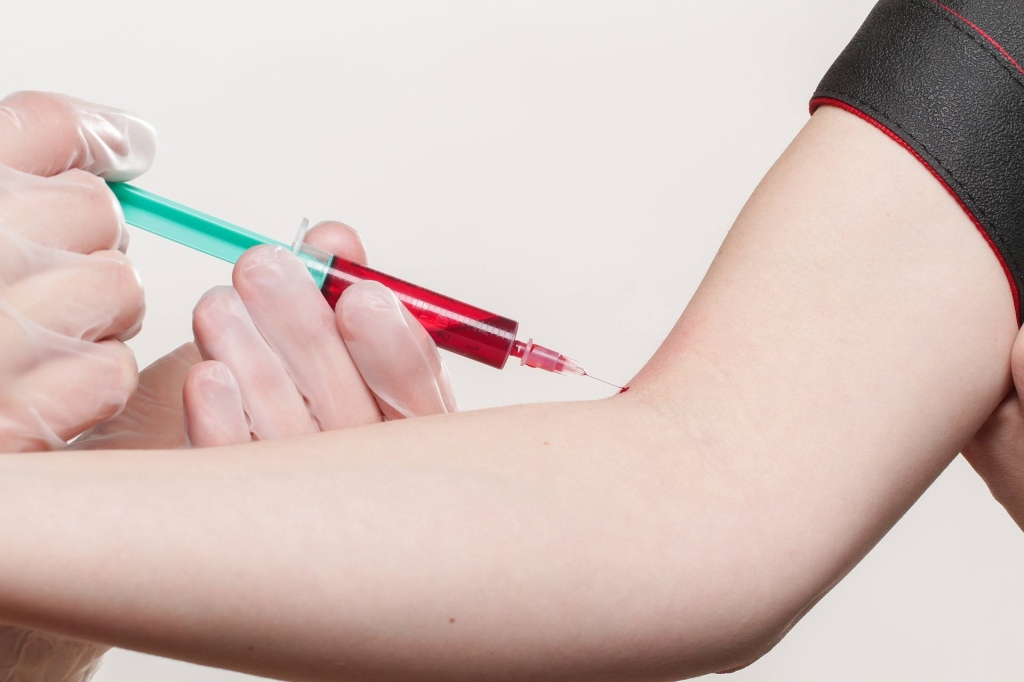
Phlebotomy is a specialized medical procedure that involves collecting blood samples from patients for diagnostic testing, transfusions, or research. It is a crucial step in healthcare, aiding physicians and labs in diagnosing illnesses, monitoring health, or collecting blood donations.
Typically, phlebotomists are trained healthcare professionals who work in hospitals, clinics, laboratories, blood banks, and mobile blood drives. They must demonstrate precision, good dialog skills, and a compassionate attitude.
Is a Career in Phlebotomy a Good Choice?
Advantages of a Career in Phlebotomy
- High Job Demand: The healthcare industry continues to grow, increasing the need for skilled phlebotomists.
- Speedy Certification Process: Most programs can be completed within a few months, enabling rapid entry into the workforce.
- Competitive Salary: While starting salaries vary, many phlebotomists earn a comfortable income, with potential for increases with experience.
- Flexible Work Settings: Opportunities to work in hospitals, clinics, labs, or mobile units offer diverse job environments.
- Impactful Work: Contributing to patient care and public health makes this occupation highly rewarding.
- Low Barrier to Entry: Generally, a high school diploma and certification suffice to start a career in phlebotomy.
Challenges to Consider
- Physical Demands: The role requires standing for long periods and handling sometimes difficult patients.
- Emotional Resilience: Working with patients who are anxious, nervous, or unwell can be stressful.
- Certification Requirements: Maintaining licensure and certification necessitates ongoing education.
Requirements and Certification for Aspiring Phlebotomists
To pursue a career in phlebotomy, certain educational and certification requirements apply:
| Requirement | description |
|---|---|
| Educational Background | High school diploma or GED equivalent. |
| Phlebotomy Training Program | Completion of an accredited phlebotomy certification course. |
| Certification | Most states and employers require certification, such as from the National Phlebotomy Association (NPA), American Society for Clinical Pathology (ASCP), or American Medical Technologists (AMT). |
| licensing | Depending on your state, you may need a license to work legally as a phlebotomist. |
Benefits of Becoming a Certified Phlebotomist
- Increased job prospects and employability.
- Higher earning potential.
- Recognition of professional competence.
- Chance for career advancement in medical assisting,laboratory technology,or healthcare management.
Practical Tips for Aspiring Phlebotomists
- Choose accredited training programs: Ensure the program is approved by relevant health authorities.
- Gain hands-on experience: Seek internships or externships during your course to build confidence.
- Develop excellent communication skills: Being empathetic and clear helps ease patient anxiety.
- Stay current with certifications: Regularly update your credentials to stay competitive in the field.
- practice safety procedures: Always follow OSHA guidelines and maintain patient safety standards.
Real-Life Case Studies: Success Stories in Phlebotomy
Jane’s Journey into Healthcare
Jane started her phlebotomy training six months ago. She quickly found a job in a busy hospital laboratory. Her compassionate approach earned her praise from patients and colleagues alike, leading to a promotion as led phlebotomist. Jane reports feeling fulfilled knowing she’s contributing to patient health daily.
David’s Career Transition
David was working in retail but sought a faster entry into healthcare. After completing a certified phlebotomy program, he secured a position at a local blood bank. Now, he enjoys flexible hours and the satisfaction of helping save lives through safe blood collection.
first-Hand Experience: What It’s Like to Be a Phlebotomist
Working as a phlebotomist involves much more than just drawing blood. It demands patience, precision, and the ability to reassure nervous patients.Many phlebotomists develop a sense of pride in their work, knowing they are essential in diagnosing diseases and supporting healthcare efforts.
Daily tasks encompass patient interaction, specimen handling, record keeping, and adhering to safety protocols. Over time, with experience, some professionals advance into supervisory roles or specialized medical fields.
Is Phlebotomy a Good Career for You?
Deciding if phlebotomy is a good career depends on your interests and goals. if you enjoy working with people, prefer a fast-paced healthcare habitat, and want to make a tangible difference in patient lives, phlebotomy could be an ideal choice. It offers a manageable entry pathway into healthcare and the potential for career growth.
Conclusion
phlebotomy is indeed a viable, rewarding, and in-demand healthcare career option. with a relatively quick training period and the potential for steady employment, becoming a certified phlebotomist can be a smart decision for those interested in healthcare professions. While it comes with challenges, the benefits—such as job stability, the opportunity to help others, and career advancement—make it an appealing choice for many.
If you’re passionate about health, eager to enter a growing field, and ready to develop specialized skills, phlebotomy might be the perfect career path for you.Take the first step by researching accredited training programs and certification requirements today.