Phlebotomy Education Requirements: Your Essential Guide to Starting a Healthcare career Streamlined and Accredited
Embarking on a career as a phlebotomist can be both rewarding and high-demand. Understanding the education requirements for phlebotomy is crucial to ensuring you meet industry standards and secure your place in the healthcare field. This comprehensive guide will walk you through everything you need to know-including certifications, training programs, practical tips, and the benefits of a streamlined, accredited education pathway.
Introduction
Are you considering a career in healthcare that combines patient interaction with technical skills? Phlebotomy might be the perfect fit! As a vital member of the medical team, phlebotomists are responsible for collecting blood samples, which are crucial for diagnostic testing and patient care. But what are the education requirements to become a certified and competent phlebotomist? This article will answer all your questions and provide practical insights to help you start your journey confidently.
What Is Phlebotomy and Why Is It a Promising Career?
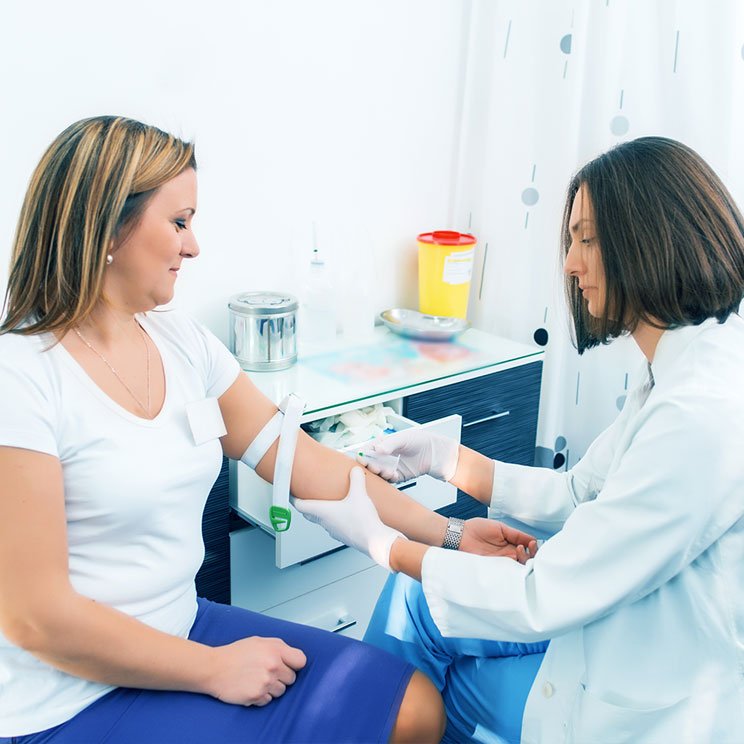
Phlebotomy involves drawing blood samples from patients for laboratory testing,transfusions,donations,and research. It’s a career that combines technical knowledge with compassionate patient care, making it both impactful and rewarding.
According to the U.S. Bureau of Labour Statistics, the demand for phlebotomists is expected to grow rapidly in the coming years, driven by an aging population and advances in medical diagnostics. This high demand makes qualifying with the right education essential to secure job opportunities and career advancement.
Education Requirements for Phlebotomy
1. basic Educational Qualifications
- High School Diploma or Equivalent: Most phlebotomy training programs require applicants to have a high school diploma or GED.
- Background Check and Immunizations: some programs may require background checks and health screenings to ensure patient safety and compliance.
2. Phlebotomy certification and Training Programs
While some states and employers consider on-the-job training sufficient, obtaining certification through a reputable program considerably boosts your employability and credibility.
Certification programs typically include:
- In-person or online courses covering anatomy, blood collection techniques, safety protocols, and patient interactions
- hands-on practical training and clinical experience
- Planning for certification exams
3. Certification and Licensing
Certification is frequently enough a requirement to work as a phlebotomist. The most recognized certifying agencies include:
- National Healthcareer Association (NHA)
- American Society for Clinical Pathology (ASCP)
- National Phlebotomy Association (NPA)
- American Medical Certification Association (AMCA)
Requirements for certification generally include completing an accredited training program and passing an exam.
Skills and Competencies Needed
- Attention to detail
- Strong interpersonal and dialog skills
- Knowledge of safety and infection control protocols
- Steady hands and good dexterity
- Ability to handle stressful situations calmly
Practical Tips for Pursuing Phlebotomy Education
- Research Accredited Programs: Always choose programs accredited by recognized agencies to ensure quality education and certification eligibility.
- Gain Hands-on Experience: Look for programs that offer clinical rotations or externships to build real-world skills.
- Prepare for certification Exams: Utilize practise tests and study guides provided by certifying agencies.
- Stay Informed: Keep up with changing regulations and best practices in the field.
- Network with Professionals: Join relevant organizations like the American Society for Clinical Pathology (ASCP) or the National Phlebotomy Association (NPA).
Benefits of an Accredited and Streamlined Education
| Benefit | Details |
|---|---|
| Recognition | Accredited programs meet industry standards, enhancing credibility with employers. |
| Employment Opportunities | Certification from recognized agencies opens doors to better job prospects and higher salaries. |
| Quality of Education | Structured curricula ensure comprehensive training, including practical skills. |
| Career Advancement | Streamlined pathways can lead to further certifications and specialties in healthcare. |
Choosing the right education pathway streamlines your entry into this vital healthcare role and sets the foundation for a accomplished career.
Case Studies and First-Hand Experiences
From Student to Professional: Jamie’s Journey
Jamie, a recent graduate of an accredited phlebotomy program, shared that completing hands-on training and obtaining certification helped confirm her skills and build her confidence. today, she works at a busy hospital, enjoying meaningful interactions with patients and growth opportunities in the healthcare industry.
Practical Benefits: Sarah’s Perspective
Sarah, a certified phlebotomist, emphasizes the importance of choosing an accredited program for career stability. She notes, “Having my certification from a reputable agency opened doors at multiple clinics and labs.Plus, the practical training gave me the confidence to handle challenging blood draws.”
Conclusion
Starting a career in phlebotomy requires meeting specific educational and certification prerequisites, but with the right training and accredited programs, you can streamline your pathway to becoming a skilled healthcare professional. Remember to focus on gaining practical experience, preparing diligently for certification exams, and choosing reputable training providers. Whether you’re seeking stable employment, a stepping stone into healthcare, or a way to make a difference in patients’ lives, phlebotomy offers a promising and rewarding future. Get started today by researching accredited programs in your area and taking the first step toward your healthcare career!