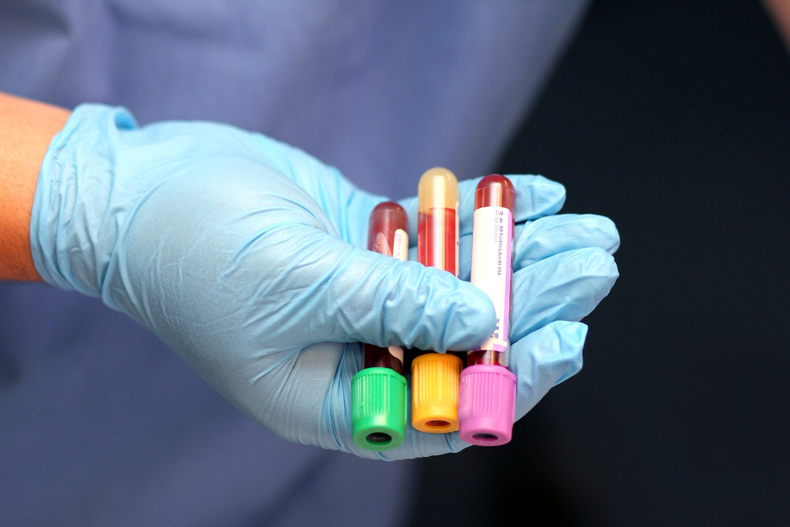
Title: How Much Do Phlebotomists Make: A Comprehensive Guide
Introduction:
If you’re considering a career in phlebotomy or are already working in the field, one of the most common questions you may have is, “How much do phlebotomists make?” Phlebotomy is an essential aspect of the healthcare industry, and phlebotomists play a crucial role in collecting blood samples for medical testing, transfusions, research, and donations. In this article, we will explore the salary range for phlebotomists, factors that can impact their earnings, and potential career growth opportunities in the field.
Average Salary for Phlebotomists:
The average salary for a phlebotomist in the United States is around $35,510 per year, according to the Bureau of Labor Statistics. However, salaries can vary depending on factors such as location, level of experience, certifications, and the type of facility where they work. Here is a breakdown of average phlebotomist salaries based on different factors:
– Entry-level phlebotomists: Entry-level phlebotomists with less than one year of experience can expect to earn around $25,000 to $30,000 per year.
– Mid-level phlebotomists: Phlebotomists with 1-4 years of experience typically earn between $30,000 to $35,000 per year.
– Experienced phlebotomists: Phlebotomists with over five years of experience and additional certifications or specializations can earn upwards of $40,000 or more.
Factors Affecting Phlebotomist Salaries:
Several factors can impact a phlebotomist’s salary, including:
– Geographic location: Salaries can vary significantly based on the cost of living in a particular city or state. For example, phlebotomists in metropolitan areas may earn higher salaries compared to those working in rural areas.
– Type of employer: Phlebotomists working in hospitals, clinics, laboratories, or blood donation centers may have different salary structures.
– Certifications: Obtaining certifications such as the Certified Phlebotomy Technician (CPT) or the Phlebotomy Technician (PBT) can lead to higher earning potential.
– Experience: Experienced phlebotomists tend to earn more than entry-level professionals due to their skills and knowledge.
Career Growth and Advancement Opportunities:
While phlebotomy is a rewarding and in-demand career, there are also opportunities for advancement and career growth. Some potential career paths for phlebotomists include:
1. Lead Phlebotomist: Lead phlebotomists supervise and train other phlebotomists, coordinate phlebotomy schedules, and ensure compliance with safety protocols.
2. Phlebotomy Instructor: Experienced phlebotomists can pursue teaching opportunities at vocational schools, community colleges, or healthcare training programs.
3. Laboratory Technician: Phlebotomists can leverage their skills and experience to transition into roles as laboratory technicians, where they perform more complex diagnostic tests.
Benefits and Practical Tips for Phlebotomists:
In addition to competitive salaries, phlebotomists may also receive benefits such as health insurance, retirement plans, paid time off, and tuition reimbursement for further education. To maximize your earning potential as a phlebotomist, consider the following tips:
– Pursue additional certifications: Obtaining advanced certifications can increase your marketability and earning potential.
– Gain experience in diverse settings: Working in various healthcare settings can broaden your skills and open up new career opportunities.
– Stay current with industry trends: Continuing education and staying updated on the latest phlebotomy techniques can enhance your skills and competitiveness in the field.
Conclusion:
phlebotomy is a rewarding career with competitive salaries and opportunities for career growth. By considering factors such as geographic location, experience, certifications, and professional development, phlebotomists can maximize their earning potential and advance in their careers. Whether you’re just starting out or looking to take your phlebotomy career to the next level, there are ample opportunities for success in this vital healthcare profession.