**Title: What Can I Do With A Phlebotomy Certificate: Career Opportunities and Beyond**
**Introduction:**
If you’re considering a career in the healthcare field and have recently obtained a phlebotomy certificate, you may be wondering what doors this certification can open for you. Phlebotomy, the practice of drawing blood for medical testing, is a crucial aspect of healthcare and is in high demand across various medical settings. In this article, we will explore the various career opportunities available to individuals with a phlebotomy certificate, as well as the benefits and practical tips for pursuing this career path.
**Career Opportunities with a Phlebotomy Certificate:**
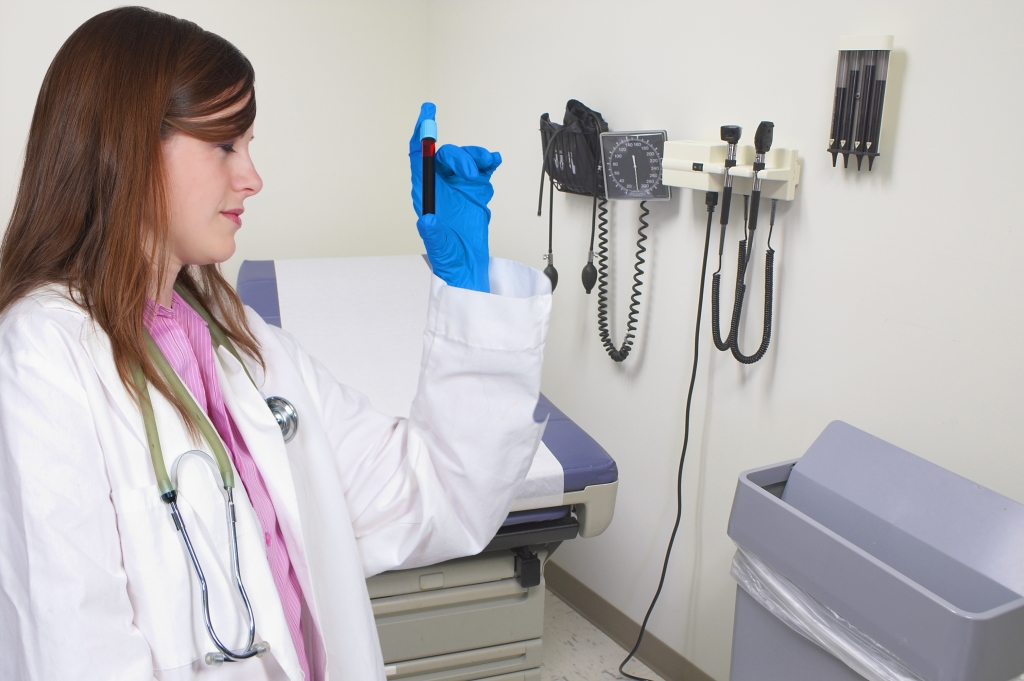
1. *Phlebotomist:* The most obvious career path with a phlebotomy certificate is working as a phlebotomist in hospitals, clinics, diagnostic laboratories, and blood donation centers. Phlebotomists play a vital role in the healthcare system by collecting blood samples, labeling them accurately, and ensuring their safe transport to the laboratory for testing.
2. *Medical Assistant:* Many medical assistant positions require phlebotomy skills, making a phlebotomy certificate a valuable asset in this field. Medical assistants work alongside healthcare providers to perform clinical and administrative duties, including drawing blood, taking vital signs, and assisting with patient care.
3. *Lab Technician:* With additional training and certification, individuals with a phlebotomy certificate can pursue a career as a lab technician. Lab technicians analyze blood samples, perform tests, and assist in diagnosing illnesses and diseases.
4. *Nurse:* Some nursing programs require phlebotomy training as part of their curriculum. A phlebotomy certificate can provide a solid foundation for individuals interested in pursuing a career as a nurse, allowing them to gain hands-on experience in patient care and technical skills.
5. *EKG Technician:* In some healthcare settings, phlebotomists are also trained as EKG technicians to perform electrocardiograms (EKGs) on patients. This dual certification can open up more opportunities for career advancement and specialization.
**Benefits and Practical Tips:**
– **High Demand:** Healthcare providers are constantly in need of skilled phlebotomists to collect blood samples accurately and efficiently. A phlebotomy certificate can make you a valuable asset in the job market.
– **Flexibility:** Phlebotomists can work full-time, part-time, or on a per-diem basis, offering flexibility in work hours and schedules.
– **Career Growth:** With experience and additional certifications, phlebotomists can advance their careers and explore specialized roles in the healthcare field.
**Case Study:**
John, a recent graduate with a phlebotomy certificate, landed a job at a local hospital as a phlebotomist. Within a year, he was promoted to a lead phlebotomist role, where he trained new staff members and managed the phlebotomy team. John’s dedication to his work and commitment to continuous learning allowed him to excel in his career and advance to higher positions within the healthcare organization.
**Conclusion:**
A phlebotomy certificate opens up a world of career opportunities in the healthcare field, from working as a phlebotomist to pursuing advanced roles in lab technology, nursing, and beyond. With a strong foundation in phlebotomy skills and a passion for helping others, individuals with a phlebotomy certificate can embark on a rewarding and fulfilling career in healthcare. If you’re considering a career in phlebotomy, now is the perfect time to explore the possibilities and take the first step towards your future in healthcare.