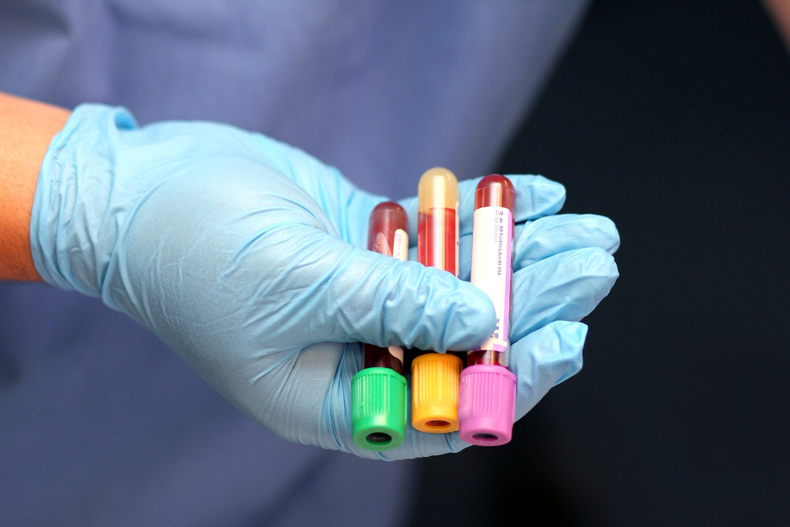
**Title: A Comprehensive Guide to Phlebotomy Interview Questions**
**Introduction:**
If you’re looking to start a career in phlebotomy, one crucial step in the process is the interview. To help you prepare, we’ve compiled a list of common phlebotomy interview questions, along with tips on how to answer them effectively. Whether you’re a seasoned phlebotomist or just starting out, this guide will help you ace your next interview and land your dream job.
**Common Phlebotomy Interview Questions:**
1. **Can you explain your experience with venipuncture and the equipment you’ve used?**
– This question aims to gauge your proficiency with drawing blood and your familiarity with phlebotomy tools such as needles, tubes, and syringes. Be sure to highlight any relevant experience you have and discuss any certifications or training you’ve completed.
2. **How do you ensure patient safety and comfort during blood draws?**
– Demonstrating empathy and a focus on patient care is key in phlebotomy. Discuss protocols you follow to ensure a safe and comfortable experience for patients, such as proper patient identification, hand hygiene, and creating a calming environment.
3. **What steps do you take to handle difficult patients or situations?**
- Phlebotomists often encounter patients who may be anxious or resistant to blood draws. Share your strategies for calming nervous patients, addressing concerns, and handling difficult situations with professionalism and sensitivity.
4. **How do you stay current on best practices and industry regulations in phlebotomy?**
– Employers want to know that you’re committed to ongoing learning and professional development. Talk about any continuing education courses, certifications, or workshops you’ve attended to stay up-to-date on the latest advancements in phlebotomy.
5. **Can you describe a time when you encountered a challenging venipuncture procedure and how you successfully handled it?**
– Use this question to showcase your problem-solving skills and ability to adapt in high-pressure situations. Share a specific example of a difficult blood draw you’ve encountered, explain how you approached the situation, and discuss the outcome.
**Benefits and Practical Tips:**
– Research the company you’re interviewing with to demonstrate your interest and knowledge.
– Practice common interview questions with a mentor or friend to build confidence.
– Dress professionally and arrive early for your interview to make a good impression.
**Conclusion:**
Preparing for a phlebotomy interview can be a nerve-wracking experience, but with the right strategies and practice, you can confidently navigate any questions that come your way. By familiarizing yourself with common phlebotomy interview questions and practicing your responses, you’ll be well-equipped to impress potential employers and secure a fulfilling career in phlebotomy. Good luck!