**Title: Jobs for Phlebotomy Technicians: A Comprehensive Guide to Starting a Career in Healthcare**
**Introduction:**
Are you considering a career as a phlebotomy technician? If you have an interest in healthcare and enjoy working with people, becoming a phlebotomy technician could be a rewarding career choice for you. In this article, we will explore the job responsibilities, requirements, and opportunities for phlebotomy technicians, as well as provide valuable insights and practical tips for those looking to enter this field.
**What is a Phlebotomy Technician?**
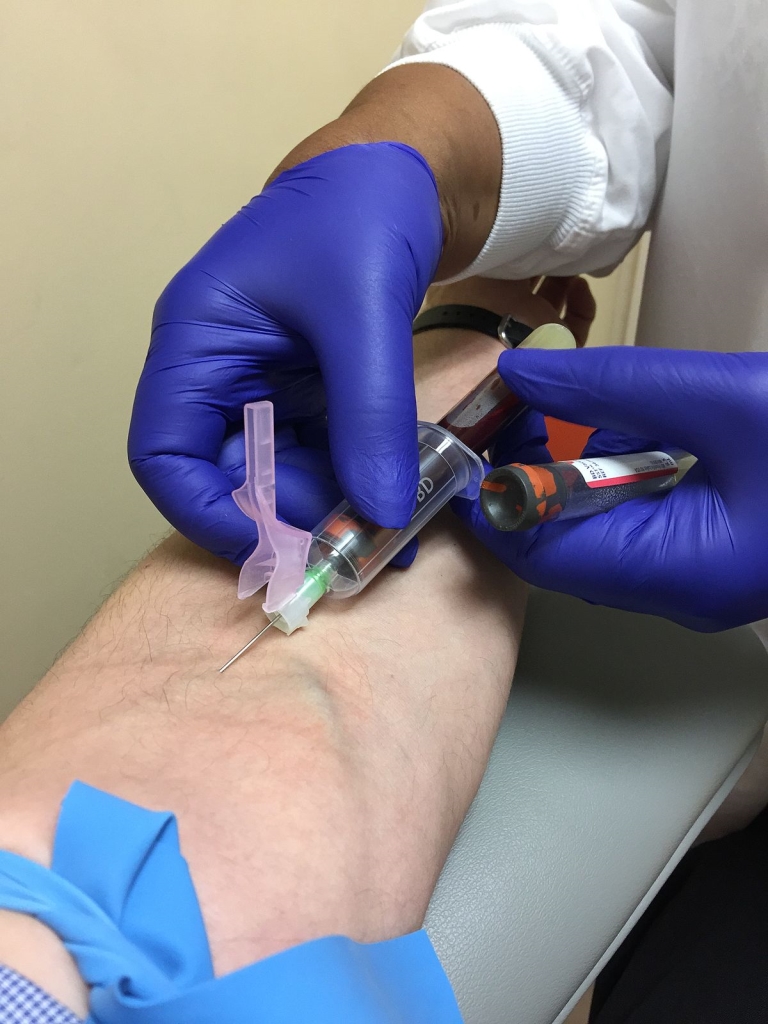
A phlebotomy technician is a healthcare professional responsible for drawing blood samples from patients for medical testing, transfusions, donations, or research purposes. Phlebotomy technicians are trained to perform venipuncture and capillary puncture procedures safely and efficiently, while also ensuring patient comfort and confidentiality.
**Job Responsibilities of a Phlebotomy Technician:**
– Collecting blood samples from patients using venipuncture or capillary puncture techniques
– Labeling and organizing blood samples for processing
– Following established protocols for specimen handling and transportation
- Maintaining a clean and sterile work environment
– Interacting with patients in a professional and compassionate manner
– Calming and reassuring patients who may be anxious about having their blood drawn
– Communicating effectively with healthcare providers and laboratory staff
**Requirements to Become a Phlebotomy Technician:**
To become a phlebotomy technician, individuals typically need to complete a phlebotomy training program and obtain certification from a nationally recognized organization, such as the National Healthcareer Association (NHA) or the American Society for Clinical Pathology (ASCP). Some employers may also require phlebotomy technicians to have a high school diploma or GED.
**Job Opportunities for Phlebotomy Technicians:**
Phlebotomy technicians can find employment in various healthcare settings, including hospitals, clinics, laboratories, blood banks, and research facilities. Some phlebotomy technicians may also work for mobile blood donation units or as independent contractors. The demand for phlebotomy technicians is expected to grow in the coming years, as the healthcare industry continues to expand.
**Benefits of a Career as a Phlebotomy Technician:**
– Job stability and security in a growing field
– Competitive salaries and benefits
– Opportunities for advancement and specialization
– Flexible work schedules and potential for part-time or evening shifts
– Fulfilling work that makes a difference in patients’ lives
**Practical Tips for Success as a Phlebotomy Technician:**
- Develop excellent communication and interpersonal skills
– Practice proper venipuncture and capillary puncture techniques
– Stay up-to-date on industry trends and best practices
– Seek opportunities for continuing education and professional development
– Build a strong professional network within the healthcare community
**Conclusion:**
Becoming a phlebotomy technician can open the door to a rewarding and fulfilling career in healthcare. With the right training, certification, and dedication, you can embark on a successful journey as a phlebotomy technician and make a positive impact on the lives of patients. If you are passionate about helping others and have a keen attention to detail, consider pursuing a career as a phlebotomy technician today. Your future in healthcare starts here!
Remember to always follow safety protocols and ethical guidelines in your work as a phlebotomy technician, and continue to strive for excellence in your practice. Good luck on your journey to becoming a skilled and compassionate healthcare professional!