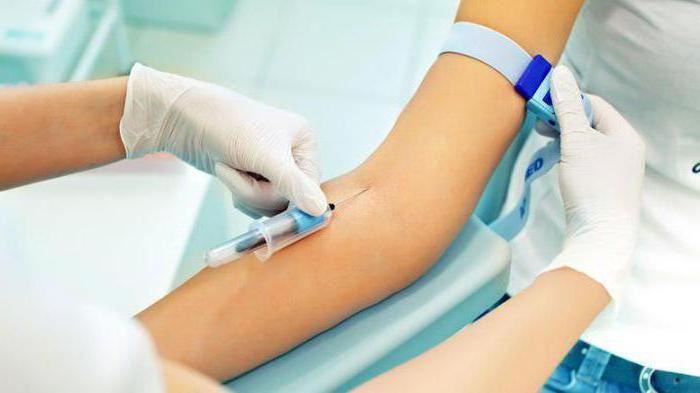
Mastering Venipuncture: Essential Phlebotomy Techniques for Accurate Blood Collection
In the medical field, precise blood collection is paramount. Venipuncture, the process of obtaining intravenous access for drawing blood, is a skill that every phlebotomist must master for effective clinical diagnosis and treatment. This article delves into essential phlebotomy techniques, benefits, and practical tips to ensure accurate blood collection. Whether you’re a seasoned professional or a student entering the field, understanding the nuances of venipuncture is crucial for delivering superior patient care.
Understanding Venipuncture
Venipuncture involves puncturing a vein to collect blood samples. It’s a common procedure used in various medical settings, including hospitals, clinics, and laboratories. Proper technique not only ensures accurate test results but also minimizes discomfort for the patient.
The Importance of Accurate Blood Collection
Accurate blood collection is essential for:
- Diagnosis: Many diseases and conditions are diagnosed through blood tests, making precision critical.
- Monitoring Treatment: Blood tests help monitor the effectiveness of treatments and medications.
- Research: Blood samples are often used in clinical research, requiring high accuracy in collection.
Essential Phlebotomy Techniques for Successful Venipuncture
Mastering venipuncture requires knowledge of various techniques. Here are some key methods:
1. Selecting the Right Site
Choosing the appropriate site for venipuncture is vital. The common sites include:
- Antecubital fossa (elbow crease): Preferred for adult blood draws.
- Wrist and back of the hand: Used for patients with difficult veins.
- Veins in the feet: Generally avoided, but can be used in specific situations.
2. Proper Equipment and Tools
Using the right tools enhances the likelihood of a successful draw. Essential items include:
- Vacutainer or syringe for blood collection.
- Needles (21-23 gauge is commonly used).
- Alcohol pads for skin antisepsis.
- Tourniquet to engorge the vein.
3. Technique for Blood Draw
Follow these steps for effective venipuncture:
- Gather all materials before starting.
- Position the patient comfortably, preferably seated.
- Apply the tourniquet 4-6 inches above the site.
- Palpate for the vein using your index finger.
- Clean the area with an alcohol pad in a circular motion.
- Insert the needle at a 15-30 degree angle, bevel up.
- Once blood flows, collect the sample in the appropriate container.
- Remove the tourniquet, and safely withdraw the needle.
- Apply pressure to the site with a cotton ball.
Benefits of Mastering Venipuncture Techniques
Mastering venipuncture techniques offers numerous benefits:
- Increased Efficiency: Skilled phlebotomists perform blood draws faster, reducing patient wait times.
- Enhanced Patient Comfort: Minimizing pain and discomfort leads to better patient experiences.
- Reduced Complications: Proper techniques decrease the risk of hematomas and infections.
Practical Tips for Successful Venipuncture
Here are some practical tips to further improve your venipuncture skills:
- Practice regularly: Hone your skills with practice on training arms and under supervision.
- Communicate with your patient: Explain the procedure to reduce anxiety and ensure cooperation.
- Stay updated on techniques: Attend workshops and training sessions to keep abreast of best practices.
Case Studies: Venipuncture in Practice
| Case | Patient Group | Technique Used | Outcome |
|---|---|---|---|
| Routine Blood Test | Adults | Standard Venipuncture | Successful draw in 95% of attempts |
| Pediatric Blood Draw | Children | Butterfly Needle | Minimized discomfort and stress |
| Emergency Blood Collection | Trauma Patients | Rapid Venipuncture | Timely diagnosis facilitated |
First-Hand Experience: A Phlebotomist’s Journey
As a phlebotomist for over five years, the art of venipuncture has always fascinated me. My first draw was nerve-wracking, but the patient’s smile afterward made it all worth it. With each stick, I learned more about vein anatomy and patient comfort. I discovered that a warm compress makes a significant difference, helping my patients relax and increasing vein visibility.
Conclusion
Mastering venipuncture is an essential skill for health professionals engaged in blood collection. By understanding the techniques, benefits, and practical tips discussed in this article, you can enhance your skill set and improve outcomes for your patients. With practice, patience, and knowledge, you’ll be on your way to becoming a phlebotomy expert, providing accurate and comfortable blood collection every time.